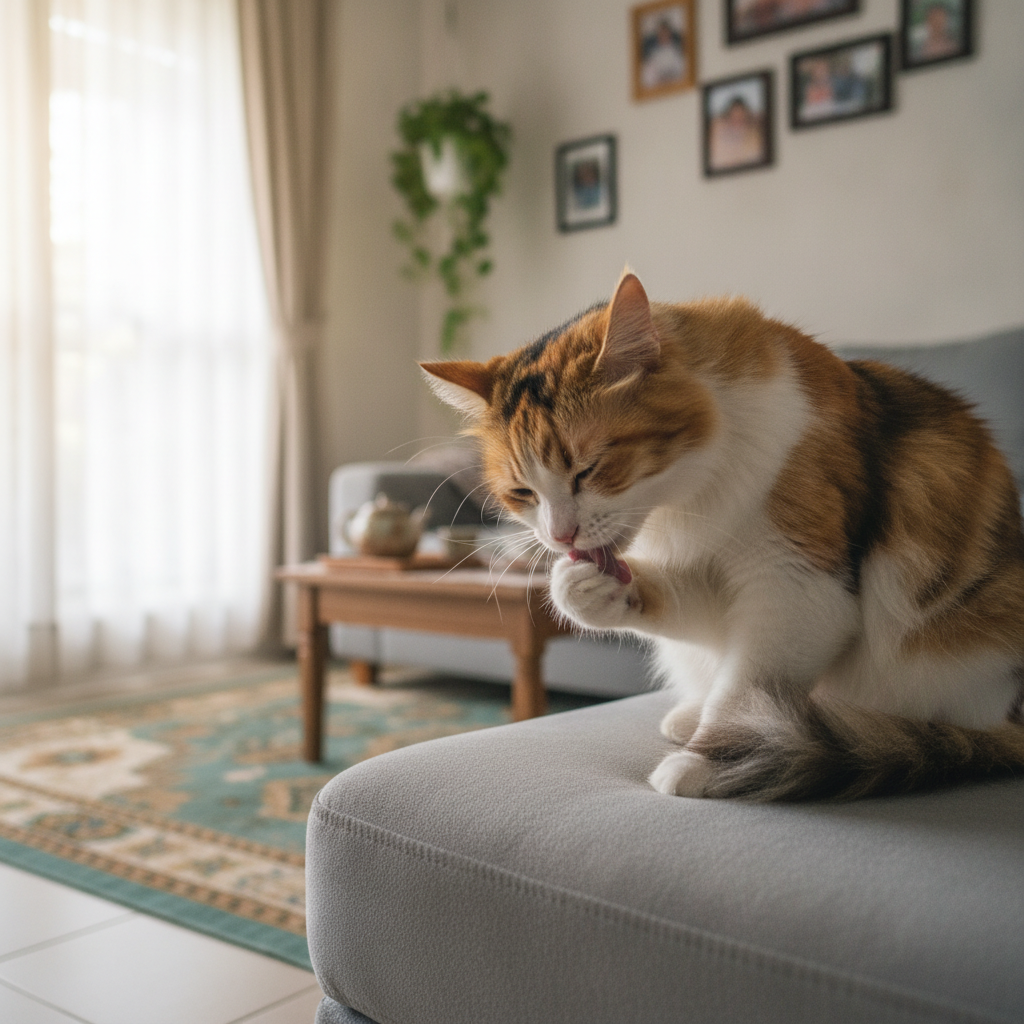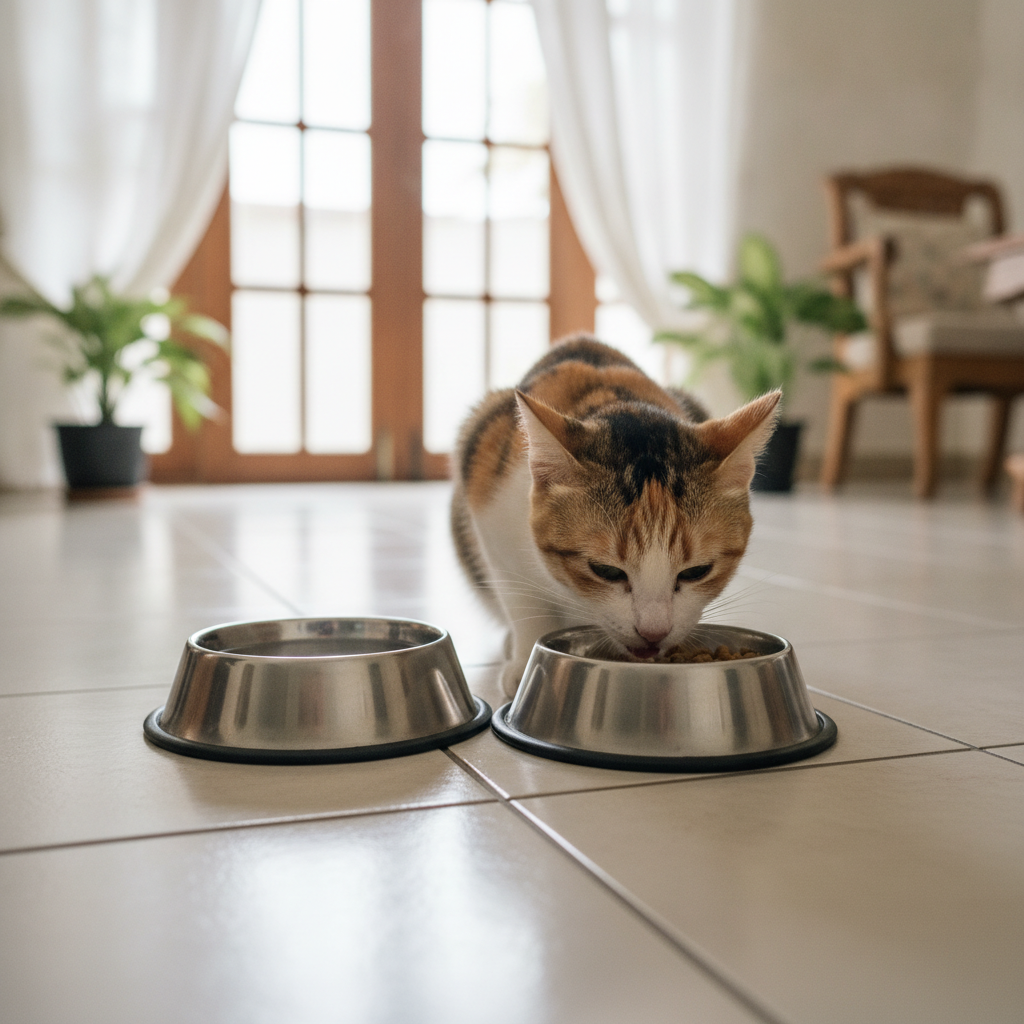
If you've ever stood in the pet aisle in a Malaysian hypermarket squinting at twenty bags of cat food, all shouting "premium" and "natural", you already know how confusing feline nutrition can be. The good news: the fundamentals are actually simple, and once you understand them, every other feeding decision gets easier. This is our hub guide to cat nutrition in Malaysia — the big picture, with links out to the detailed guides for each topic. Think of it as the map; the deeper guides are the streets.
Everything below rests on one biological fact that never changes, so let's start there.
Cats Are Obligate Carnivores — and Why It Changes Everything
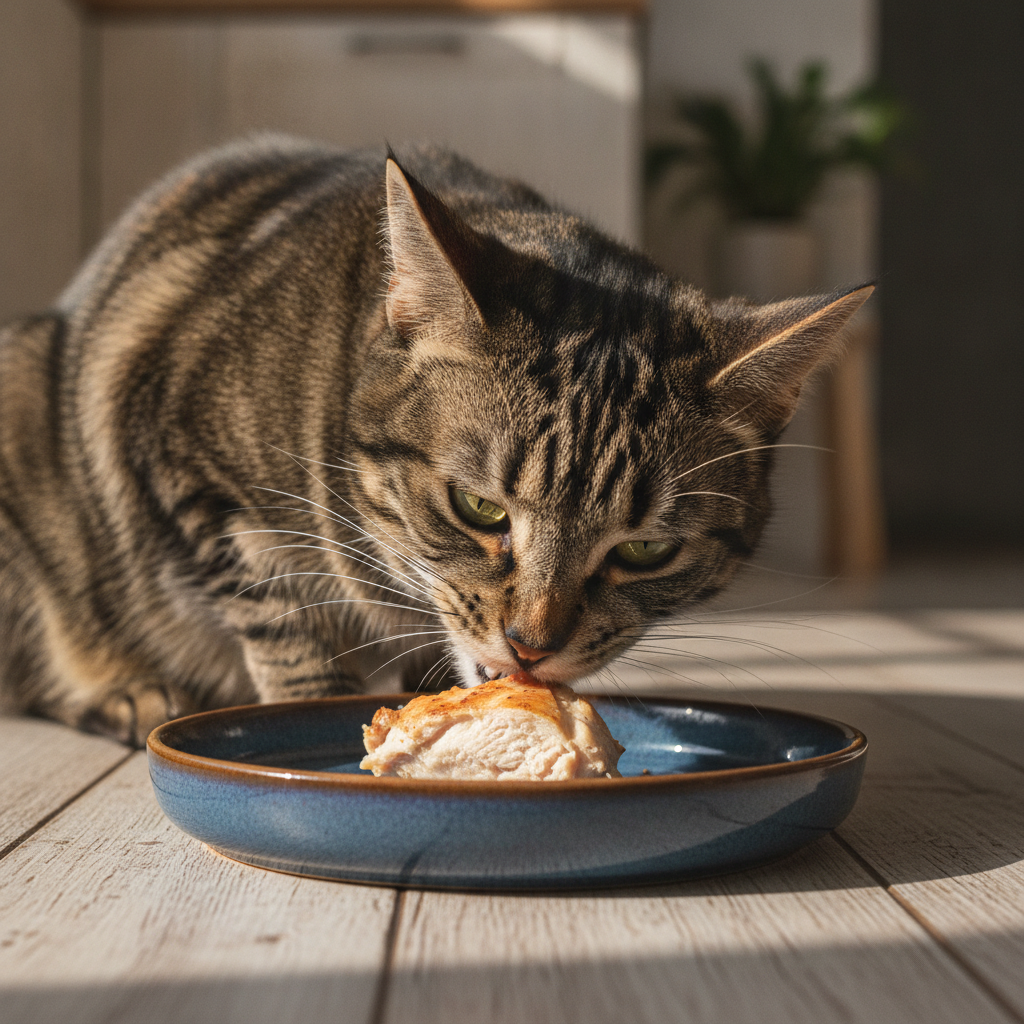
A cat is an obligate carnivore, which means it has evolved to depend on nutrients found only in animal tissue. This isn't a fussy preference — it's hardwired biology inherited from the African wildcat and unchanged by domestication. Unlike dogs or humans, who are omnivores, a cat's liver is permanently set to burn protein for energy through a process called gluconeogenesis. As PetMD explains, if the diet doesn't supply enough animal protein, a cat's body starts breaking down its own muscle to cope. Cats are also poorly equipped to handle carbohydrates: they have no salivary amylase and very low levels of the liver enzymes that process simple sugars.
The practical takeaway is that a cat needs a high-protein, meat-based, moisture-rich diet. Every recommendation in this guide flows from that single principle. It's also why cow's milk is a bad idea and why plant-based diets are dangerous — more on that below.
The Nutrients a Cat Simply Can't Make Itself
Over millions of years as a hunter, the cat lost the ability to manufacture several nutrients that other animals produce internally. It must get these pre-formed, from animal tissue:
- Taurine — an amino acid essential for heart muscle, vision and digestion. A deficiency causes dilated cardiomyopathy (a serious heart disease) and irreversible blindness.
- Arginine — needed to clear ammonia produced during protein breakdown. The Merck Veterinary Manual notes cats are so sensitive that a single arginine-deficient meal can cause a toxic ammonia spike, leading to neurological signs and even death.
- Pre-formed Vitamin A — cats can't convert beta-carotene from plants into active Vitamin A, so they need it from animal sources like liver.
- Arachidonic acid — an essential fatty acid for skin, coat and inflammation control that cats can only get from animal fat.
This is precisely why pet food regulators set minimum levels for these nutrients. Here are the AAFCO dry-matter minimums:
| Nutrient | Growth (Kittens) | Adult Maintenance |
|---|---|---|
| Taurine (dry food) | 0.10% | 0.10% |
| Taurine (wet food) | 0.20% | 0.20% |
| Arginine | 1.25% | 1.04% |
| Pre-formed Vitamin A | 9,000 IU/kg | 5,000 IU/kg |
Wet food needs more taurine on the label because heat processing reduces its availability. You don't need to memorise these — you just need food that meets them, which the label will tell you (see the label section below).
How Much to Feed: Calories and Portions by Life Stage
Daily calories depend on weight, age and whether your cat is neutered. Vets use a two-step formula: Resting Energy Requirement (RER = 70 × body-weight-in-kg0.75) multiplied by a life-stage factor. A 4.5 kg neutered adult, for example, needs roughly 250 kcal a day. Growing kittens need far more per kilo; older and neutered cats need less.
| Body weight | Kitten (<4 mo) | Neutered adult | Active intact adult |
|---|---|---|---|
| 2.3 kg | ~325 kcal | ~156 kcal | ~182 kcal |
| 3.6 kg | ~460 kcal | ~221 kcal | ~258 kcal |
| 4.5 kg | ~528 kcal | ~253 kcal | ~295 kcal |
On frequency, the Cornell Feline Health Center suggests kittens eat three to four small meals a day, adults do well on two, and seniors may prefer two to three smaller ones. The detail for each life stage lives in its own guide: see our kitten feeding guide by age, the adult portion guide, and senior cat nutrition. To put a number on your own cat, use our cat food calculator.
Wet, Dry, or Mixed? The Hydration Question
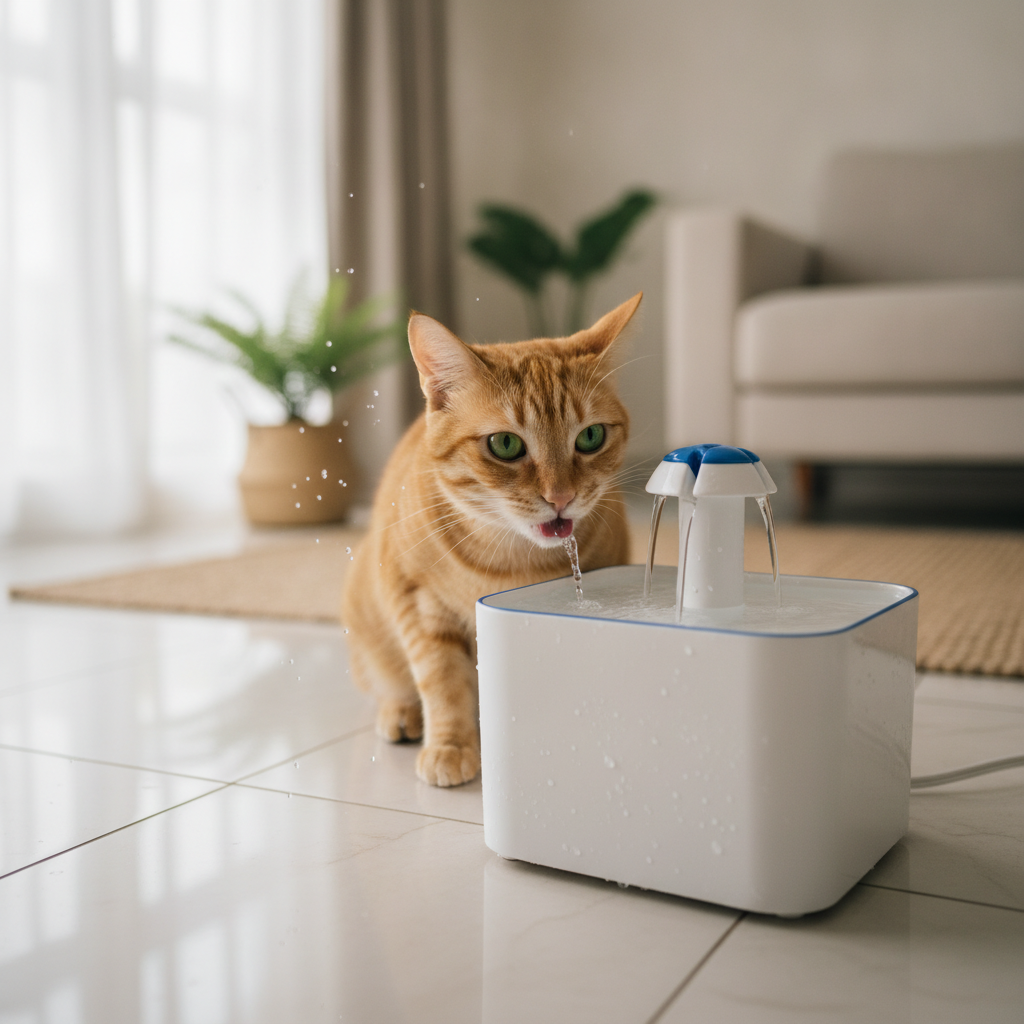
This is the debate every cat owner runs into. The short version: wet food carries 70–85% moisture, dry kibble only 6–12%. Because cats descend from desert animals with a famously low thirst drive, they're built to get water from food, not the bowl. An all-dry diet leaves many cats in chronic low-level dehydration — a known risk factor for urinary tract disease and kidney problems. Dry food also carries more carbohydrate (25–35%+) than a cat's metabolism handles well, and the old "kibble cleans teeth" claim is largely a myth for standard dry food.
Dry food isn't evil — it's convenient and economical, and many cats thrive on a mixed approach: wet food for hydration and protein, some dry for grazing and cost. We weigh it all up in our dry vs wet cat food guide, and you can check whether your cat is drinking enough with the hydration calculator and our hydration tips.
Reading the Label: What Complete and Balanced Really Means
The single most useful line on any cat food bag is the nutritional adequacy statement. "Complete and balanced" is a regulated term: per AAFCO, "complete" means the food has every nutrient a cat needs and "balanced" means in the right ratios for a stated life stage. A label either says the food is "formulated to meet" AAFCO profiles (verified by analysis) or that "animal feeding tests" substantiate it (verified by actually feeding cats for at least 26 weeks) — the feeding-trial version is the stronger proof.
Beyond that statement, marketing words like "premium", "holistic" and "natural" have little legal meaning. Learning to read past them is a skill — we break down the label line by line in how to read cat food labels and expose the marketing tricks in decoding cat food ingredient scams. When you're ready to actually pick a food, our how to choose the best cat food guide and the food ingredient checker walk you through it.
The Diets That Quietly Put Cats at Risk
Two well-meaning choices cause the most harm. The first is vegetarian or vegan diets. Because cats can't get taurine, arachidonic acid or pre-formed Vitamin A from plants in usable amounts, a meat-free diet risks heart disease, blindness and — by shifting urine chemistry toward alkaline — dangerous urinary crystals and blockages. Veterinary nutrition bodies are clear that plant-based diets are physiologically inappropriate for cats.
The second is an exclusively dry diet, covered above, with its dehydration and carbohydrate load. Other common slip-ups include free-feeding a full bowl of kibble (a fast track to obesity) and ignoring water intake. If you're curious about raw feeding, read our balanced raw feeding safety guide first, keep the list of toxic human foods handy, and if your cat has digestive trouble see cat food allergies and sensitive stomachs.
Your Cat's Health Shows Up in the Litter Box
You don't need a lab to monitor feline nutrition — your cat gives you a daily report through its body and its litter tray. Run two quick checks. The Body Condition Score: per VCA Hospitals and the WSAVA chart, you should be able to feel the ribs under a thin layer of fat and see a waist from above. And the coat: a well-fed cat's fur is shiny and smooth, not dull or flaky.
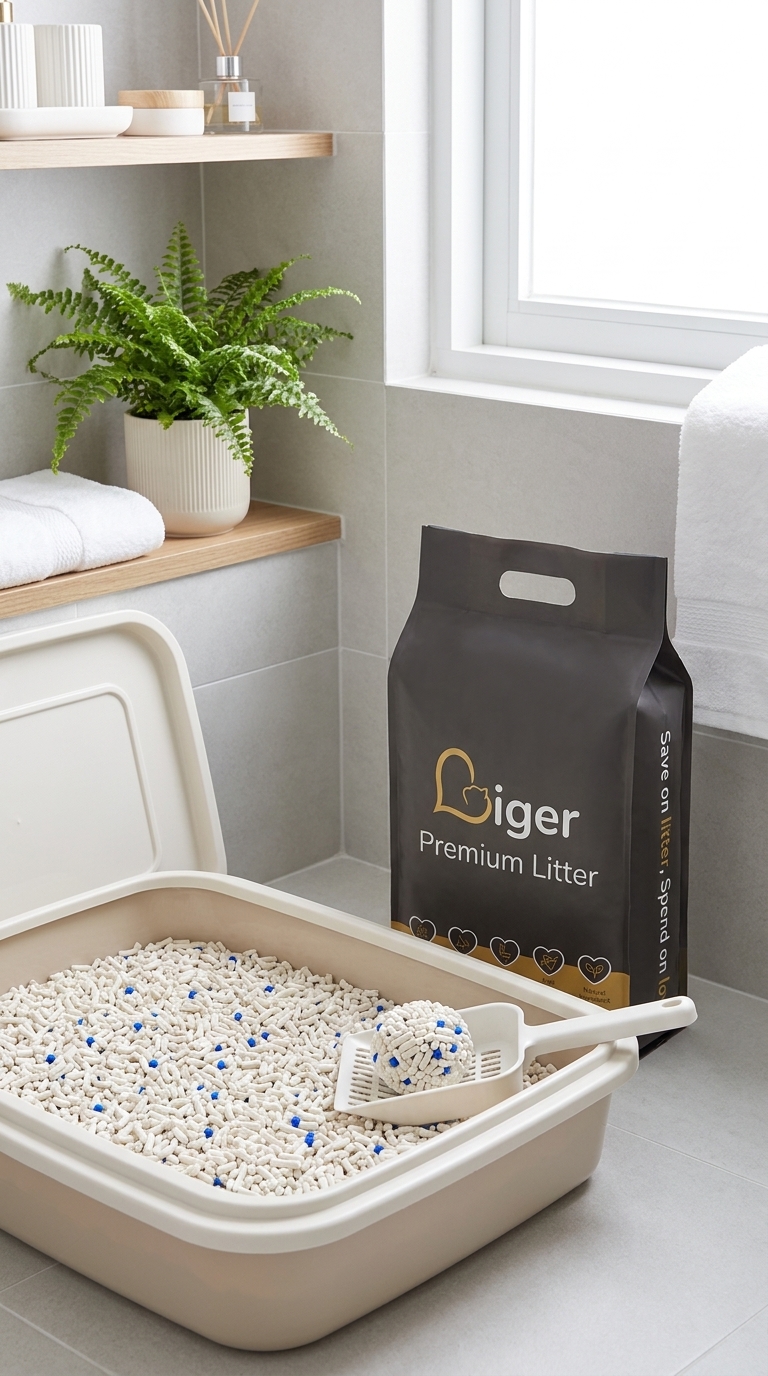
Then there's the litter box, which is honestly the most underrated diagnostic tool a cat owner has. Healthy stool is firm, sausage-shaped and dark brown; loose or watery stool, or anything black/tarry or bloody, means a vet visit. Healthy urine is clear, pale yellow; dark urine suggests dehydration, while cloudy or pink urine is an urgent red flag. The catch is you can only read these signs if your litter actually lets you see them. A low-dust, firmly clumping litter like Liger Premium Tofu Cat Litter makes monitoring easy: it locks each deposit into a clean clump you can spot and scoop, traps odour rather than masking it, and throws off very little dust — which matters in a sealed, air-conditioned Malaysian home. Made from natural plant starch, it's also flushable and Halal-friendly. A 2 kg pack is RM21.90, dropping to RM8.45/kg on the 10-pack (free shipping in Peninsular Malaysia, current pricing as of 2026) — work out your household's usage with the litter calculator.
Feeding Cats in Malaysia's Heat and Humidity
Our climate adds two wrinkles. First, hydration: in constant heat, a cat's water needs (roughly 50–70 ml per kg a day) are easy to miss given that low thirst drive. Lean on wet food, run a water fountain, and keep several clean bowls around the house away from food and the litter box. Second, storage: heat and humidity turn dry kibble stale and rancid fast and invite pests, so keep it sealed in an airtight container in a cool, dark spot, not in the open bag.
On availability, you have plenty of complete-and-balanced options locally. AAFCO-certified local brands such as Powercat exist alongside affordable Halal-certified options like MISHA and ProDiet, and international ranges (Royal Canin, Hill's Science Diet, Fussie Cat and others) are widely stocked — what matters is the adequacy statement on the label, not the marketing on the front. Whichever you choose, match it to your cat's life stage, prioritise moisture, watch the body condition and litter box, and check in with your vet for anything unusual. Get those fundamentals right and the twenty confusing bags in the pet aisle suddenly sort themselves into "meets my cat's needs" and "doesn't".