Cats are living longer than ever, and a well-cared-for cat in Malaysia can easily reach 15, 18, even 20. But the senior years bring a real shift in what your cat needs on the plate — and some of the old advice (like "cut the protein") turns out to be exactly wrong. This guide covers how to feed an ageing cat, the kidney disease that shadows this life stage, and the simplest early-warning sign you can watch at home. For the broader fundamentals, start with our cat nutrition hub; this is the senior-specific chapter.
When Is a Cat Considered Senior?
Vets split the later years into two stages: senior from 11 to 14 years, and geriatric at 15 and beyond. These aren't arbitrary — they mark real changes in metabolism, digestion and disease risk. A useful habit is to translate your cat's age into "human years" with our cat age calculator so you can picture the life stage properly: an 11-year-old cat is roughly a 60-year-old human, and the care mindset should shift accordingly — more frequent vet checks, closer attention to weight, and diet tweaks that match an ageing body.
The Surprise: Older Cats Need More Protein, Not Less
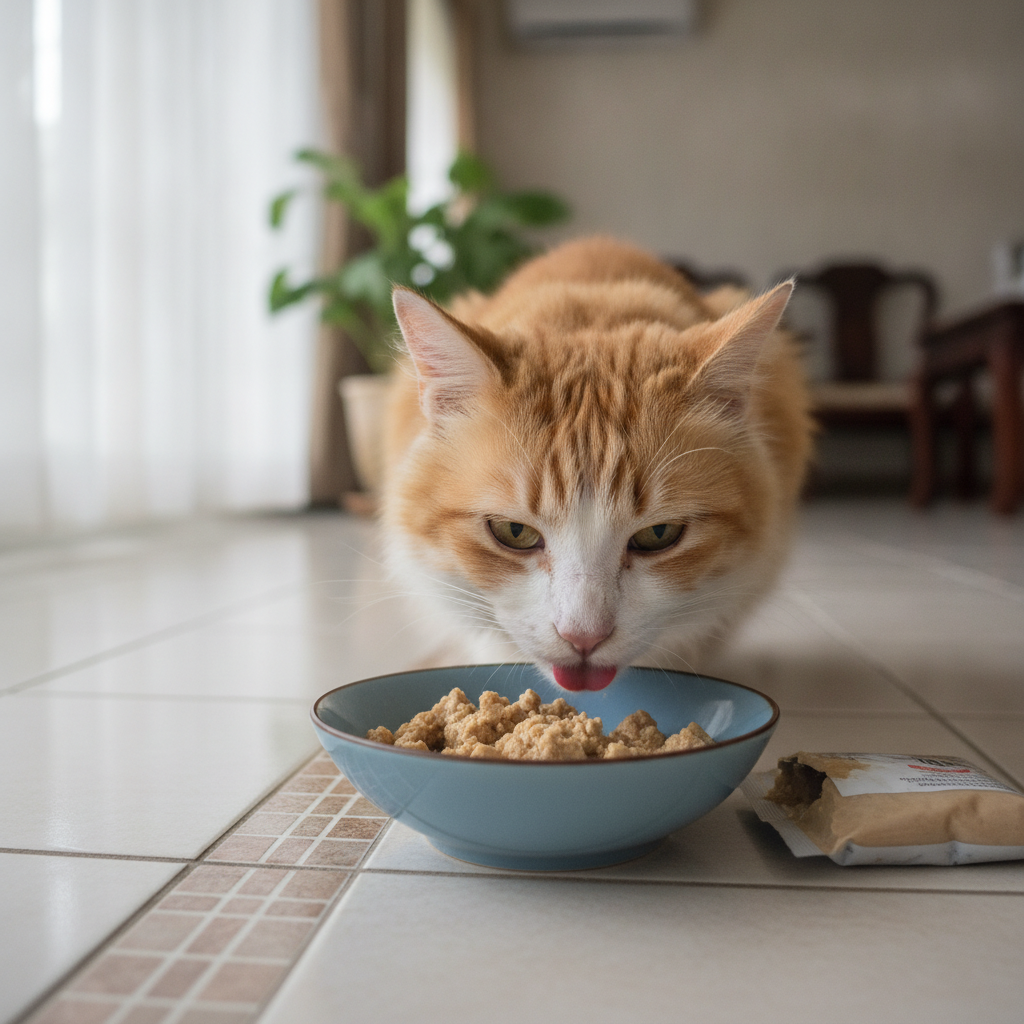
For decades, owners were told to feed senior cats less protein to "protect the kidneys". For a healthy cat, that advice is now considered actively harmful. Ageing cats lose lean muscle mass — a process called sarcopenia — and protein is what defends against it. The stakes are real: one study found that every 100 g of lean body mass lost raised an ageing cat's risk of death by 20%.
So a healthy senior actually needs more high-quality, digestible protein than a young adult — roughly 5–6 grams per kilogram of body weight daily — partly because older guts digest protein less efficiently (around 1 in 5 geriatric cats absorb protein poorly). The only major exception is a cat with diagnosed kidney disease, where protein is moderated under veterinary guidance (covered below). For everyone else, lean meat-based protein is a senior cat's friend, not its enemy.
One catch makes this tricky to judge by eye: a cat can lose serious muscle while still looking a normal weight, because fat mass hides it — a state vets call "sarcopenic obesity". So the bathroom scale alone can mislead. Vets use a hands-on Muscle Condition Score, feeling along the spine, shoulder blades and hips, to assess muscle separately from fat. It's worth asking your vet to show you how, so you can spot muscle loss at home before it becomes frailty.
Energy, Weight and the Underweight Risk
Here's another reversal. Middle-aged cats tend to gain weight, but after about 11 the trend flips and many struggle to keep weight on. Energy needs actually rise in geriatric cats — some need up to 70 kcal per kg of ideal body weight, well above a younger adult — while appetite and nutrient absorption decline. The result: after 14, cats are around 15 times more likely to be underweight. Weigh your senior regularly (the cat weight calculator helps track the trend), and treat unexplained weight loss as a reason to see the vet, not a normal part of ageing. Steady weight loss can begin up to three years before a disease like kidney failure is formally diagnosed.
Chronic Kidney Disease: The Senior Cat's Biggest Threat
Chronic kidney disease (CKD) is the defining health concern of older cats. Its prevalence climbs steeply with age: it affects an estimated 20–50% of cats over 10, and up to 80% of cats over 15. In Malaysia, vets estimate roughly one in three cats will develop some form of kidney disease in their lifetime, and a local study found 89% of diagnosed cats were over seven years old.
The cruel part is how silently it progresses. The kidneys lose the ability to concentrate urine, so the earliest signs are increased thirst and increased urination — but these usually don't appear until around 70–75% of kidney function is already gone. That's why the Cornell Feline Health Center and International Cat Care both push regular wellness screening for senior cats — a blood marker called SDMA can flag trouble when only ~40% of function is lost, far earlier than the older creatinine test. If your cat is drinking and peeing more, don't wait; check our guide to whether your cat is drinking enough and book a vet visit.
Feeding a Cat with Kidney Disease
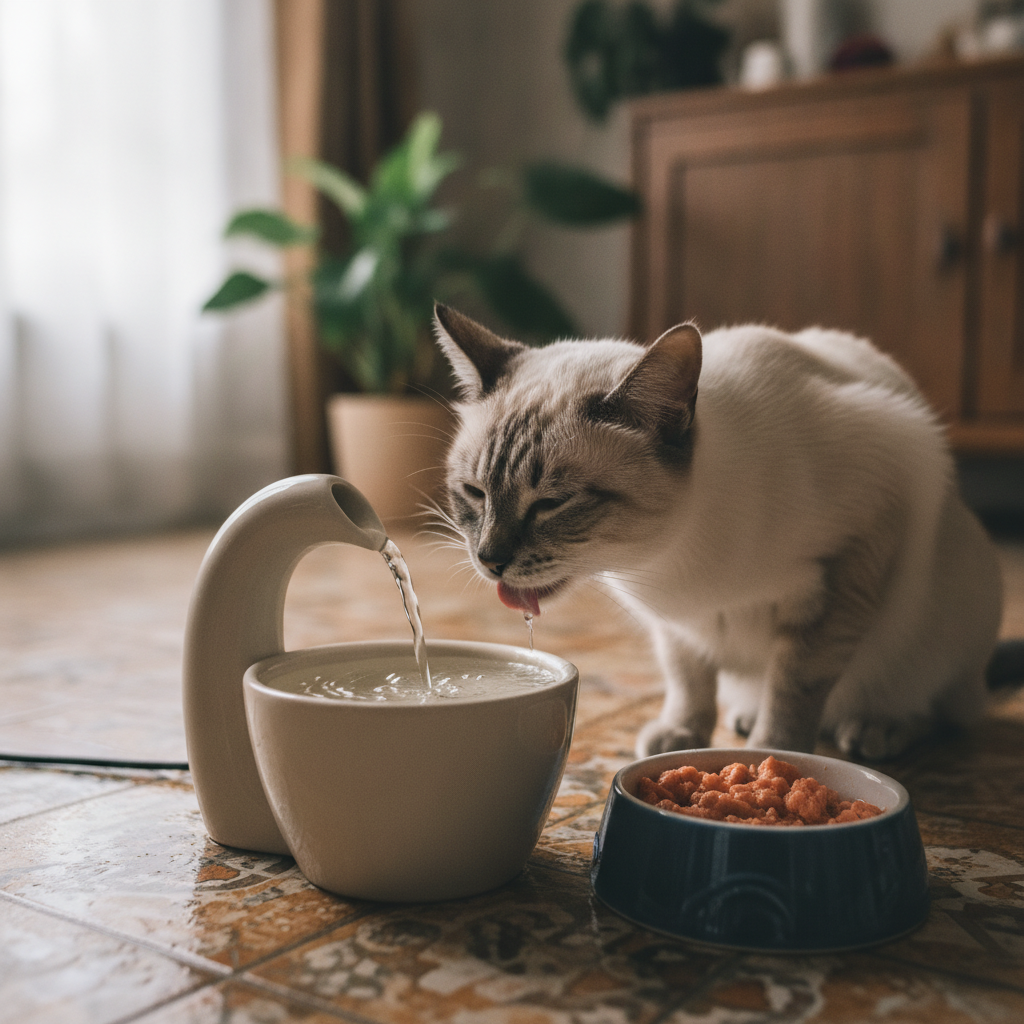
If CKD is diagnosed, nutrition becomes the single most powerful treatment you have. Cats on a proper therapeutic renal diet live, on average, two to three times longer than those kept on standard food. These prescription diets (available only through your vet) work through a precise recipe:
- Controlled phosphorus — the single most important change; damaged kidneys can't clear phosphorus, and high blood phosphorus speeds the decline. The International Renal Interest Society (IRIS) sets phosphate targets by disease stage.
- Moderate, high-quality protein — enough to preserve muscle, but high-grade so it produces less waste for the kidneys to filter. Not the severe restriction of the old days.
- Added omega-3s (EPA and DHA) to calm kidney inflammation, plus extra potassium, which CKD cats lose through all that urination.
And above all, hydration. As CKD cats produce large volumes of dilute urine, they teeter on the edge of dehydration. Wet therapeutic food (75–80% moisture versus 8–10% in kibble) is one of the best tools to keep water going in — our hydration tips add practical ways to boost intake. As VCA Hospitals explains, the goal of every part of this diet is to ease the kidneys' workload and slow the disease. Choosing any prescription diet should be a conversation with your vet; our how to choose cat food guide explains the label literacy behind it.
Dental Pain and the Fussy Senior Eater
If an older cat suddenly turns its nose up at food, the cause is more often a sore mouth than fussiness. As many as 70% of cats over five show signs of dental disease, and the pain shows up as subtle clues: chewing on one side, dropping kibble, approaching the bowl then backing off, or preferring soft food. As Cornell notes, reluctance to eat in an older cat is more likely dental discomfort than age itself. Get the mouth checked by a vet, and in the meantime make meals easier: offer wet pâté or moisten the kibble, warm food slightly to lift the aroma (a senior's sense of smell fades), and serve smaller, more frequent meals. PetMD notes that even small changes like these can be the difference between a senior cat that eats well and one that quietly slides into weight loss — and in an older cat, going off food for even a day or two is a genuine red flag, not something to wait out.
Watch the Litter Box: Your Early-Warning System
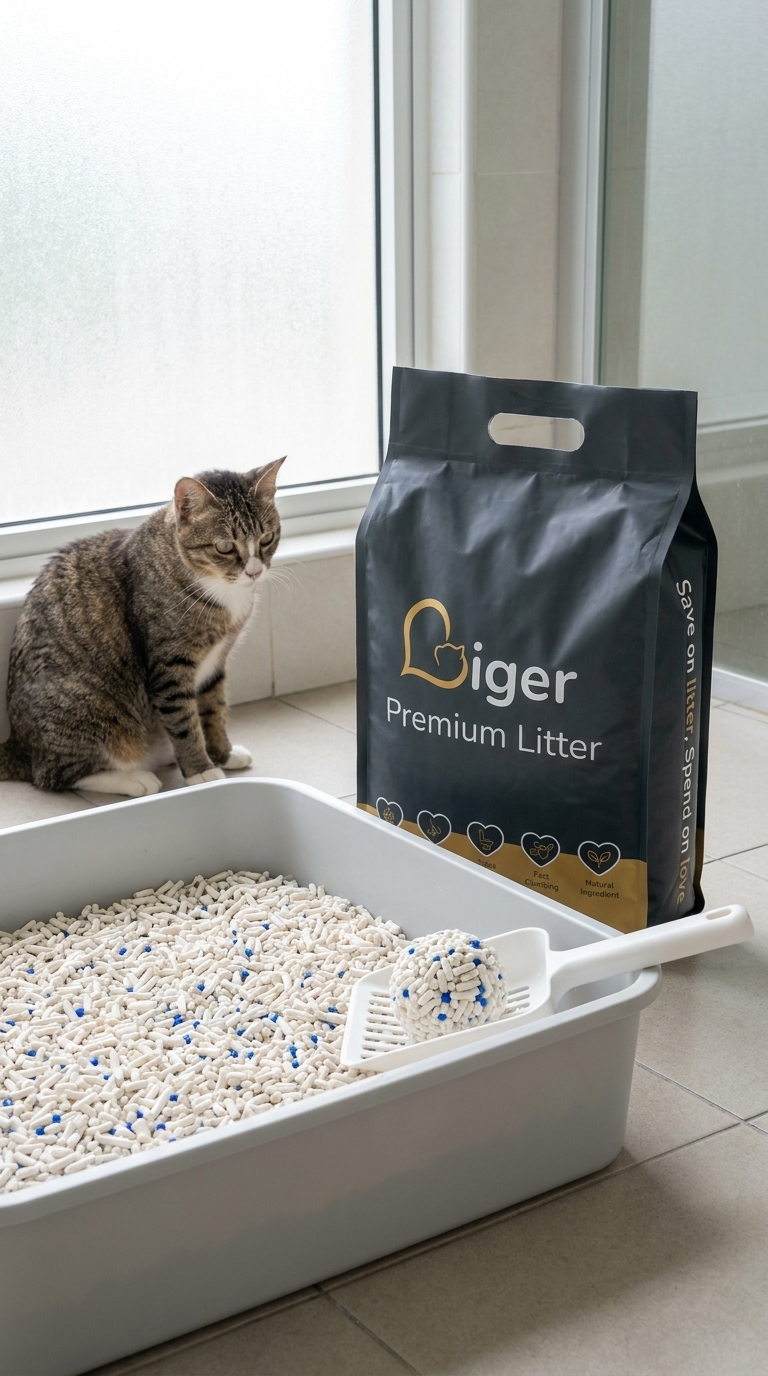
This is the most practical habit in the whole guide. Because the first detectable sign of kidney disease is more urine, your litter box is a frontline screening tool — owners often first notice that the urine clumps are bigger and more frequent than they used to be. But you can only spot that change if your litter forms clean, distinct clumps you can actually count and compare. A firmly clumping, low-dust litter like Liger Premium Tofu Cat Litter is genuinely useful here: each pee locks into a solid, scoopable clump, so a creeping increase in size or number jumps out at you weeks earlier than you'd otherwise notice — and in a disease where early detection multiplies lifespan, weeks matter. Its natural plant-starch formula also keeps dust low, which is kinder to an older cat's respiratory system. If you spot the change, run the urinary health checker and call your vet. A 2 kg pack is RM21.90, or RM8.45/kg on the 10-pack with free Peninsular shipping (current pricing as of 2026); size your supply with the litter calculator.
Feeding Senior Cats in Malaysia
A practical word on cost, because it's real. Managing CKD here isn't cheap — initial diagnostics run around RM300–800, and first-year costs can range from roughly RM3,960 to over RM10,000 depending on the stage. That's exactly why early detection matters so much: a cat caught at IRIS Stage 2 may have two to three good years ahead, while one caught at Stage 4 often has months. Our hot, humid climate raises the stakes on hydration too: a senior cat already prone to dehydration loses water faster in the heat, so keeping moisture-rich food and several fresh water sources around the home matters even more here than in cooler countries. The cheapest, most powerful intervention is the free one — watching the water bowl and the litter box, weighing your cat, and getting senior wellness bloods done yearly (twice yearly past 15). Feed a healthy senior a complete, protein-rich diet leaning on moisture; feed a CKD cat exactly what your vet prescribes; and let the litter box keep telling you how the kidneys are doing. For day-to-day amounts, our portion guide rounds it out.