- Malaysia's tropical climate (30°C, 80% humidity) drastically accelerates bacterial growth and ammonia off-gassing, requiring a more frequent cleaning schedule than in temperate zones.
- Scooping at least twice daily is essential, and full litter changes are needed every 1-7 days depending on litter type and climate conditions to prevent mold and high ammonia levels.
- Litter boxes are vital health dashboards; monitoring changes in urine/stool can detect serious conditions like FLUTD or kidney disease early.
- Silica gel litter offers superior performance in high humidity, while organic litters like tofu need extra care to prevent mold and clumping degradation.
- Implementing environmental controls like dehumidifiers and ensuring good ventilation are crucial for odor control and hygiene in Malaysian homes.
A clean litter box is more than just a convenience; it’s a non-negotiable part of being a responsible cat parent. For our feline friends, a pristine toilet area is key to their comfort and behavioral well-being, preventing stress and accidents outside the box. For us humans, it means a fresh-smelling home and protection against certain health risks. But here in Malaysia, with our warm 30°C temperatures and often humid 80%+ air, maintaining that pristine state is a unique challenge. Our tropical climate doesn't just feel different; it fundamentally changes how quickly a litter box can become a breeding ground for bacteria, mold, and strong odors.
Many cleaning schedules you find online are designed for cooler, drier climates. They might suggest a full litter change once a month, which frankly, in Malaysia, is a recipe for disaster. We've all been there, pushing it a little too long, only to be hit by that sharp ammonia smell or discovering an unexpected patch of mold. This isn’t just unpleasant; it’s a health concern. This guide is built by cat parents, for cat parents in Malaysia, providing a complete, climate-adjusted cleaning schedule for every litter type, from daily scooping to deep monthly cleans, ensuring your home stays fresh and your beloved cat stays healthy.
Why a Consistent Litter Box Cleaning Schedule Matters
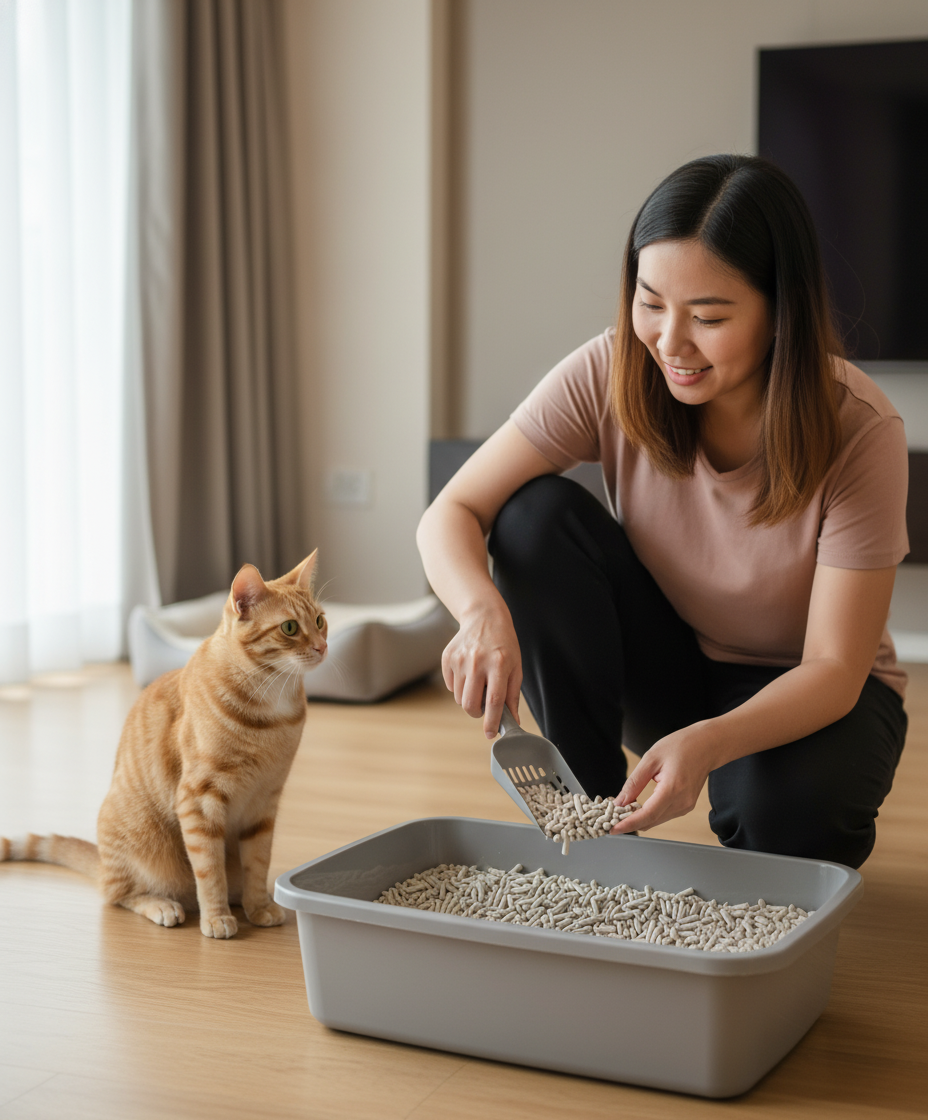
Maintaining a regular litter box cleaning schedule is paramount, directly impacting your cat's health and the hygiene of your home. In Malaysia's climate, this necessity is magnified due to accelerated microbial activity. Neglecting the litter box can quickly lead to an unhealthy environment, fostering issues from respiratory irritation to mold exposure.
Your Cat's Health and Hygiene
Cats are naturally fastidious creatures. An unclean litter box can cause significant stress, leading to behavioral issues like urinating or defecating outside the box. More critically, a dirty litter box is a hotbed for bacteria and parasites. Ammonia fumes, which build up quickly, can irritate your cat's delicate respiratory system, making them more susceptible to infections. Parasites like *Toxoplasma gondii*, shed in cat feces, can also pose a risk, particularly to pregnant individuals, as its oocysts can become infectious incredibly fast in our tropical environment, sometimes in just 12 to 24 hours, according to the CDC - Toxoplasmosis and Pregnancy.
Why Malaysia's Climate Demands More Frequent Cleaning
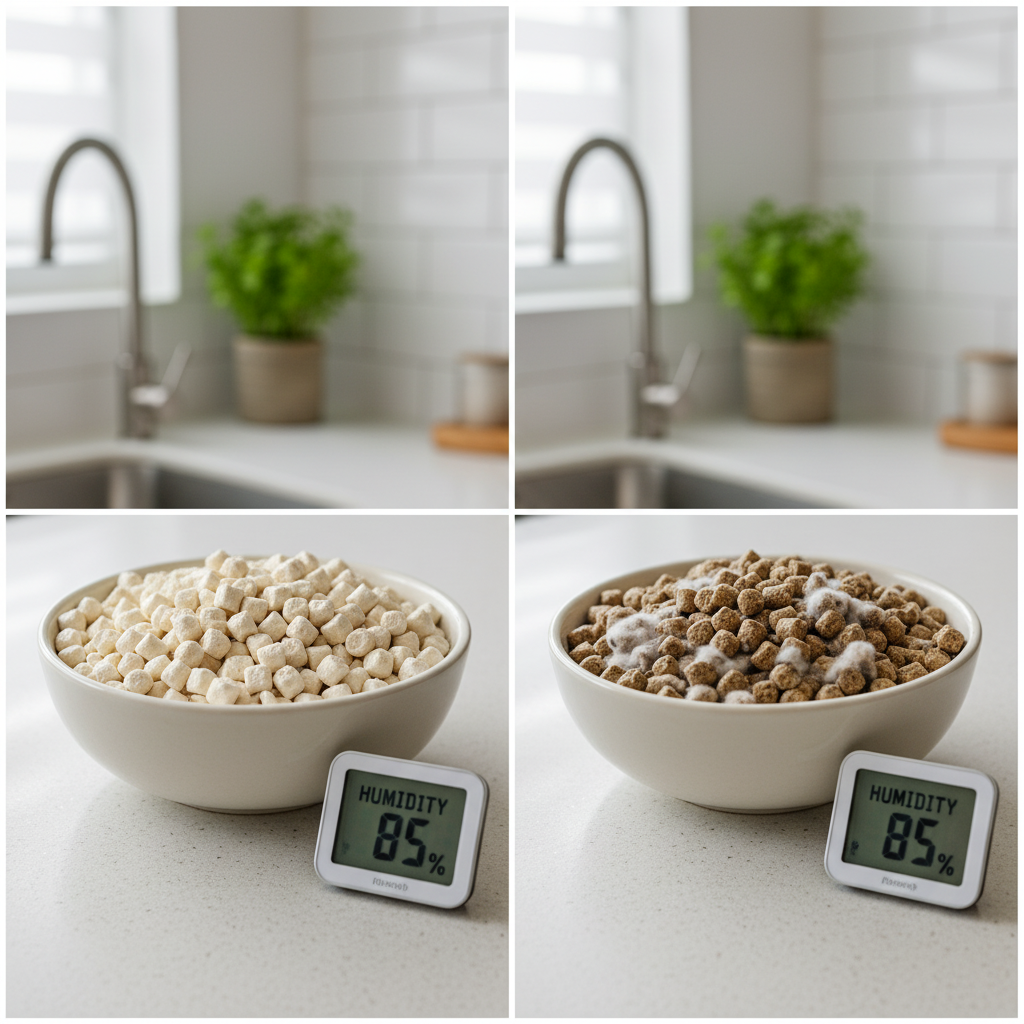
Forget what standard guides say about monthly changes. Malaysia’s average 30°C temperature and 80%+ humidity create an ideal environment for biological processes to speed up. Bacteria like *E. coli* can proliferate rapidly in such conditions, with a doubling time as short as 20 minutes in favorable environments, as highlighted by YCM Group - Organic Cat Litter and Disease. This means a soiled litter box becomes a petri dish much faster than in a temperate climate. Also, urease-producing bacteria, which convert urea in cat urine into ammonia gas, thrive in moisture. Higher humidity means faster conversion, leading to more intense, unpleasant odors. For organic litters, the risk of mold growth is particularly high, with visible colonies sometimes appearing within seven days in high-humidity lab simulations, warns Dial-a-Vet: Mold in Cat Litter Box. This accelerated degradation not only makes the box smell awful but can also expose your cat to harmful mycotoxins.
It's a relentless cycle, and it's why we, as cat parents in Malaysia, need to be extra vigilant.
The Complete Litter Box Cleaning Schedule
Adopting a structured cleaning routine is your best defense against the tropical climate's challenges. This isn't just about scooping; it's about a holistic approach to maintaining a hygienic environment, from daily waste removal to periodic deep cleans. It might sound intense, but trust me, your nose and your cat will thank you.
Daily Tasks (Every Day, No Exceptions)
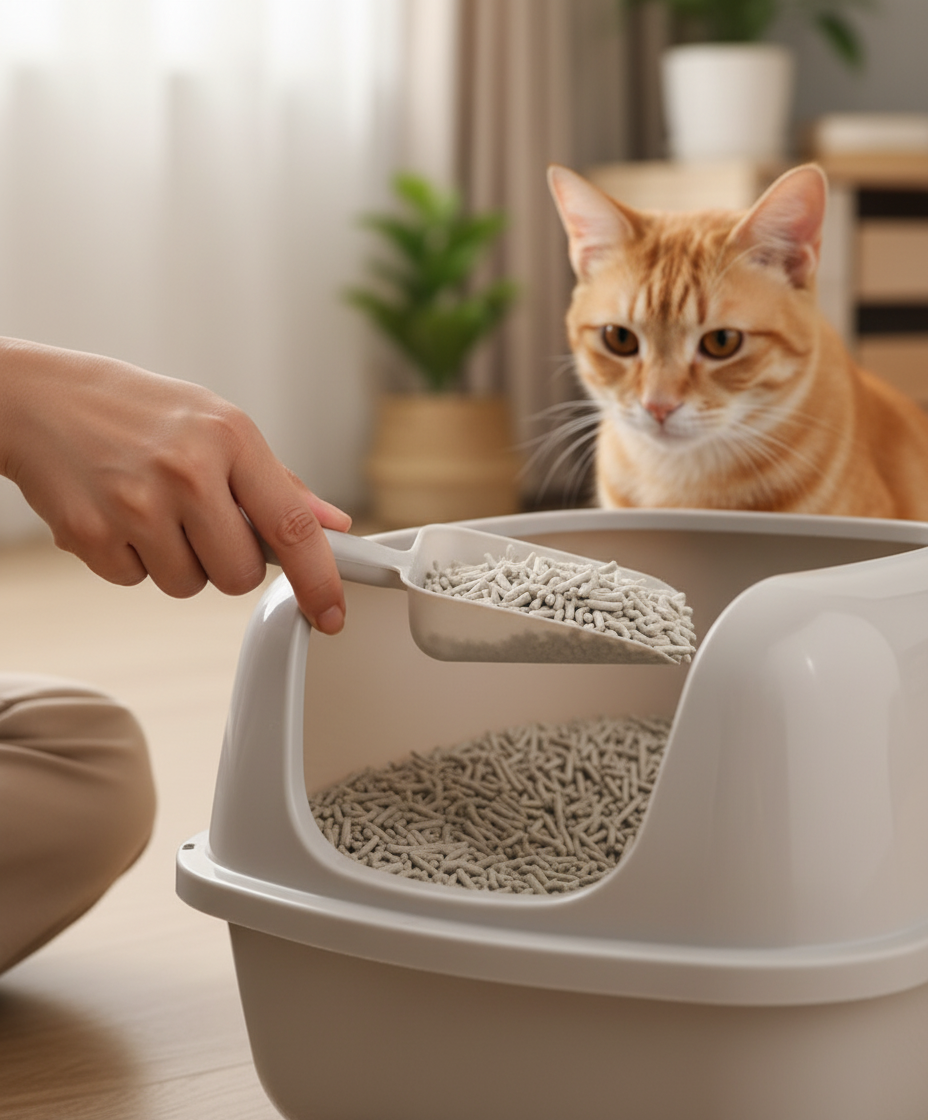
In Malaysia, daily tasks are crucial, not optional. You really need to scoop your cat's litter box at least twice a day. Why twice? Because our warm, humid air speeds up the breakdown of waste. Removing urine clumps and feces promptly prevents the rapid build-up of ammonia and limits the spread of bacteria and parasites. It also helps preserve the integrity of your litter, especially clumping types, as less prolonged moisture means better clump formation. This simple act dramatically reduces odor and keeps the box inviting for your cat.
Weekly Tasks
Beyond daily scooping, a weekly refresh is vital, especially with organic litters or if you have multiple cats. This involves a partial or full litter replacement, depending on the litter type (more on this below). When replacing, give the box a quick wipe down with a pet-safe cleaner or mild, unscented soap and hot water. While a full wash might be saved for monthly, this weekly wipe helps remove any lingering residues or odor-causing films on the box's surface. Also, take a moment to check the box for any cracks or deep scratches, as these can harbor bacteria and make cleaning harder.
Monthly Deep Clean
Even with diligent weekly maintenance, a full deep clean is essential once a month. This means emptying all the litter, scrubbing the box thoroughly with mild, unscented soap and hot water. Avoid harsh chemicals or strong fragrances, which can deter your cat. Once cleaned, dry the box completely. Any lingering moisture will immediately encourage bacterial and mold growth. As a bonus, you can sprinkle a thin layer of baking soda at the bottom of the clean, dry box before refilling with fresh litter; it’s a natural deodorizer that helps absorb odors throughout the month.
Quarterly Tasks
Plastic litter boxes, over time, accumulate microscopic scratches from scooping and cleaning. These tiny grooves become perfect breeding grounds for bacteria and can trap odors that even a deep clean can't eliminate. So, every three to four months, it’s a good idea to assess your litter box. If it shows significant scratching, staining, or a persistent smell, consider replacing it entirely. Also, take this opportunity to clean or replace your litter mat, which can accumulate a surprising amount of tracked litter and debris.
Cleaning Schedule by Litter Type ⭐
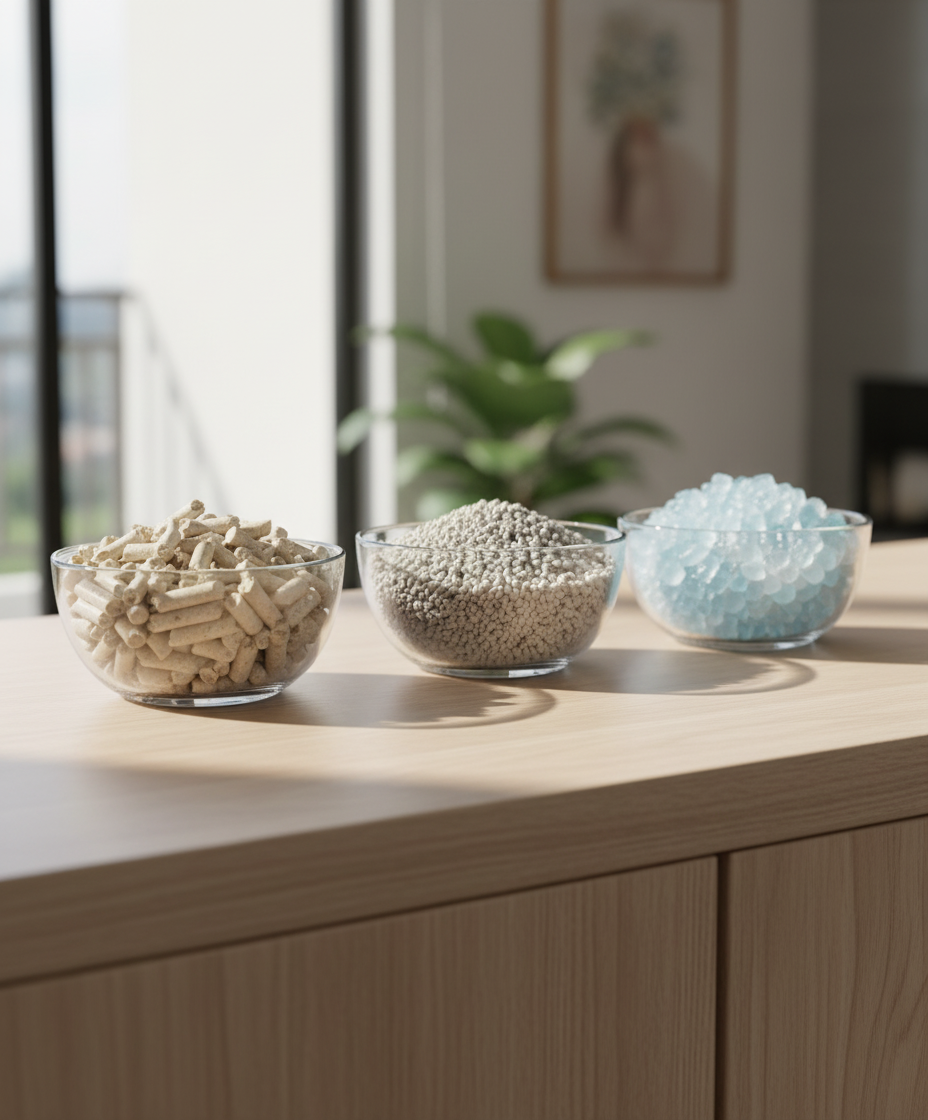
The choice of cat litter profoundly impacts your cleaning schedule, especially in Malaysia's humid environment. Each type reacts differently to moisture and waste. Understanding these nuances helps you choose and maintain your litter more effectively, saving you money and keeping your home fresh. Here’s a breakdown:
Clumping Clay Litter
Bentonite clay is a classic for a reason: it clumps urine firmly, making scooping easy. However, in high humidity, this advantage can diminish. The clay particles can absorb ambient moisture, making clumps softer and more prone to breaking apart when you scoop. This allows soiled litter to mix with clean, compromising hygiene and odor control. Despite this, it's generally less prone to mold than organic options, but a consistently damp environment can still cause issues if not managed. For optimal performance, scoop twice daily and plan for a full change every 3-5 days.
Tofu (Soy-Based) Cat Litter
Many cat parents, including us at Liger, love tofu litter for its natural composition, ultra-low dust, and flushable convenience. Our Liger Tofu Cat Litter, with its natural mild milk fragrance, also offers fast and firm clumping and minimal tracking. However, as an organic, plant-based material, tofu litter is particularly susceptible to Malaysia's humidity. It readily absorbs moisture from the air, which can lead to weakened clumps and a higher risk of mold growth, sometimes visibly within a week. This means tofu litter requires the most frequent full changes to stay hygienic. Daily scooping, 2-3 times a day, and a full replacement every 1-2 days are generally recommended in our climate, as we've detailed in our How Often to Change Tofu Cat Litter — Malaysia Schedule. Proper storage in airtight containers is critical to prolong its shelf life.
Crystal/Silica Gel Litter
Silica gel litter is a champion in humid environments. Its porous crystals are powerful desiccants, absorbing large amounts of liquid and effectively trapping ammonia odor. This desiccating property also creates an arid environment, making it highly resistant to mold and bacterial growth. While it's non-clumping (it absorbs urine internally), it excels at odor control. However, even silica gel has its limits; constant absorption of atmospheric moisture means it will reach saturation faster here than in temperate climates. Daily scooping of solids and stirring the remaining crystals helps distribute moisture. Expect a full change every 5-7 days.
Pine and Paper Pellet Litter
Pine and paper litters are other organic options valued for their eco-friendliness. Pine litter typically breaks down into sawdust upon contact with urine, which then absorbs moisture. Paper pellets also soak up liquid. In high humidity, both can struggle, becoming a damp 'mush' that is difficult to manage and prone to developing a musty smell. While pine has some natural antimicrobial properties, persistent dampness can still lead to mold if not changed frequently enough. These litters generally require daily removal of solids and a full change every 3-5 days in our climate.
| Litter Type | Recommended Daily Scooping | Full Change Frequency (30°C/80% Humidity) | Estimated Monthly Cost (RM, Single Cat) |
|---|---|---|---|
| Bentonite Clay | At least 2 times per day | Every 3-5 days | RM 15 - 53 |
| Tofu (Soy-Based) | 2-3 times per day | Every 1-2 days | RM 28 - 70 |
| Silica Gel (Crystal) | Scoop solids 1x per day; stir daily | Every 5-7 days | RM 16 - 62 |
| Pine & Paper Pellets | Scoop solids 1x per day; full change for sawdust | Every 3-5 days | RM 20 - 50 (approx.) |
(Estimated monthly costs based on typical product sizes and pricing from Oyen - Best Cat Litter Brands Malaysia, Pottycats.com, Alphapets.com.my, factoring in higher consumption due to humidity.)
Essential Cleaning Supplies
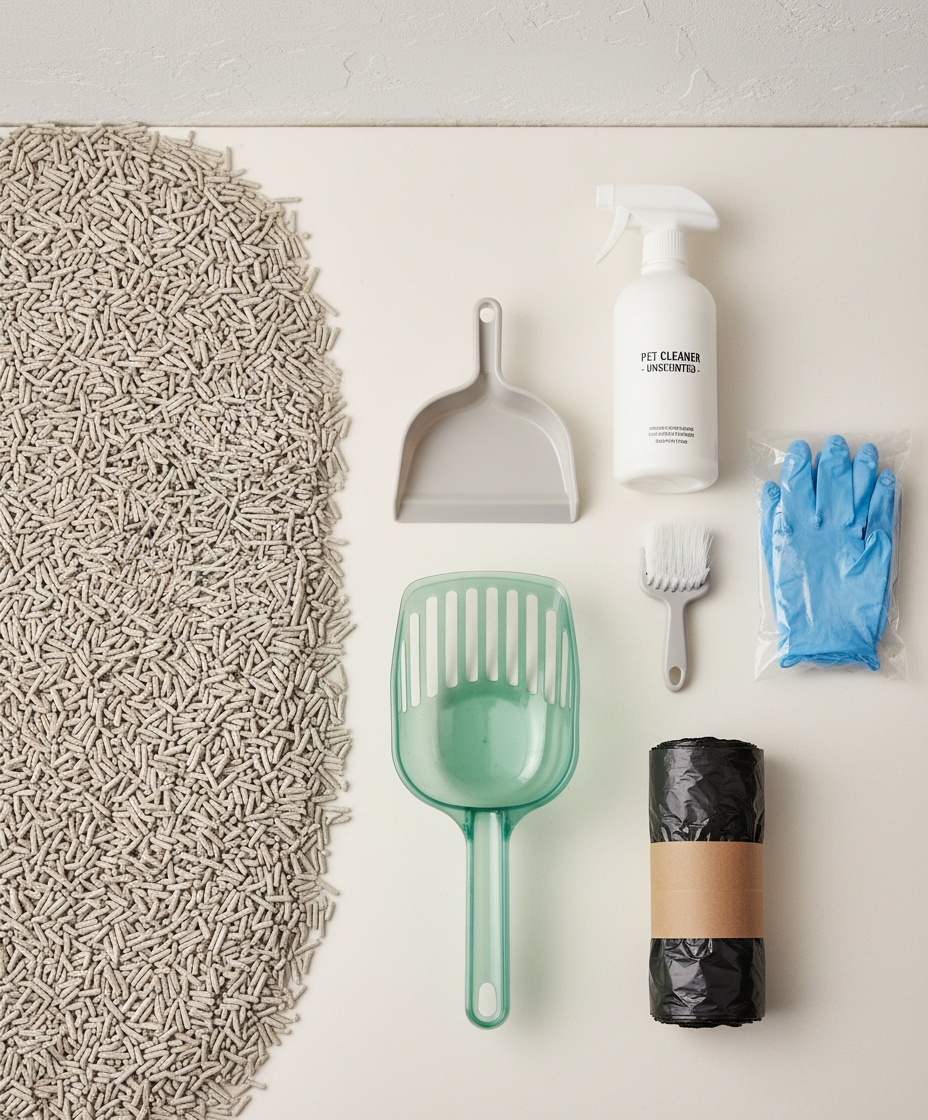
Having the right tools makes cleaning easier, faster, and more effective. Stocking up on these essentials will turn a dreaded chore into a manageable routine.
Basic Supplies Checklist
- Sturdy Litter Scoop: A metal scoop is often more durable and effective for hard clumps than plastic ones.
- Disposable Gloves: Essential for hygiene and preventing transmission of any pathogens.
- Heavy-Duty Trash Bags: To securely contain waste and odors.
- Unscented Soap/Pet-Safe Cleaner: Mild dish soap works well; avoid harsh chemicals or strong perfumes.
- Paper Towels or Microfiber Cloths: For wiping down the box.
- Baking Soda: An excellent natural deodorizer for the bottom of the box.
- Dehumidifier (Optional but Recommended): Especially for tropical climates, to control ambient moisture.
- Activated Carbon Filters: Can be placed near or in the box for extra odor absorption.
Where to Buy in Malaysia
Malaysian cat parents have plenty of options for purchasing litter and cleaning supplies. Major online marketplaces like Shopee and Lazada offer a vast selection, often with competitive pricing and delivery to your doorstep. For a more tactile shopping experience or immediate needs, pet retail chains like Pet Lovers Centre are widely available across major cities, and often carry premium brands and their own house brands. Local pet shops and even larger supermarkets may also stock basic litter and supplies. Compare prices across these platforms to find the best deals, especially on bulk purchases of litter.
Litter Box Setup Best Practices
A clean litter box is one thing, but a strategically placed and appropriately sized one is another. The right setup can prevent accidents, reduce odor, and keep your cat feeling secure and happy.
How Many Litter Boxes Do You Need?
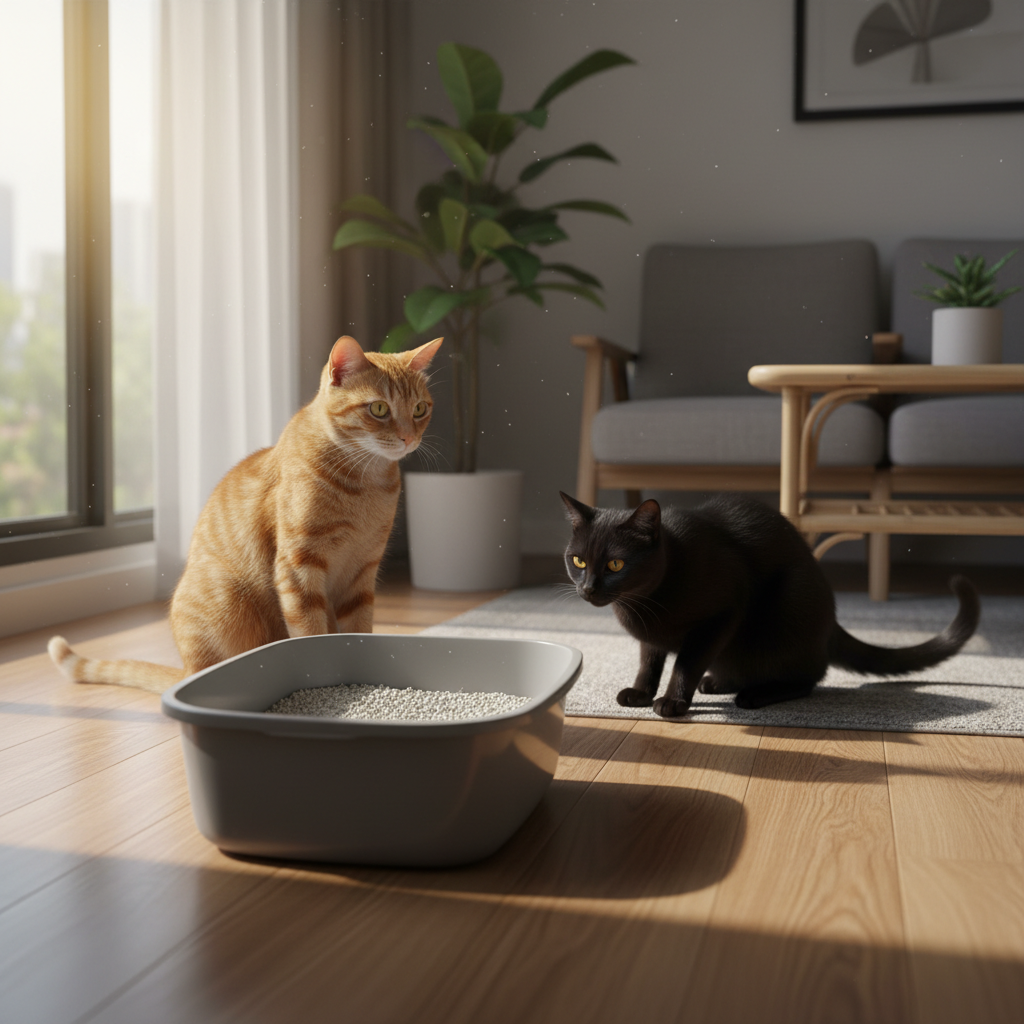
The golden rule for litter boxes, especially in multi-cat households, is N+1, where N is the number of cats. So, for one cat, you should have two litter boxes; for two cats, three boxes, and so on. This prevents competition for resources, reduces stress, and offers options if one box is perceived as unclean or inaccessible. Even if you have just one cat, having a second box available can be a lifesaver if they suddenly develop an aversion to their primary box.
Best Placement in Malaysian Homes
Finding the perfect spot for a litter box in a Malaysian apartment or condo can be tricky, but it's crucial. Aim for:
- Well-Ventilated Areas: Good airflow is essential to disperse odors and help evaporate moisture. Think a bathroom with an exhaust fan, a balcony (if enclosed and safe), or a utility room with a window. Avoid cramped, unventilated closets where ammonia can concentrate.
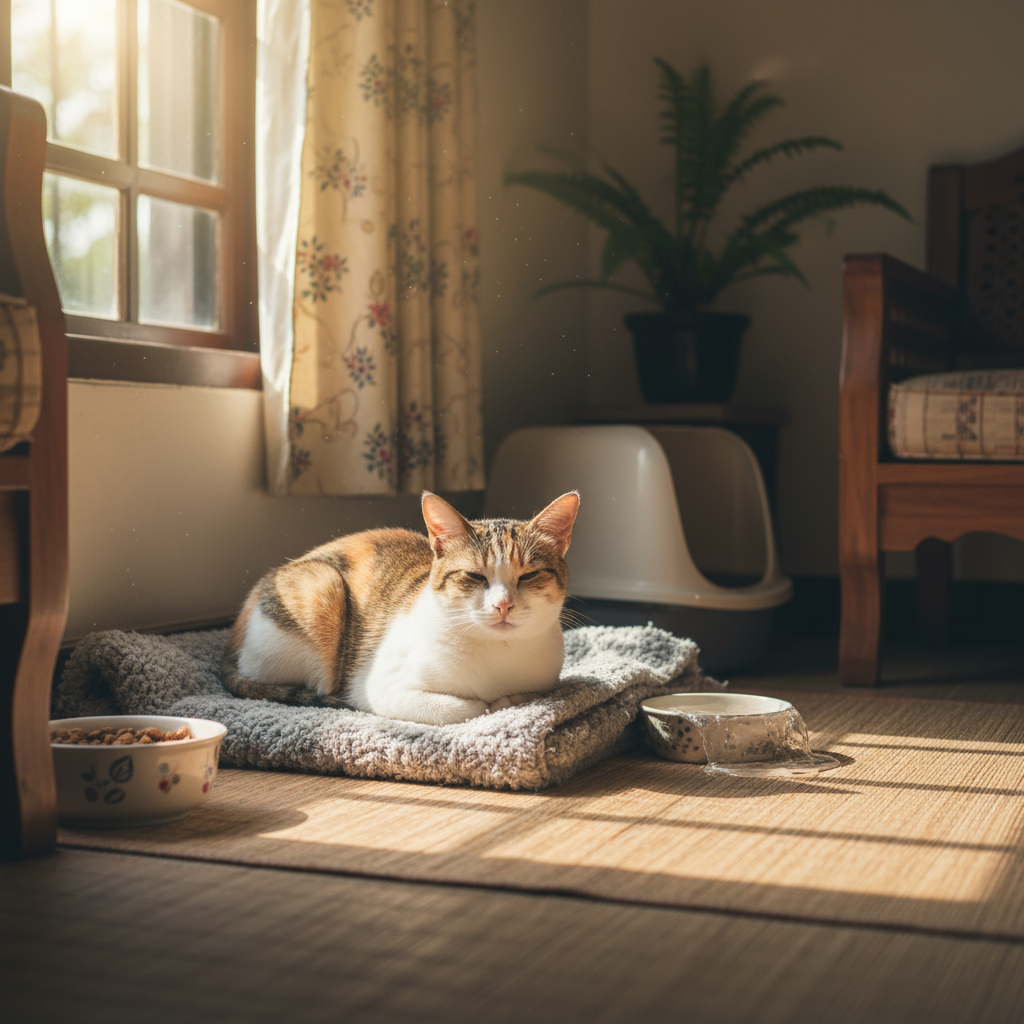
- Quiet, Accessible Locations: Cats need privacy and security. Place the box away from high-traffic areas, noisy appliances, and their food and water bowls.
- Out of Direct Sunlight: Direct sun can cook waste, intensifying odors and accelerating bacterial growth.
- Multiple Locations: If you have multiple boxes, place them in different areas to offer choice and prevent territorial disputes.
Choosing the Right Litter Box
The size and style of your litter box matter. An undersized box can lead to discomfort and accidents. Cats need enough space to turn around, dig, and squat comfortably. As a general guideline, the box should be at least 1.5 times the length of your cat from nose to base of tail. When it comes to covered versus uncovered, uncovered boxes offer superior ventilation, which is a huge plus in our humid climate. While covered boxes provide privacy and contain mess, they can trap moisture and ammonia, making them less inviting for some cats. If you opt for a covered box, ensure it has ample ventilation openings.
Signs Your Cat's Litter Box Isn't Clean Enough
Cats are notoriously subtle, but when it comes to their litter box, they send clear signals if something is amiss. As their parent, it’s up to you to decode these messages. Ignoring them can lead to significant behavioral problems and missed health alerts.
Behavioral Warning Signs
These are the most common indicators that your cat is unhappy with their litter box situation:
- Urinating or Defecating Outside the Box: This is the most obvious sign. They might choose nearby surfaces, soft laundry, or cool tile floors. They're telling you, "I don't like my toilet anymore!"
- Excessive Digging or Scratching: While some digging is normal, if your cat spends an unusually long time trying to "bury" their waste, they might be attempting to cover up smells from previous uses due to an unclean box.
- Perching on the Edge: If your cat avoids stepping directly into the litter, preferring to balance precariously on the rim, it's a sign they find the litter itself or the box's cleanliness undesirable.
- Vocalizing or Straining: Crying in the litter box, or repeated, unproductive straining, can be signs of discomfort or pain related to elimination, which could be worsened by a dirty environment.
- Avoiding the Box Altogether: If your cat suddenly avoids the room where the litter box is, or simply holds their urges for too long, the box might be the culprit.
Health Monitoring Through the Litter Box
Beyond behavioral cues, your cat's litter box is a daily health report. Daily scooping isn't just about cleanliness; it’s an opportunity for a quick visual health check. You can tell a lot about your cat's well-being from their urine and stool, making the litter box an invaluable health dashboard.
- Urine Volume and Frequency: A noticeable increase in the size or number of urine clumps could signal polyuria, often linked to serious conditions like chronic kidney disease or diabetes. Conversely, very small or no clumps, especially if your cat is straining, could indicate a urinary blockage or Feline Lower Urinary Tract Disease (FLUTD).
- Urine Color: Any discoloration, especially pink or red hues, indicates blood in the urine (hematuria), a common sign of FLUTD or bladder stones.
- Stool Consistency: Changes from firm, well-formed stools to diarrhea or very hard, dry pellets can indicate digestive issues, dehydration, or other health problems. We deep dive into this in our The Poop Whisperer: What Your Cat's Stool is Saying guide.
- Urgency of Urethral Obstruction: For male cats, straining to urinate with little to no output is a medical emergency. AVMA - Feline Lower Urinary Tract Disease states that death can occur within 24 to 48 hours without immediate veterinary intervention due to rapid toxin buildup. In senior cats presenting with FLUTD symptoms, 50% of cases are urinary tract infections and 10% are bladder stones, according to Veterinary Partner - FLUTD in Senior Cats.
Any persistent changes warrant an immediate call to your vet. You can also use our Urinary Health Checker to get AI-powered insights into potential urinary issues.
Odor Control Tips for Malaysian Homes
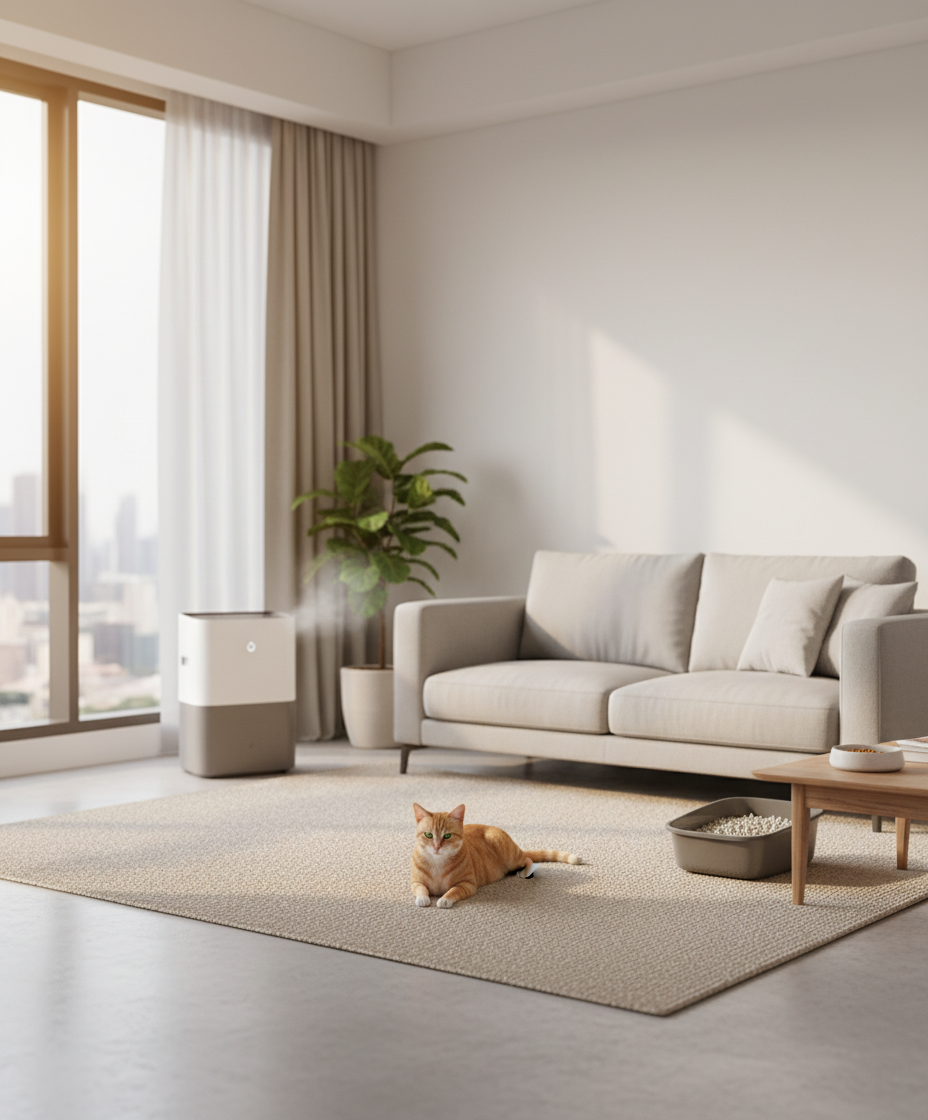
Battling litter box odor in Malaysia’s heat and humidity feels like an endless war, but with the right strategies, you can win. Beyond diligent cleaning, environmental control is your best ally.
Natural Deodorizing Solutions
- Baking Soda: This humble pantry staple is a powerful odor absorber. Sprinkle a thin layer at the bottom of a clean litter box before adding fresh litter, and you can also mix a small amount into the litter itself. It neutralizes odors rather than just masking them.
- Activated Charcoal: Activated carbon is a porous material that adsorbs (binds to) odor molecules. You can find activated charcoal inserts for litter boxes, or even place bowls of activated charcoal near the litter box. It’s effective and pet-safe.
- Good Ventilation: Simple, yet incredibly effective. Ensure your litter box is in a well-ventilated area. Open windows, use an exhaust fan in a bathroom, or place a small fan (directed *away* from the box, not into it, to avoid scattering litter) to promote airflow and prevent stagnant, smelly air.
Dealing with Humidity and Odor
This is where Malaysia-specific strategies truly shine:
- Dehumidifiers: A game-changer for tropical homes. By actively removing excess moisture from the air, a dehumidifier directly combats the primary factor accelerating bacterial growth and ammonia off-gassing. Aim to maintain indoor humidity between 40-50%. Place a unit in the same room as the litter box, and you'll notice a significant difference in both odor and litter longevity.
- Fan Placement: As mentioned, use fans to create airflow, but be smart about it. A ceiling fan helps circulate air generally, while a small standing fan can be strategically placed to direct fresh air towards the box and carry odors away (e.g., towards an open window or exhaust fan).
- Monsoon Season Challenges: During monsoon season, humidity levels skyrocket. This is when all your efforts need to be doubled. Be extra diligent with scooping, consider more frequent full litter changes, and definitely keep that dehumidifier running. This is also when organic litters are most susceptible to mold, so consider a temporary switch to silica gel during prolonged rainy periods if mold is a concern.
It's about creating an environment where odors simply can't thrive, rather than constantly trying to cover them up.
Managing a cat's litter box in Malaysia is an ongoing effort, a testament to our dedication as cat parents. The unique challenges of our tropical climate — the relentless heat and humidity — mean that what works elsewhere simply won't cut it here. Bacterial growth, mold proliferation, and ammonia off-gassing occur at an accelerated rate, demanding a proactive and specific approach to litter box hygiene.
We've walked through the scientific reasons behind this, explored how different litter types perform under pressure, and outlined a comprehensive, climate-adjusted cleaning schedule. From scooping at least twice daily to more frequent full litter changes based on your chosen litter, every step makes a difference. Remember, the litter box is also a crucial health monitor, offering daily insights into your cat's well-being.
By integrating these practices — rigorous scooping, informed litter choice, strategic environmental controls like dehumidifiers, and regular deep cleans — you're not just maintaining a litter box. You're safeguarding your cat's health, ensuring a fresh-smelling home for your family, and proving that being a cat parent in Malaysia means being truly committed.
For your Monday morning action, go check your litter box. Seriously. Then, set a reminder right now on your phone to scoop it again before dinner tonight. That small, consistent habit is the simplest, most effective step you can take for a happier, healthier home.