Pancreatitis in cats is one of those diseases that hides in plain sight. There's no dramatic collapse, no obvious "praying" posture like dogs get — just a cat that's a bit flat, off its food, maybe a little dehydrated. Yet it's startlingly common, and if a cat stops eating because of it, a second, life-threatening problem (fatty liver) can pile on within days. This guide explains what feline pancreatitis is, why it's so hard to spot, how vets diagnose it, and why "getting food back in" is at the heart of treatment — all from veterinary sources.
Important: this is educational, not a diagnosis. Pancreatitis looks like a dozen other illnesses, and the dangerous ones need a vet fast. Treat any cat that's lethargic and not eating as a reason to call the clinic, not to wait and see.
The Silent Pancreas: Why Feline Pancreatitis Is So Sneaky
The pancreas sits quietly behind the stomach, making digestive enzymes and insulin. When it inflames, dogs tend to make a scene. Cats don't. According to the Cornell Feline Health Center, the typical feline signs are just lethargy and reduced appetite — vague enough to be almost anything.
How common is it? Post-mortem studies have found evidence of pancreatitis in roughly half of all cats examined, including many that seemed perfectly healthy in life — which tells you how often it runs "silent". The flip side: when a cat does feel unwell from it, the signs are so non-specific that you can't diagnose it from the sofa. That's not a reason to panic over every nap; it's a reason to take persistent flatness and appetite loss seriously.
Acute vs Chronic: Two Faces of the Same Disease
Pancreatitis comes in two forms, per the MSD/Merck Veterinary Manual:
- Acute pancreatitis — a sudden event where digestive enzymes activate inside the pancreas and start digesting the organ itself ("autodigestion"), triggering intense neutrophil-driven inflammation. Severe cases can spill into a body-wide inflammatory response that becomes life-threatening.
- Chronic pancreatitis — an insidious, smouldering, lymphocyte-driven inflammation that slowly scars (fibroses) and shrinks the pancreas. Over time it can erode the organ's ability to make digestive enzymes or insulin — which is part of why pancreatitis and feline diabetes sometimes travel together.
The chronic form is actually the more common one in cats, and because it's so quiet, many cats carry it for a long time before anyone notices.
What Causes It (Mostly a Mystery)
Here's the honest answer: in over 95% of feline cases, the cause is never identified — it's classified as idiopathic. Unlike dogs, a fatty meal is not a well-established trigger in cats. Proposed risk factors include abdominal trauma, disrupted blood supply, certain infections (Toxoplasma, FIP), and some toxins.
But there's one big clue baked into feline anatomy — which leads straight into the next section.
Triaditis: The Pancreas Rarely Suffers Alone
In cats, the pancreatic duct and the bile duct merge into a single channel before entering the intestine. That shared "plumbing" lets inflammation and gut bacteria travel between organs — so feline pancreatitis is frequently bundled with inflammatory bowel disease (IBD) and cholangitis (bile-duct inflammation). Vets call this trio triaditis, and studies report it in 50–56% of cats with pancreatitis; up to two-thirds have at least one other concurrent inflammatory condition. The bacterial-reflux theory is backed by research (NIH/PMC) that found gut bacteria such as E. coli inside roughly a third of inflamed feline pancreases. This is the single most compelling explanation for all that "idiopathic" disease. If your cat has pancreatitis, its gut and liver deserve a look too — our guide to feline IBD covers the bowel half of the puzzle.
The Signs to Watch: Lethargy and Not Eating
Because pancreatitis is so quiet, you're watching for subtle, persistent changes rather than anything dramatic:
- Lethargy — the most common sign
- Reduced appetite or full anorexia — the second most common, and the most dangerous (more below)
- Dehydration
- Vomiting — only in about 35–50% of cats (unlike dogs, where it's classic)
- Weight loss — in roughly half of affected cats
- Sometimes jaundice (yellow gums/eyes) if the liver is involved
Overt belly pain is reported in only 10–30% of cats — not because it doesn't hurt, but because cats are masters at hiding pain. If you're learning to read feline illness in general, our 12 warning signs your cat is sick is a good companion. The headline: a cat that won't eat is never "just fussy".
How Vets Diagnose It
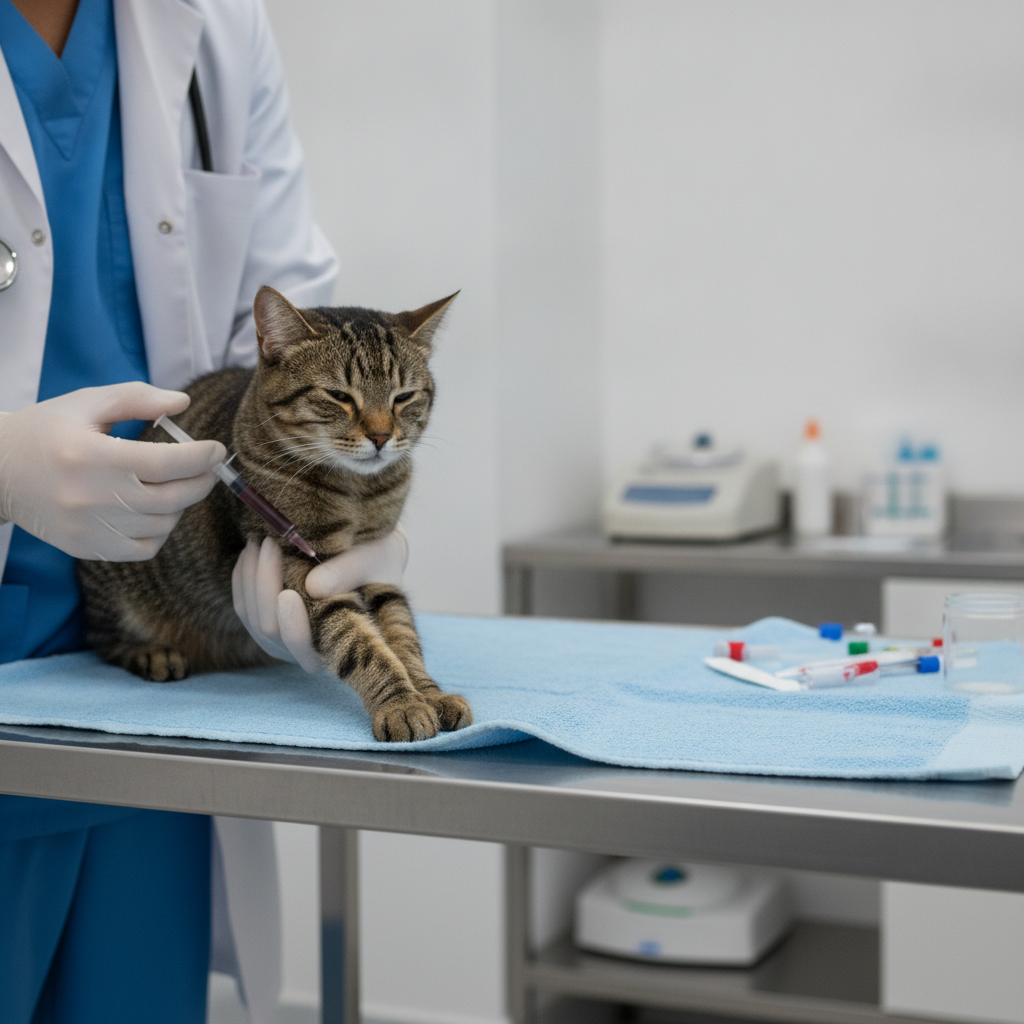
There's no single perfect test — PetMD notes diagnosis is built from several pieces:
- Spec fPL blood test (feline pancreatic lipase) — the most useful blood marker, but not perfect: around 79% sensitivity, so it can miss mild or chronic cases.
- Abdominal ultrasound — can show an enlarged, inflamed pancreas or a dilated pancreatic duct (over about 2.5 mm), but sensitivity ranges widely (about 20–67%), and a normal-looking scan does not rule pancreatitis out. It's also very operator-dependent.
- General bloodwork and urinalysis — to assess hydration, organ function, and to screen for the concurrent diseases of triaditis.
A Spec fPL result has a "grey zone" where the answer is equivocal, so vets read it alongside the ultrasound and the cat's overall picture rather than in isolation. Note too that old-fashioned amylase and lipase tests are unreliable in cats and aren't used for this. The takeaway for you as an owner is simply that this is a "puzzle" diagnosis — trust the combined work-up rather than expecting one tidy answer. And because chronic inflammation can slowly wreck the organ, long-standing pancreatitis can eventually cause exocrine pancreatic insufficiency (poor digestion) or tip a cat into diabetes — another reason not to let a "quiet" case drift unmonitored.
Treatment: Supportive Care and the Feeding Imperative
There's no magic drug that "cures" the pancreas — treatment is about supporting the cat while the inflammation settles. The cornerstones, per the VCA Hospitals guidance, are:
- Intravenous fluids to correct dehydration and support circulation
- Pain management (assume it hurts, even if the cat hides it)
- Anti-nausea medication to stop vomiting and restore comfort
- Early nutritional support — the big one
Why feeding is urgent: the old advice to "rest the pancreas" by withholding food is outdated and dangerous in cats. When a cat stops eating, its body mobilises fat that the feline liver can't process well, and it can spiral into hepatic lipidosis (fatty liver disease) — a potentially fatal complication of not eating, described by the Merck Vet Manual. That's why vets prioritise getting nutrition back in early, sometimes via a feeding tube. We cover that danger in depth in why won't my cat eat.
Beyond the basics, vets may use appetite stimulants and, importantly, choose the right food for a recovering cat — VCA's guidance on nutrition and pancreatic disease stresses that, unlike dogs, cats don't usually need an ultra-low-fat diet, and the priority is simply getting adequate, palatable calories in. Where triaditis is present, the concurrent IBD and cholangitis are treated alongside — sometimes with diet changes, anti-inflammatories or antibiotics — which is why two cats with "the same" diagnosis can have quite different plans.
We don't give doses or home remedies here — pancreatitis care is hospital-level medicine, individualised to the cat. Never withhold food from a sick cat or attempt to treat at home; ring your vet.
Home Care, Monitoring, and Prognosis
Once your cat is home, your job is observation and gentle consistency:
- Count every meal. Appetite is the single most important thing to track. A cat refusing food for a day or two is an urgent re-check, not a wait.
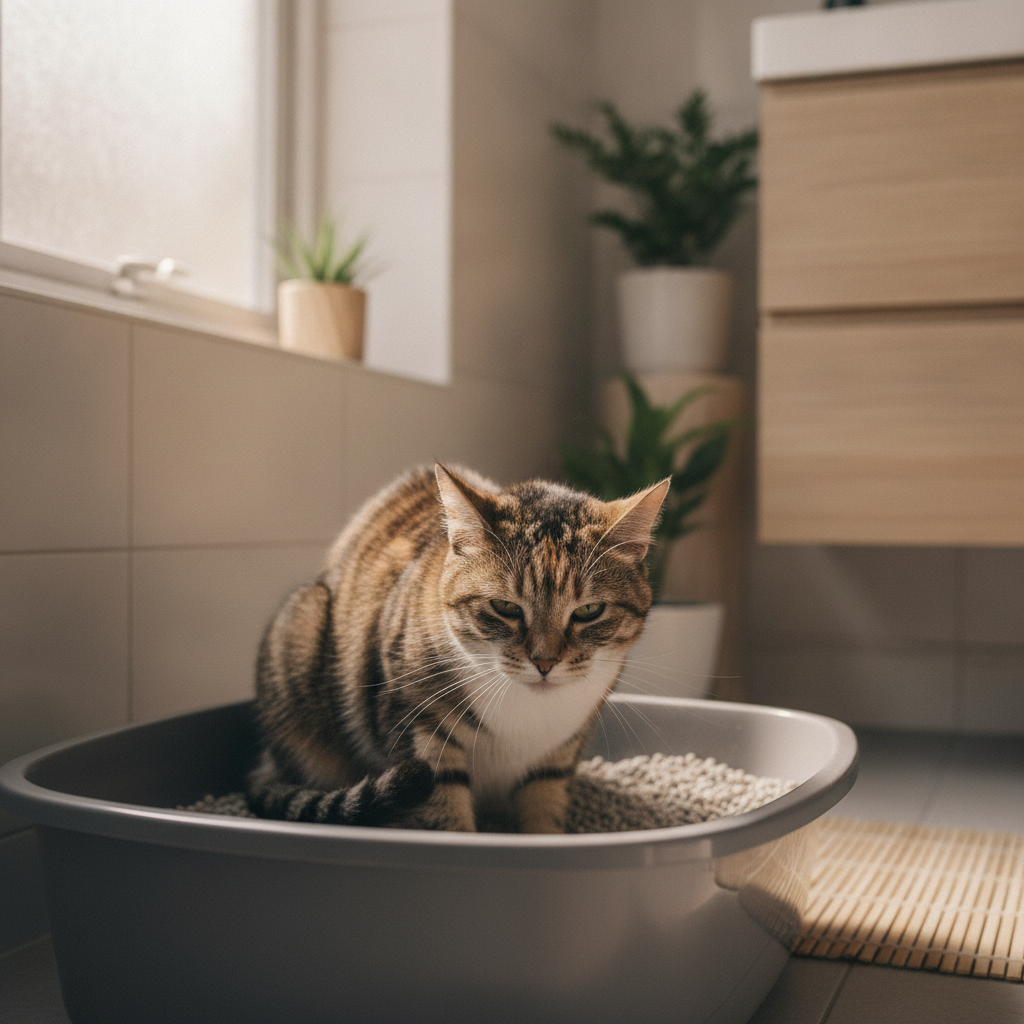
- Watch the litter box. Vomiting, stool changes and reduced output are early flags your vet wants to hear about. A clean, easy-to-read box makes those changes obvious.
- Keep stress low and follow the diet and meds your vet prescribes.
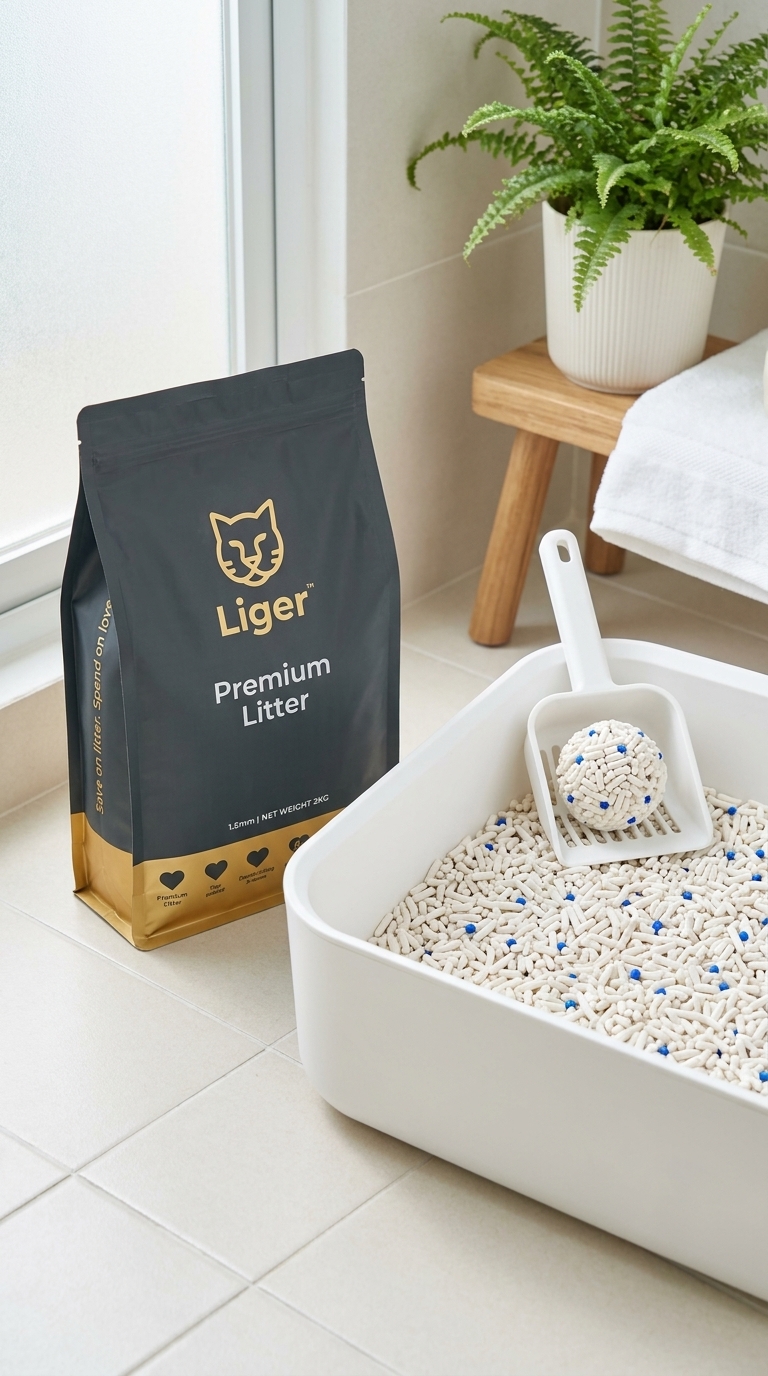
This is where a fuss-free litter setup quietly helps a recovering cat. Liger Premium Tofu Cat Litter is a soy-based tofu litter that's low-dust (easier on a cat already feeling delicate), clumps firmly so you can spot changes in output, and is flushable for fast daily clean-ups — Halal-certified and priced from RM21.90 for a 2 kg pack down to RM8.45/kg on the 10-pack. It doesn't treat pancreatitis, but a clean box you check daily makes you a better set of eyes for your vet. Size your supply with the litter calculator.
Prognosis varies hugely — mild cases often recover well with prompt supportive care, while severe acute disease or complicated triaditis is far more serious. Many cats also have flare-ups over their lifetime rather than a single episode, so ongoing vet check-ups and weight monitoring matter for chronic cases. The common thread is early action: the sooner a flat, off-food cat is seen, the better the odds. For the wider picture, see our overview of common cat diseases in Malaysia — and remember, in cats, "not eating" is itself an emergency in the making.