"My cat never goes outside, so it doesn't need a rabies jab." It's the most common thing we hear — and in Malaysia, it's also the most dangerous to believe. Rabies is almost 100% fatal once symptoms appear, it's zoonotic (it kills people too), and the situation in part of the country has changed who's at risk. This guide cuts through the confusion: where rabies actually is in Malaysia, whether the law requires a cat vaccine, and why even a strictly indoor cat should have one.
Rabies is one piece of your cat's wider core vaccination schedule; this article zooms in on the rabies question specifically. For the full preventive picture, start with our cat preventive care guide.
Malaysia's Split Rabies Map: Peninsular vs Sarawak
Malaysia has two very different rabies realities. Peninsular Malaysia is largely rabies-free, kept that way by a containment strategy of "buffer zone" vaccination along the Thai border; a World Organisation for Animal Health review found all Peninsular animal samples from 2020 to mid-2022 tested negative. Only rare, isolated cases occur — such as a man in Selangor who died of rabies in March 2022.
Sarawak is a different story. An outbreak declared on 1 July 2017 — suspected to have crossed from a concurrent epidemic in West Kalimantan, Indonesia — has never fully subsided. According to the Sarawak Department of Veterinary Services and state reporting, the outbreak had reached a cumulative 94 human cases and 87 deaths as of May 2026. If you live in or travel to Sarawak with a cat, this is not a theoretical risk.
Why Cats Are Now in the Spotlight
Historically, rabies control here focused on dogs — and dogs remain the main viral reservoir (1,096 of 1,221 animals that tested positive in Sarawak between 2017 and 2025). But cats have moved from footnote to headline. In that same period, 125 cats tested positive, and the bite data is even more striking: from January to mid-March 2026, cats were involved in 62.2% of the 4,623 reported animal bites in Sarawak — more than dogs.
That shift is why, in March 2026, Sarawak officials publicly refocused the state's rabies-control strategy on cats, and why cat licensing and microchipping are under active discussion. A cat doesn't have to be the reservoir to be the animal that bites a child — and that's the contact point that matters for human deaths. Authorities have repeatedly stressed that most rabies deaths were preventable, and were driven by victims not seeking prompt treatment after a bite.
If a cat (or any animal) ever bites or scratches you: wash the wound immediately with soap and running water for at least 15 minutes, then seek medical care the same day for post-exposure prophylaxis (PEP). Don't wait to "see how it heals" — once rabies symptoms start, it is almost always too late. On the prevention side, the World Health Organization targets 70% vaccination coverage of the animal population to break transmission, and in April 2026 Sarawak even trialled an oral rabies vaccine delivered in edible baits to reach hard-to-catch strays.
Is the Rabies Vaccine Legally Required for Cats?
The honest answer: it depends where you are, and the law is evolving. At the federal level, the Animal Act 1953 empowers veterinary authorities to run control measures but does not impose a blanket, compulsory rabies vaccine on every cat owner nationwide.
Sarawak is stricter. Under the Veterinary Public Health Ordinance 1999, an Anti-Rabies Vaccination Order signed in January 2025 made annual rabies vaccination mandatory for all dogs, with non-compliance punishable by a fine of up to RM2,500. As of early 2025, seven divisions — Kuching, Samarahan, Serian, Sri Aman, Kapit, Mukah and Bintulu — were declared rabies-infected zones, as reported locally. The crucial gap: that order does not yet legally compel cat vaccination — but officials are openly considering closing it. In a gazetted zone, "not currently required for cats" is a loophole, not a reason to skip it. Always confirm the current rules with your state DVS or vet.
Do Strictly Indoor Cats Really Need It? (Yes)
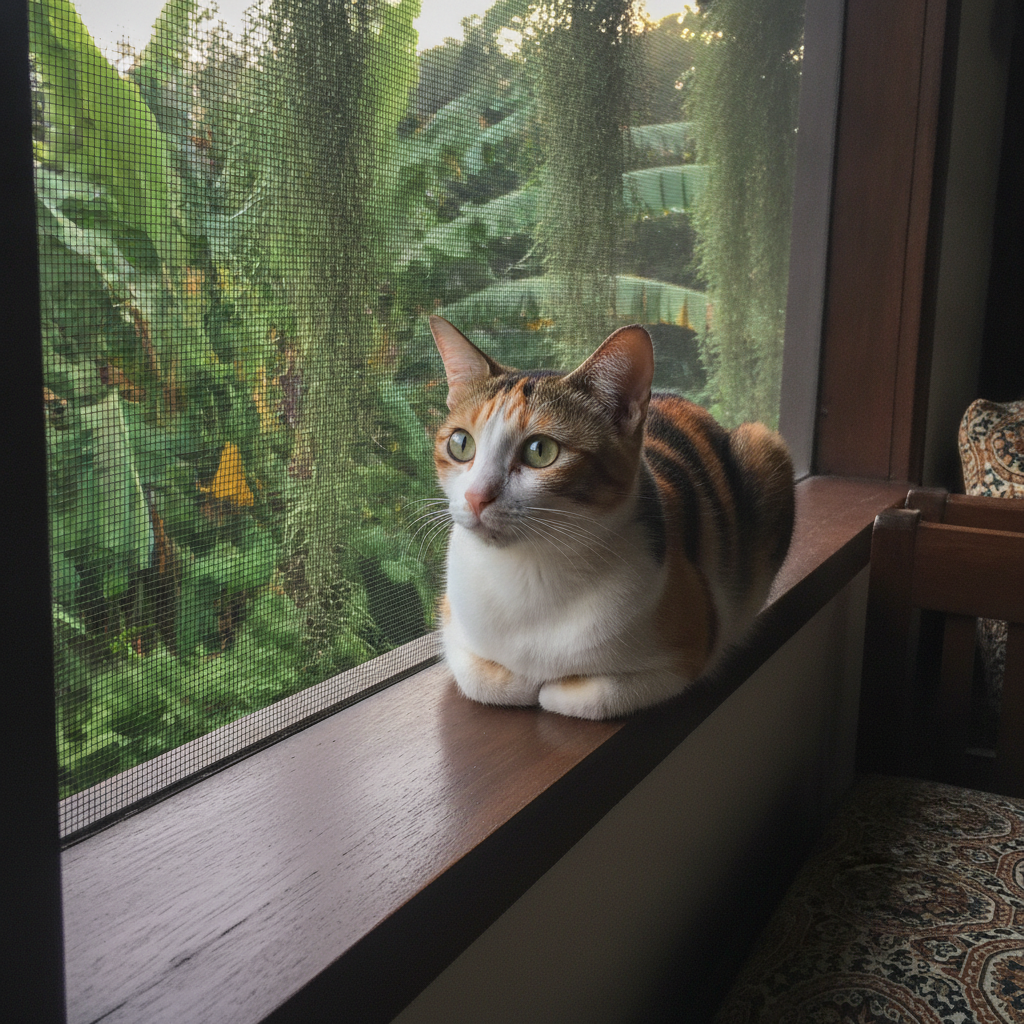
Global authorities are unanimous on this. The Cornell Feline Health Center, VCA Hospitals and WSAVA all classify rabies as a core vaccine for every cat in an endemic country — no indoor exemption. "Indoor" is a strong risk-reducer, not a sealed box. Realistic exposure routes include:
- Wildlife getting in: bats — a classic rabies carrier — can enter through gaps in roofs, vents or torn window screens, and a hunting cat will go straight for one.
- Accidental escapes: even careful owners have a cat dart out an open door; a few minutes outside is enough for one bad encounter.
- Other pets: a dog that goes outdoors can be bitten and bring the virus home to an indoor cat.
There's also a hard, practical reason that has nothing to do with your cat catching rabies: what happens if your cat bites someone. A currently-vaccinated cat that bites a person is typically placed under a 10-day observation. An unvaccinated cat can face a far longer quarantine — and in many protocols, euthanasia and post-mortem brain testing to rule rabies out. A simple vaccine is the firewall that prevents that nightmare for your family and your cat.
The Cat Rabies Vaccine Schedule
Standard Malaysian practice gives a kitten its first rabies dose at 12–16 weeks of age, a booster one year later, and then annual boosters. The annual cadence is the prevailing DVS-aligned standard and is what you'll usually need for travel, boarding or licensing certificates.
Internationally, the picture is slightly different. WSAVA and iCatCare note that modern rabies vaccines provide at least three years of immunity, so they recommend boosting every 1–3 years depending on the licensed product and risk. Why does Malaysia lean annual? In a country with an active, high-fatality outbreak in Sarawak, the annual schedule gives a wider safety margin, keeps population immunity high, and guarantees a yearly health check. Follow whichever interval your vet advises for your location — and try not to let a booster lapse, since an out-of-date vaccine can be treated the same as no vaccine if your cat ever bites someone. Plan the timing alongside the rest of the kitten course using our kitten first-year health timeline and the vaccine schedule tool.
Travelling or Moving With Your Cat
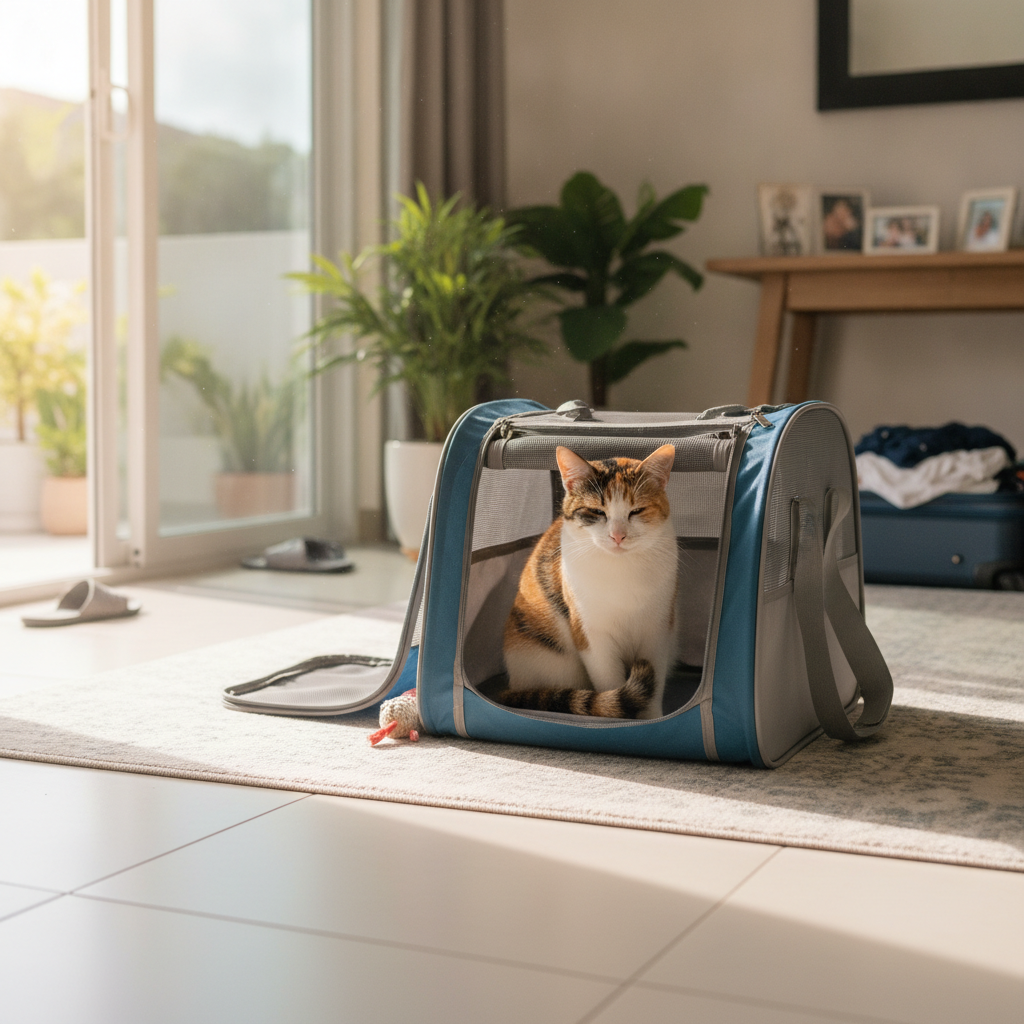
Rabies is the centre of gravity for pet travel rules. To import a cat into Malaysia, it generally needs an ISO-standard microchip, a valid import permit from MAQIS, a Veterinary Health Certificate, and a rabies vaccination given between 30 days and 12 months before travel; quarantine ranges from 0 days (scheduled countries like the UK, Japan, Singapore) up to 14 days (e.g. Thailand). To export, the destination country sets the bar — rabies-free countries like Australia, Japan and the UK typically require a rabies titre (blood) test plus a waiting period of up to 180 days.
The takeaway for owners: rabies paperwork takes months, not days, so start early and confirm current requirements directly with MAQIS/DVS and the destination authority. If a car ride to the clinic already stresses your cat, our guide to carrier-training for stress-free vet visits will make travel far easier.
Making Indoor Life Work
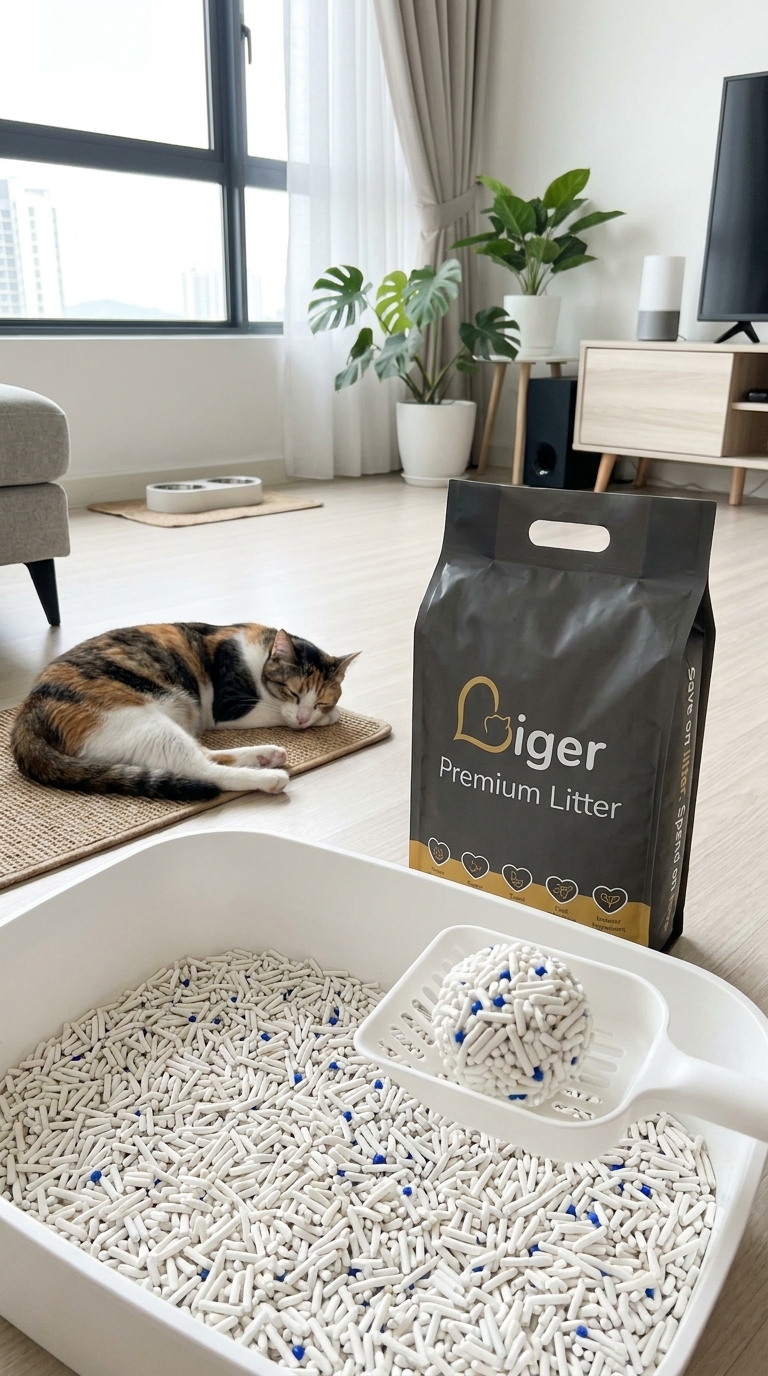
Here's the constructive flip side: keeping your cat happily indoors is the single biggest thing you control to lower its rabies risk (alongside the vaccine itself). A content indoor cat doesn't roam, doesn't fight strays, and isn't out meeting bats — so good indoor husbandry is genuine rabies risk-reduction, not just comfort.
A big part of making indoor life work is a litter setup your cat actually wants to use, so it never feels the urge to bolt outside. We use Liger Premium Tofu Cat Litter in our own multi-cat home — the soft natural soybean pellets clump firmly for easy daily cleaning, and the low dust keeps an enclosed apartment fresher (handy for the respiratory-prone cats covered in our vaccination guide). A 2kg pack is RM21.90, scaling to RM169 for the 10-pack (RM8.45/kg) with free shipping in Peninsular Malaysia (current Liger pricing, as of May 2026). Work out how much your household needs with the litter calculator, or compare dust levels with our dust comparison tool. Pair a happy indoor life with an up-to-date rabies vaccine and you've covered both halves of the risk.
The Bottom Line
Rabies in Malaysia is a tale of two regions: low risk in the Peninsular, an active and deadly outbreak in Sarawak where cats now feature heavily in bite and infection data. Treat the rabies vaccine as core for every cat — indoor or not — because the disease is fatal, zoonotic, and the consequences of an unvaccinated cat biting someone are severe. Get the first dose at 12–16 weeks, keep boosters current per your vet, and check the law in your state, especially if you're in or moving to Sarawak. For everything else on the calendar, see our complete preventive care guide and book that first vet visit.