Booking your cat's first vaccination in Malaysia can feel like decoding an alphabet soup — FVRCP, 3-in-1, 4-in-1, FeLV, rabies. Add conflicting advice ("indoor cats don't need shots", "boosters every year") and it's easy to either over-vaccinate or skip something that matters. This guide lays out a clear, evidence-based vaccination schedule built on the 2024 WSAVA global vaccination guidelines and the realities of living with a cat here — from Sarawak's rabies situation to the subsidised jabs at your nearest DVS clinic.
This article is part of our complete guide to cat preventive care in Malaysia. Think of vaccination as the foundation; deworming, parasite prevention and regular vet checks build on top of it.
Why Even Indoor Cats in Malaysia Need Vaccines
The most common myth we hear from KL and Penang cat parents is that a strictly indoor cat is safe without shots. It isn't. Core feline viruses are remarkably hardy and travel on inanimate objects. VCA Hospitals notes that pathogens like feline panleukopenia virus can be carried into a home on shoes, clothing, and hands — your cat doesn't need to step outside to be exposed. In a humid tropical climate where viruses persist well in the environment, that indirect route is very real.
Vaccination is also bigger than your own cat. By reducing how many cats can catch and shed a virus, a well-vaccinated population protects kittens too young to be fully immunised and cats that genuinely can't be vaccinated for medical reasons. It's the single most cost-effective thing you'll do for your cat's health — far cheaper than treating the diseases it prevents.
The Core "3-in-1": What FVRCP Actually Protects Against
FVRCP is the combination shot at the heart of every feline vaccination plan, sometimes called the "3-in-1" or the feline distemper shot. Both WSAVA and the 2020 AAHA/AAFP feline vaccination guidelines classify it as core — essential for every cat. The letters stand for three viruses:
- FVR (Feline Viral Rhinotracheitis): caused by feline herpesvirus-1, responsible for up to 90% of feline upper-respiratory infections. Once infected, a cat carries the virus for life and can flare up during stress.
- C (Calicivirus): another major cause of respiratory and oral disease, classically painful mouth ulcers; some strains cause pneumonia or lameness.
- P (Panleukopenia): feline "parvo" — extremely contagious, highly resilient, and often fatal in kittens. It attacks the gut and bone marrow, causing vomiting, bloody diarrhoea and a collapse in white blood cells. We cover it in depth in our guide to feline panleukopenia.
A "4-in-1" formulation simply adds protection against Chlamydia felis, a bacterium that causes conjunctivitis. WSAVA classifies the Chlamydia component as non-core — usually reserved for multi-cat homes, catteries or shelters with a known problem, not single pets.
Your Kitten's First 20 Weeks: The Primary Series
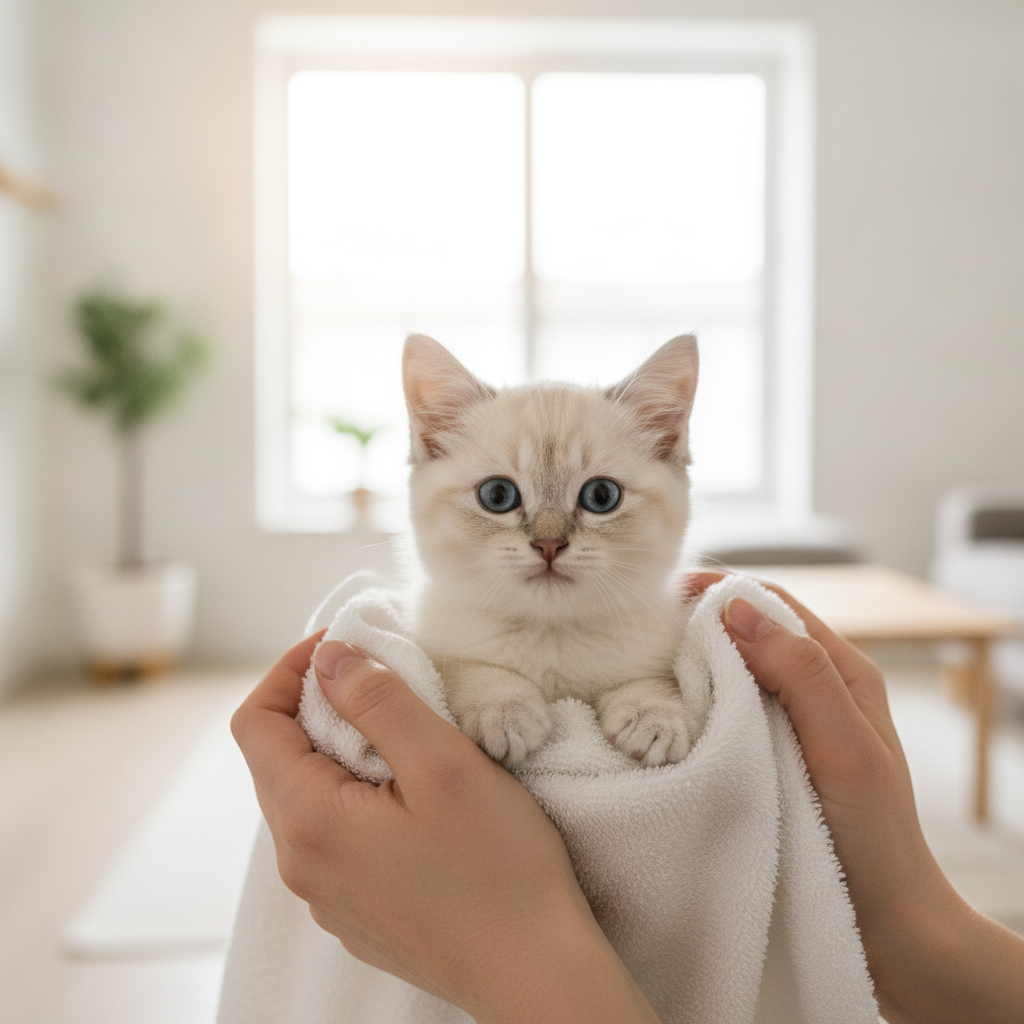
Kittens are the priority. The primary series is timed around a moving target called maternally-derived antibodies (MDA) — protective antibodies a kitten absorbs from its mother's first milk. MDA is life-saving early on, but it also blocks vaccines from working. Because MDA fades at a different rate in every kitten, there's a "window of susceptibility" where the kitten is no longer protected by mum but a single vaccine could still be neutralised.
That's why kittens get a series, not one shot. Per WSAVA and International Cat Care (iCatCare):
- First FVRCP dose as early as 6–8 weeks of age (iCatCare often starts at 8–9 weeks).
- Boosters every 3–4 weeks until the kitten is at least 16 weeks old — extended to 16–20 weeks in higher-risk settings to be sure of covering panleukopenia.
Never assume one early shot "is enough". A kitten vaccinated only once at 8 weeks may have had that dose blocked by MDA and walk around effectively unprotected. Finishing the series is what counts.
The 6-Month Booster: What Changed in 2024
Here's the most important recent update. Traditionally, the next booster after the kitten series was at 12 months. The 2024 WSAVA guidelines now advise an additional booster at or after 26 weeks (6 months) of age instead of waiting a full year.
The reasoning: a small but real percentage of kittens still have interfering MDA at 16 weeks, which can quietly render the final kitten dose ineffective. A booster at 6 months closes that residual gap and ensures virtually every cat enters adulthood properly immunised. If your kitten finished its series recently, ask your vet about scheduling this 6-month dose — many local clinics are still catching up to the new recommendation.
Adult Cats: Why "Annual Boosters" Are Often Outdated
One of the biggest shifts in feline medicine is the move away from automatic yearly FVRCP boosters. For most adult cats, WSAVA and AAHA/AAFP now recommend revaccinating the core FVRCP components every three years — not annually. This is backed by duration-of-immunity studies showing the panleukopenia component protects for at least 7.5 years; WSAVA states it should be given no more often than every three years.
The nuance is the respiratory pair (herpesvirus and calicivirus), whose protection is shorter-lived. Your vet tailors the interval to your cat's lifestyle:
- Low-risk cats (solitary, strictly indoor, no contact with other cats): triennial FVRCP is appropriate.
- High-risk cats (outdoor access, multi-cat homes, frequent boarding): the panleukopenia component every 3 years, but the herpes/calici components possibly annually to keep respiratory protection topped up.
"Three years" is a guideline for healthy adults, not a licence to skip vet visits. An annual health check still matters every year — it just may not involve a core jab each time.
Malaysia's Two Special Cases: FeLV and Rabies
Feline Leukaemia Virus (FeLV). Globally FeLV is "non-core" for adults, but local data changes the calculus: Malaysian studies report an FeLV prevalence of around 12% in the domestic cat population. Both AAFP and WSAVA consider the FeLV vaccine core for all kittens under one year, because a young cat's future lifestyle is uncertain. The typical protocol is two doses 3–4 weeks apart from about 8 weeks of age, then a booster a year later. Crucially, a cat should be tested FeLV-negative before starting the vaccine. After the first-year booster, continue only for cats with outdoor access or contact with cats of unknown status. Learn more in our FeLV care guide.
Rabies. This is where Malaysia diverges sharply from "indoor cats don't need it" advice. Rabies is endemic here and vaccination is a core, legally-backed requirement in declared infected zones under laws including the Animal Act 1953. The ongoing Sarawak outbreak, declared in 2017, has put cats squarely in the picture: public-health reporting and the Sarawak Department of Veterinary Services note dozens of human rabies deaths since 2017, several linked specifically to cats. Because rabies is invariably fatal and zoonotic, a rabies vaccine is non-negotiable in gazetted areas — and sensible anywhere in the country. We go deeper in our cat rabies vaccine guide.
What Vaccines Cost in Malaysia: Private vs DVS
Prices vary by clinic, location and vaccine brand, so treat these as ranges rather than fixed quotes — always confirm with your own vet. Based on commonly reported figures:
| Vaccine | Private clinic (per dose) | Government (DVS) clinic |
|---|---|---|
| FVRCP (3-in-1 / 4-in-1) | RM40 – RM120 | RM15 – RM30 |
| Rabies | RM30 – RM100 | RM10 – RM20 (often free in gazetted areas) |
| FeLV | RM80 – RM120 | Generally not offered |
| Kitten package (2–3 shots bundled) | RM180 – RM250 | — |
Government Department of Veterinary Services (DVS) clinics are an underused, heavily subsidised option that removes a real barrier to preventive care — especially for rabies, which DVS often provides free or near-free in gazetted areas to maintain herd immunity. The cost of a full core series is minor next to the bill for treating panleukopenia or managing a preventable disease. If you're budgeting for a new cat, our new cat owner checklist and the vaccine schedule tool help you plan the first-year jabs.
After the Jab: Monitoring Your Cat at Home
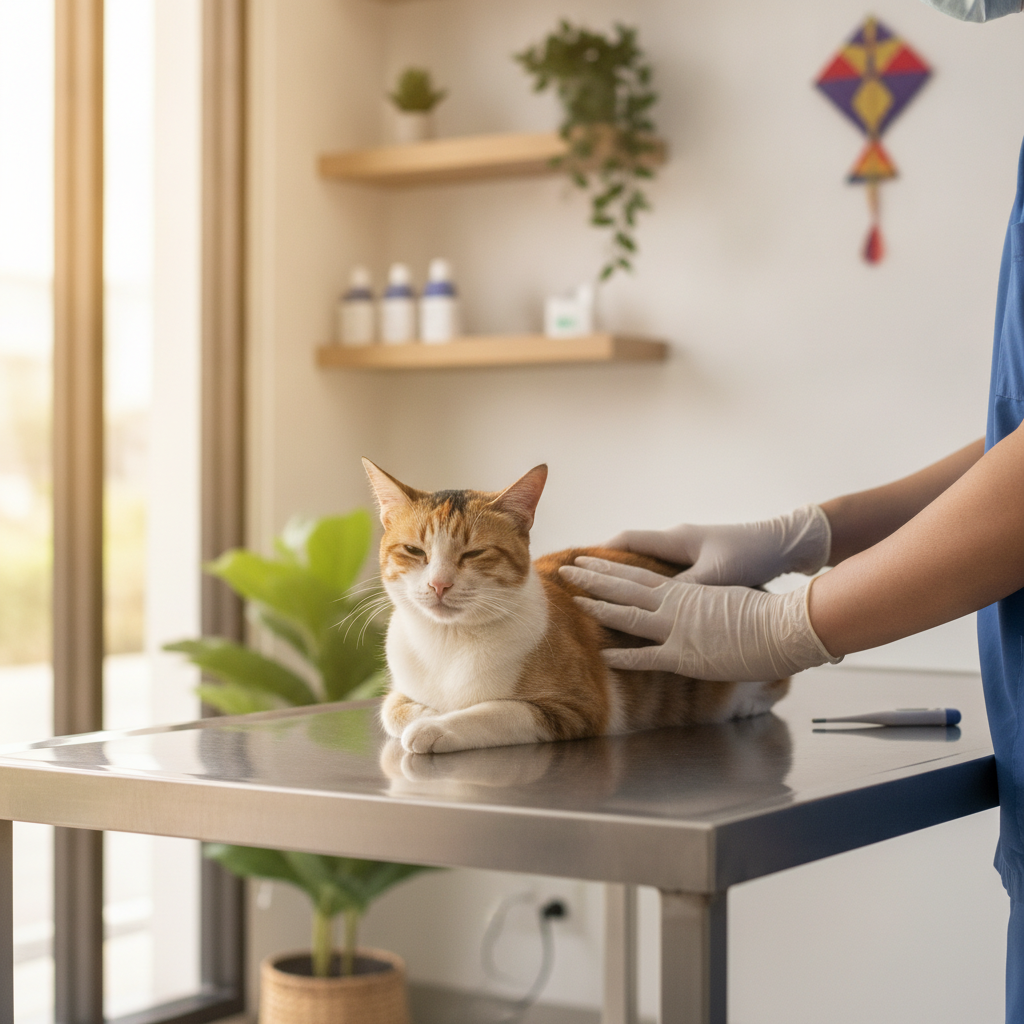
Vaccines train the immune system, but day-to-day vigilance is what catches problems early. Mild post-vaccine drowsiness or a tender injection site for a day is normal; persistent vomiting, facial swelling or lethargy is not — call your vet. For the bigger picture of what's abnormal, keep our list of 12 warning signs your cat is sick handy.
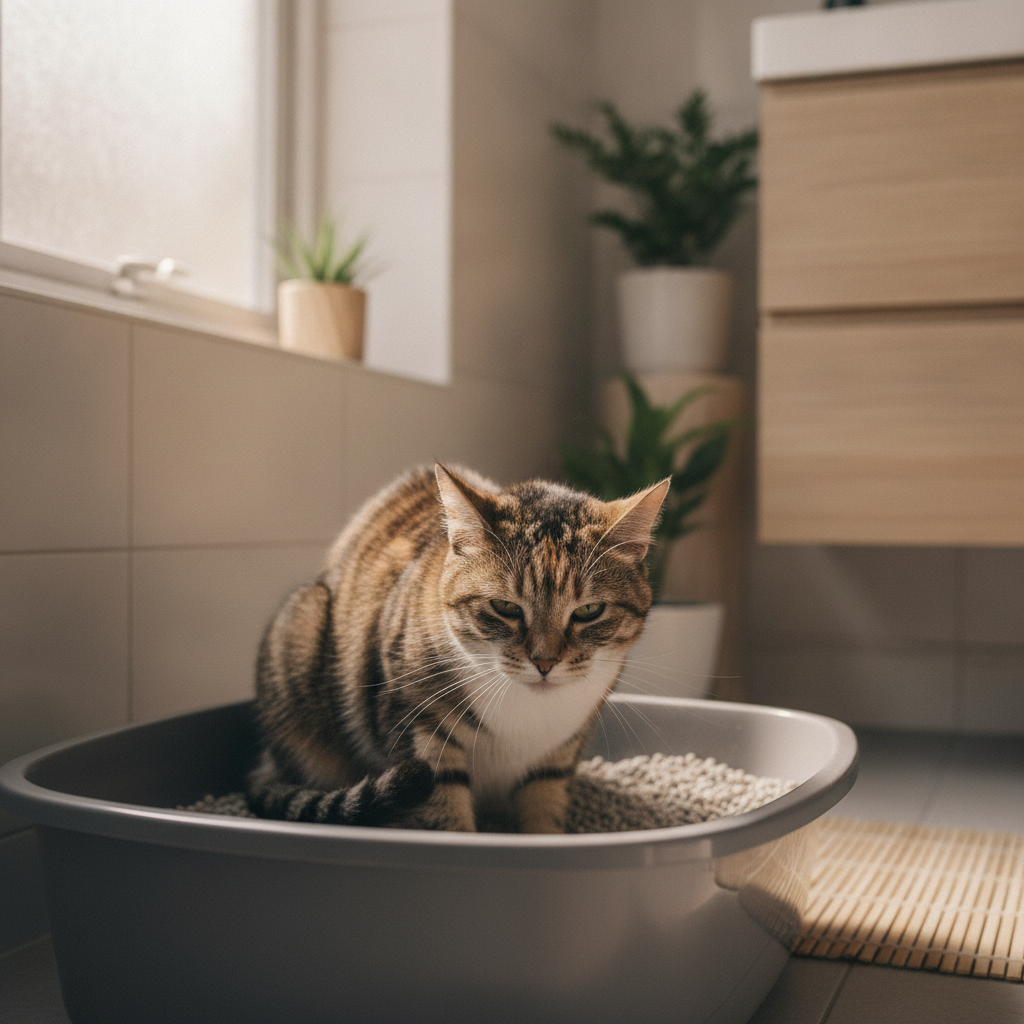
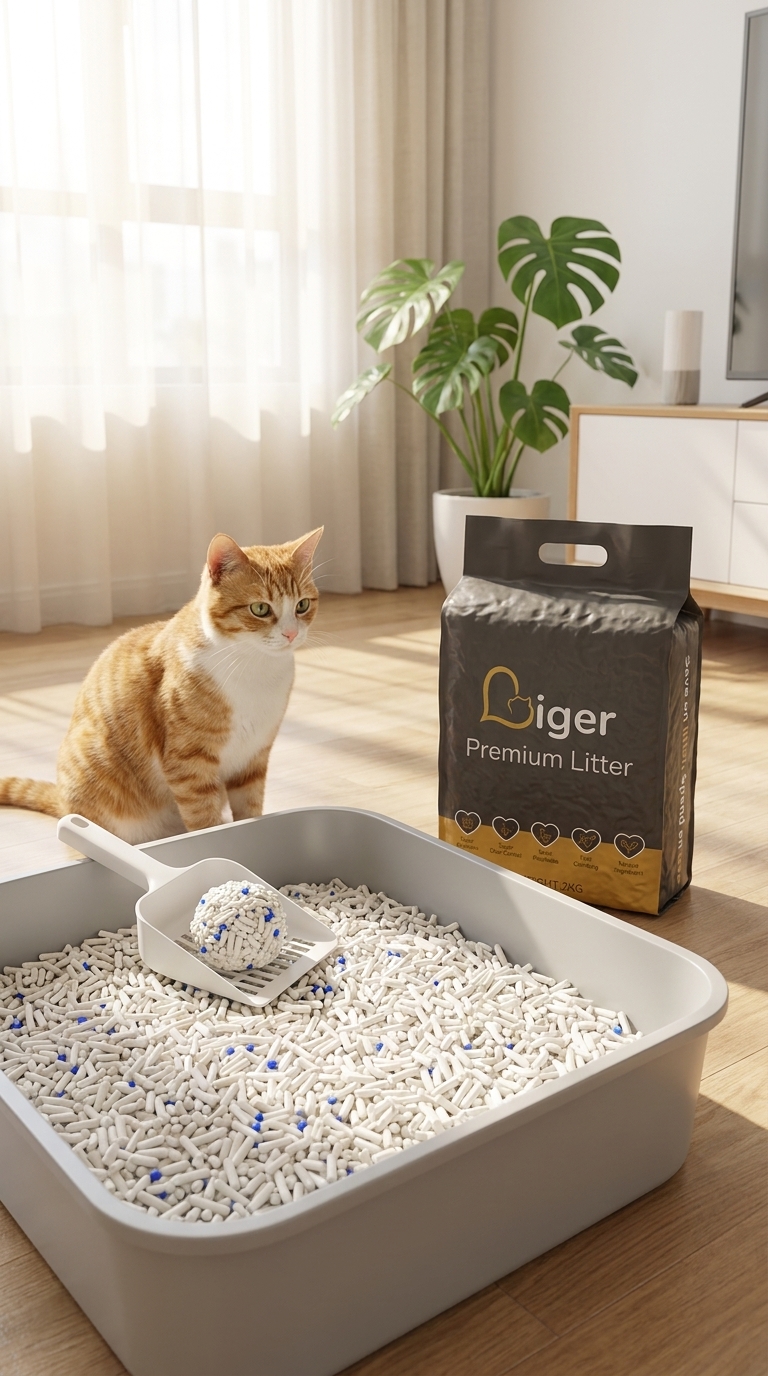
One of the most reliable early-warning systems sits in plain sight: the litter box. Vaccines prevent the viral diseases, but conditions like panleukopenia first show up as changes in stool, while many illnesses change urine volume or frequency long before a cat "looks" sick. That's far easier to spot with a clean, low-dust, well-clumping litter where you can actually see what your cat is producing. We use Liger Premium Tofu Cat Litter in our own multi-cat home for exactly this reason — the soft, natural soybean pellets clump firmly so daily scooping doubles as a quick health check, and the low dust is gentler on the airways of cats prone to herpes/calicivirus respiratory flare-ups. A 2kg pack is RM21.90, scaling to RM169 for the 10-pack (RM8.45/kg) with free shipping in Peninsular Malaysia (current Liger pricing, as of May 2026). Work out how much your household needs with the litter calculator, or compare dust levels using our dust comparison tool.
Vaccination, deworming and parasite control are a package, not isolated tasks. Once the shots are sorted, line up a deworming schedule and, for kittens, follow the full first-year health timeline so nothing slips through the cracks.
The Bottom Line
Build the plan around three ideas: finish the kitten series (don't stop at one shot), add the new 6-month booster, and tailor adult boosters to lifestyle rather than defaulting to "every year". In Malaysia, treat rabies as core wherever you live and take FeLV seriously given the ~12% local prevalence. Then partner with a vet you trust — these guidelines are a strong foundation, but your cat's age, health and lifestyle decide the final schedule.