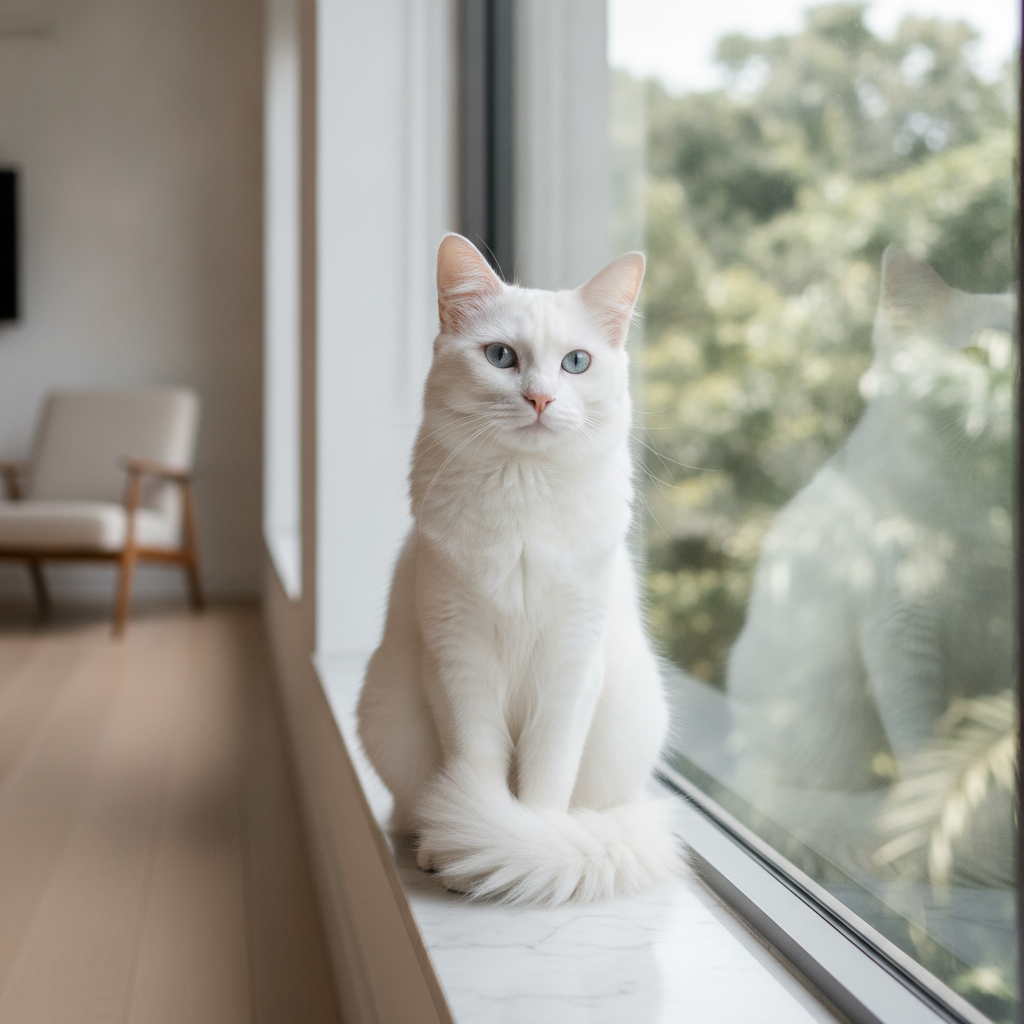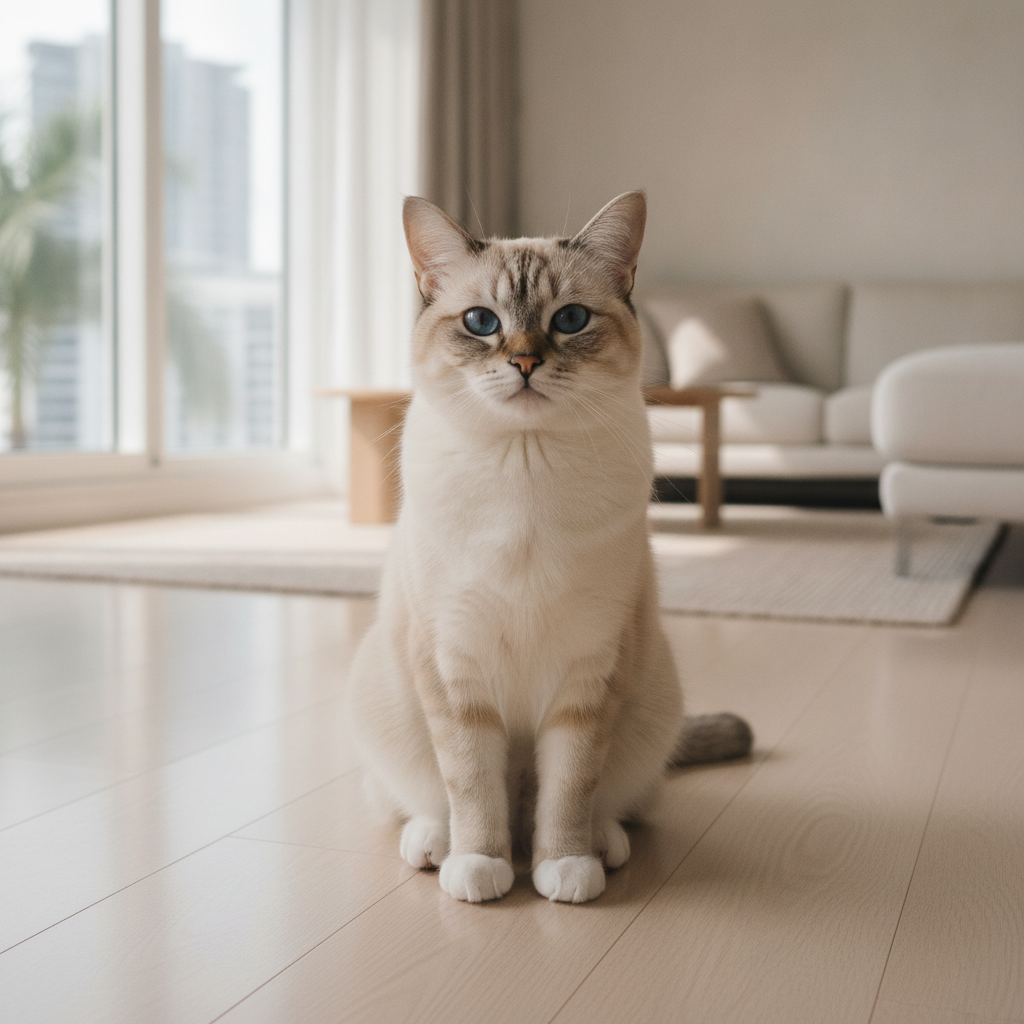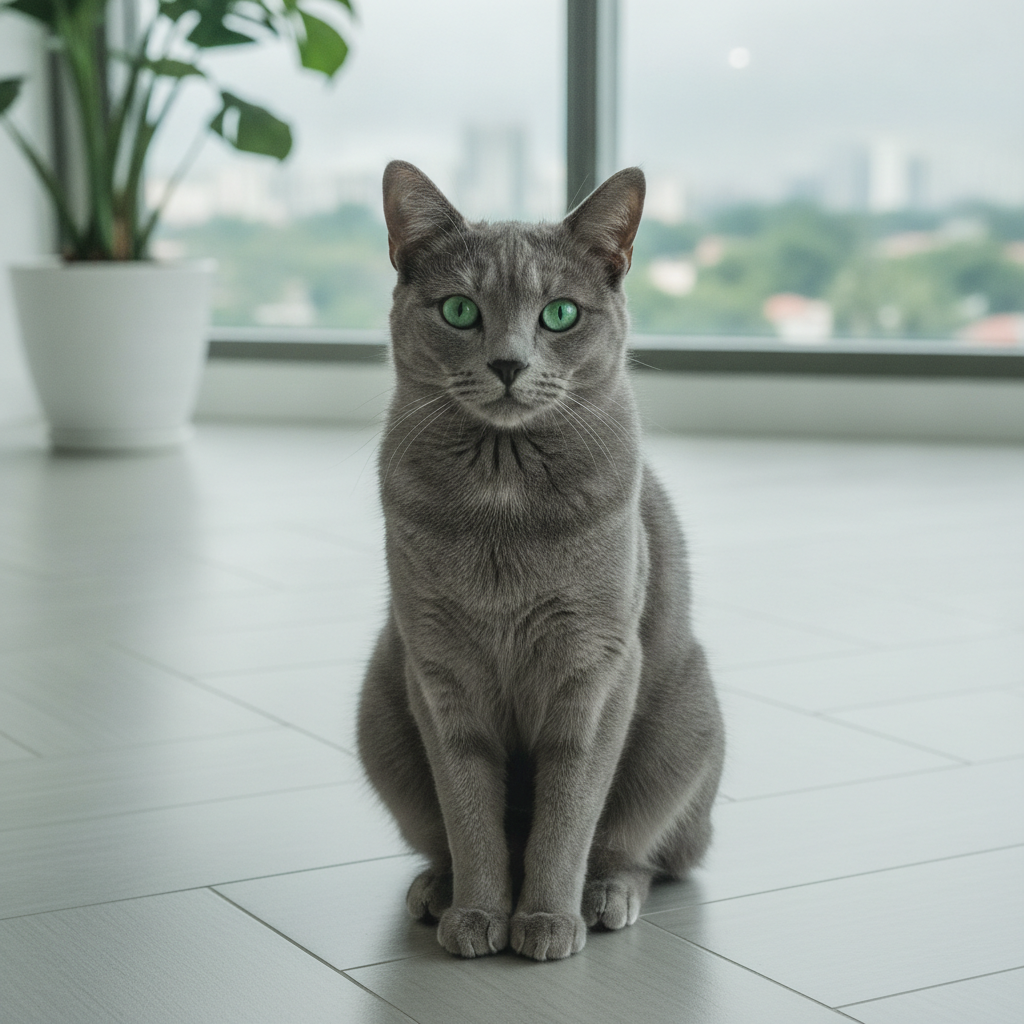
If you have ever spotted a large, floppy, teddy-bear cat on social media and wondered whether it was a Ragdoll or something else entirely, there is a good chance it was a Ragamuffin. The two breeds share a common ancestor and a famously mellow personality, which is why the confusion is understandable. But they are officially separate breeds with real differences in coat colours, eye colour rules, and history. This guide covers everything Malaysian owners need to know: where the Ragamuffin actually came from, how big it gets, what that glorious plush coat demands in our humidity, the health risks to watch for, and what it will cost to bring one home.
Still deciding which breed suits your home? Start with our complete 2026 guide to cat breeds in Malaysia, then come back here once the Ragamuffin has caught your eye.
Ragamuffin vs Ragdoll: The Confusion Explained
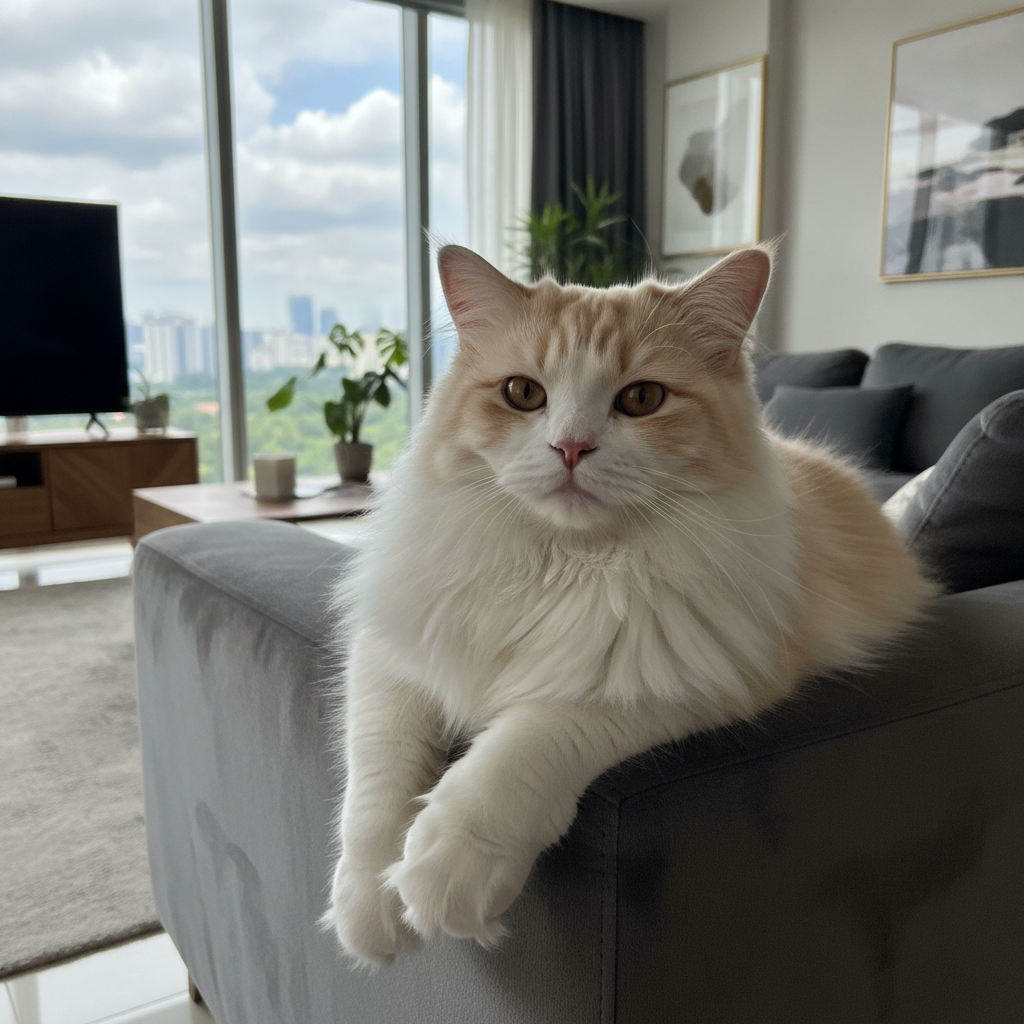
The Ragamuffin and the Ragdoll are not the same breed, but they share the same grandmother. To understand why, you need to know the story of Ann Baker and her International Ragdoll Cat Association (IRCA).
Baker developed the original Ragdoll in the 1960s in Riverside, California, starting from the kittens of a longhaired white cat named Josephine. She trademarked the "Ragdoll" name and ran her IRCA registry with iron control: breeders had to pay franchise fees, sign restrictive contracts, and were forbidden from registering their cats with mainstream bodies like the CFA or TICA. By the early 1990s, frustration had hit a breaking point. In 1994, a group of IRCA breeders walked away and set up their own breed. Because Baker owned the "Ragdoll" trademark, they could not use it. They drew their foundation animals from Baker's broader "Cherubim" cat lines, a term Baker used for several varieties she was developing that included a much wider palette of colours and patterns than the pointed-only Ragdolls. As Baker had also trademarked "Cherubim," founder Curt Gehm suggested "Ragamuffin" as a playful nod to the breed's humble street-cat roots. The name stuck.
So how do you tell them apart today? The key differences are colour and pattern rules, and eye colour. Ragdolls are pointed cats only — they always have the lighter body with darker face, ears, legs, and tail, like a Siamese. Their eyes are always blue. Ragamuffins, by contrast, accept every colour and pattern with or without white, except pointed colours, according to the CFA Ragamuffin breed standard. Their eye colour can be any shade, so you can have a walnut-eyed Ragamuffin in solid black, tortoiseshell, tabby, or a bicolour mix. The CFA granted the Ragamuffin championship status in 2011, cementing it as a fully distinct breed from the Ragdoll it descended from.
A Gentle Giant That Takes Four Years to Grow Up
The Ragamuffin is one of the largest domestic cat breeds, but its growth is slow, which catches new owners off guard. According to Wikipedia's Ragamuffin breed entry, males typically weigh between 15 and 20 pounds (roughly 6.8 to 9.1 kg), with some individuals going heavier. Females are more moderate at 10 to 15 pounds (4.5 to 6.8 kg). The catch: these cats do not reach full size and coat maturity until they are approximately four years old. That fluffy kitten you bring home will keep filling out for years, which also means the obesity risk that comes with a large, indoor, docile cat is something to manage from day one.
The body structure is substantial: broad chest, heavily muscled hindquarters, large round tufted paws, and back legs slightly longer than the front. One distinctive feature permitted by the breed standard is a fatty pad on the lower abdomen, which is a normal characteristic and should not be confused with actual obesity. The face is a broad, rounded modified wedge with a sweet expression, puffy whisker pads, and the CFA notes a subtle dip or scoop on the profile rather than a sharp break. The large walnut-shaped eyes set wide apart are what gives the breed that famous "teddy-bear" look that melts everyone in the room.
This is not a breed suited to outdoor life in a KL or Penang condo block, and not just because of traffic. Ragamuffins are famously trusting and lack the street-smart wariness that keeps most cats out of trouble. They would happily walk up to a strange dog or person without hesitation. Vets and breed experts uniformly recommend keeping them strictly indoors, which in our climate means a cooled, managed environment. Check our guide to the best cat breeds for Malaysian apartments to see how the Ragamuffin compares with other apartment-friendly choices.
The Plush Rabbit-Like Coat: What You Are Signing Up For
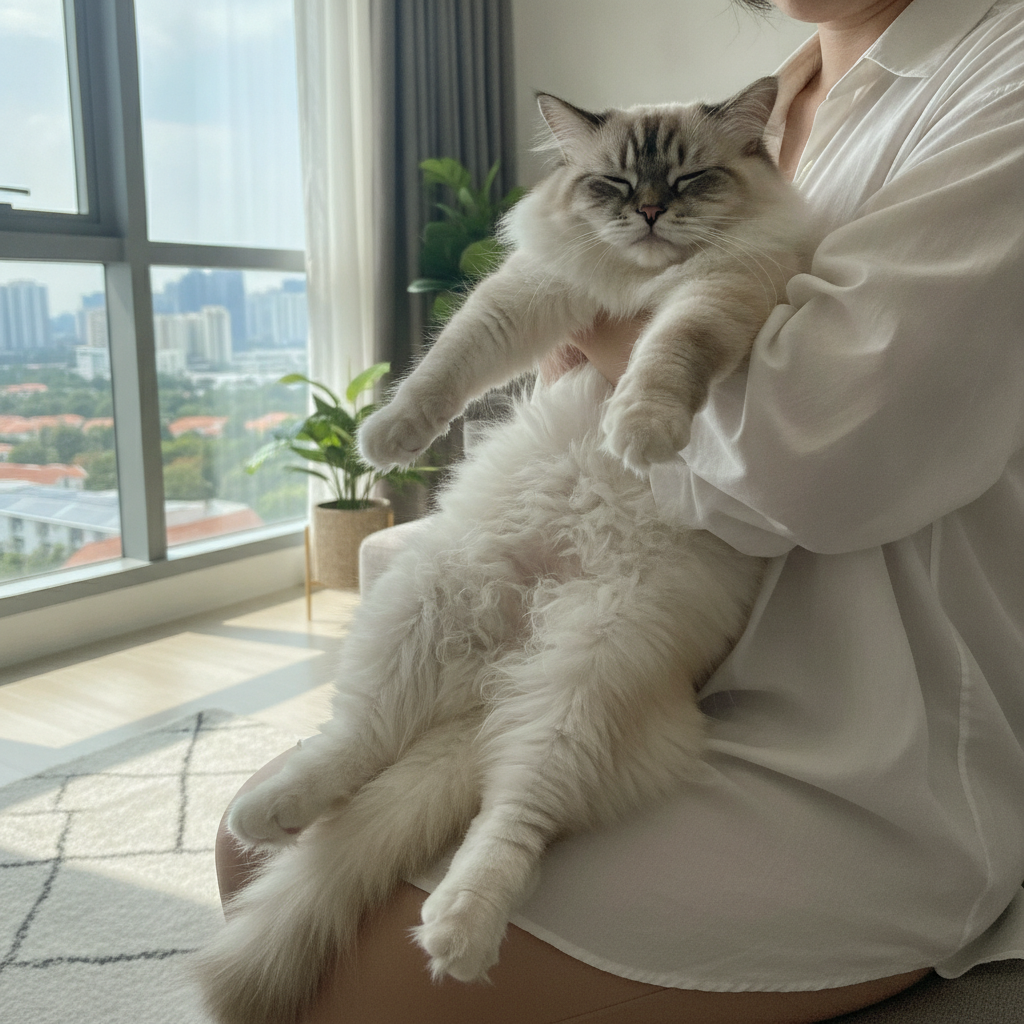
The Ragamuffin's coat is the breed's showpiece. The fur is medium to medium-long, dense, and has a silky texture frequently compared to that of a rabbit. It is slightly longer around the neck forming a ruff, and longer at the back of the hind legs forming what breeders call "britches." Despite its density, the coat has one gift for owners: it is characteristically resistant to matting. Unlike a Persian or a Maine Coon, the silky texture means tangles are less likely to form. This makes the Ragamuffin a manageable longhaired cat rather than a high-maintenance one.
That said, "manageable" in a tropical country like Malaysia still means real work. Brushing two to three times a week with a stainless steel comb followed by a soft slicker brush is recommended to remove loose undercoat, prevent hairballs, and allow air circulation to the skin in our humidity. The Ragamuffin's dense coat can trap moisture against the skin in 80-90% relative humidity, and skipping grooming sessions is the fastest route to skin irritation. During seasonal shedding spells, daily brushing becomes necessary. The one thing you should not do is shave the coat thinking it will help with the heat: the fur acts as a natural insulator and sun barrier, and removing it can cause more harm than good.
Hairballs are the other coat-related concern. A cat that sheds a dense plush coat will inevitably ingest loose fur during self-grooming. Regular brushing is the primary defence, but a fibre-rich diet and good hydration help the swallowed fur pass through the digestive tract instead of forming a blockage. If your Ragamuffin is hacking up hairballs more than once or twice a month, it is worth a vet visit to rule out a partial obstruction.
The Quintessential Lap Cat: Temperament and Social Needs
If the coat is the Ragamuffin's showpiece, the temperament is its soul. The breed is intentionally cultivated to be a "lap cat" in the most literal sense: these cats go completely limp when held, relaxing into your arms like a warm, purring sandbag. This is the floppy trait inherited from the Ragdoll side of the family tree, and it is the reason both breeds are described as "teddy-bear cats." The Ragamuffin's disposition is consistently described as docile, sweet-natured, and patient, making it exceptional with children and tolerant of other pets.
The "puppy-like" label is deserved. Ragamuffins follow their owners from room to room, greet you at the front door, and can be taught to play fetch or walk on a leash. Their intelligence and eagerness to please make them more trainable than the average cat, and they communicate with soft chirps and trills rather than loud demands. However, that same social devotion comes with a real downside: Ragamuffins handle solitude poorly. Breed experts note they are a poor fit for households where the cat would be alone for eight or more hours daily. If you work long office hours and live alone, a companion cat, or at minimum a lot of enrichment, is not optional but necessary for this breed.
Their energy level is low to moderate, which suits condo living well. Two play sessions of 10-15 minutes a day with a wand toy provides the mental stimulation they need without demanding the wall-running antics of a Bengal. The lifespan is typically 12 to 16 years or more with good care, which is a significant commitment. See how that compares with other breeds in our cat lifespan by breed in Malaysia guide.
Keeping a Plush Coat Healthy in Malaysian Humidity
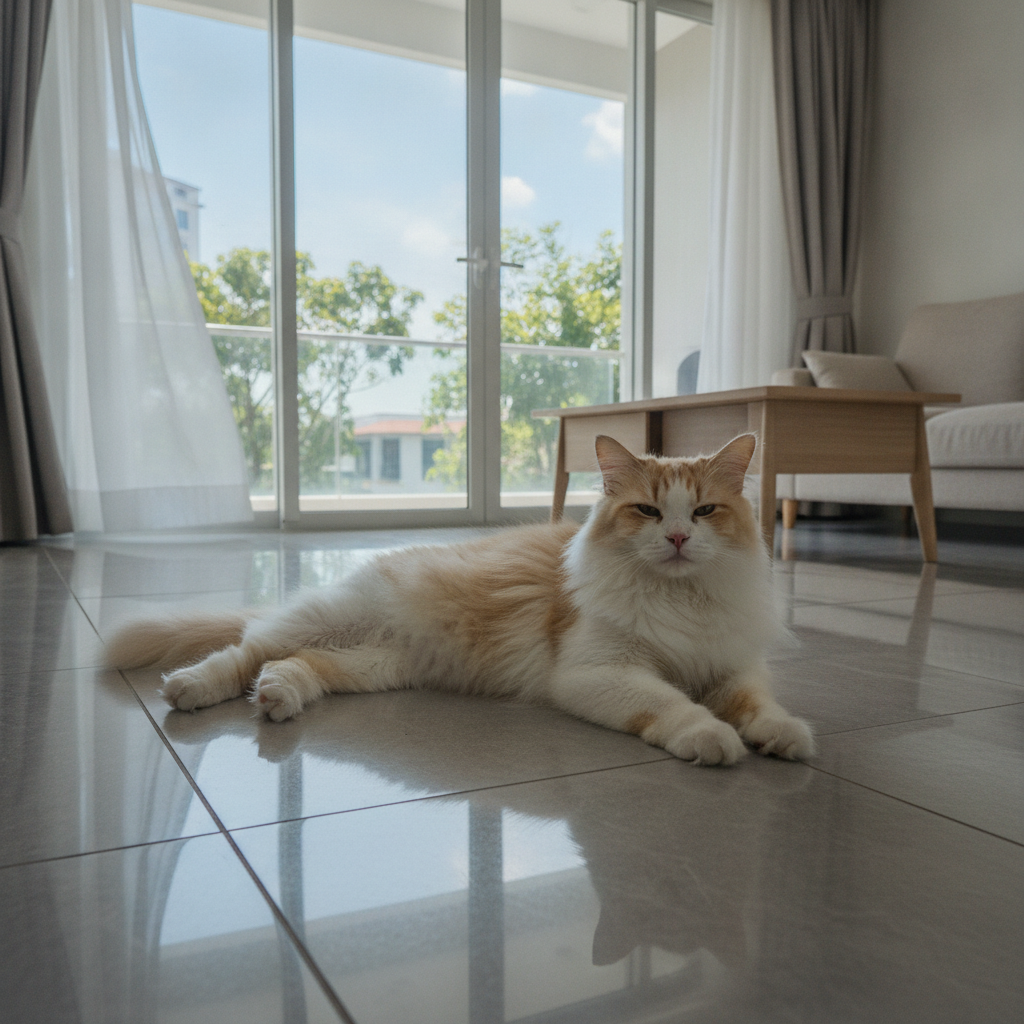
Managing a large, dense-coated breed in tropical Malaysia requires deliberate planning across three areas: temperature control, hydration, and parasite prevention.
Temperature first. The Ragamuffin must live indoors, and in Malaysia's 28-35 degrees Celsius heat, air conditioning is not a luxury for this breed, it is a health necessity. Access to cool tile floors gives the cat a way to self-regulate body temperature when needed. Drawing curtains during the hottest hours and ensuring good air circulation matter even in air-conditioned spaces, as cats often seek out enclosed spots like wardrobes that can become hot pockets. Watch for early heatstroke signs: a Ragamuffin going unusually quiet and pressing itself flat on a cool floor is sending a signal. Panting, drooling, and red or pale gums are emergencies requiring immediate vet contact.
Hydration is the second pillar. Cats have a naturally low thirst drive, which becomes a problem in the heat. Wet food, with its up to 80% moisture content, should form part of the daily diet. Multiple water bowls placed around the home, changed at least twice a day, help. A pet water fountain is genuinely useful because moving water attracts cats to drink more. Ice cubes made from plain water or cat-safe low-sodium broth are a simple way to add hydration on a hot afternoon.
Third: year-round parasite prevention. Malaysia's climate means fleas, ticks, and intestinal worms are not seasonal problems but permanent ones. Even a fully indoor Ragamuffin is at risk from parasites that hitch a ride in on shoes, bags, or through window screens. Monthly topical treatments or vet-recommended oral preventives are non-negotiable. Skipping prevention is a false economy when a flea infestation in a sealed condo is genuinely difficult to clear.
Litter Choice for an All-Indoor Plush-Coated Cat
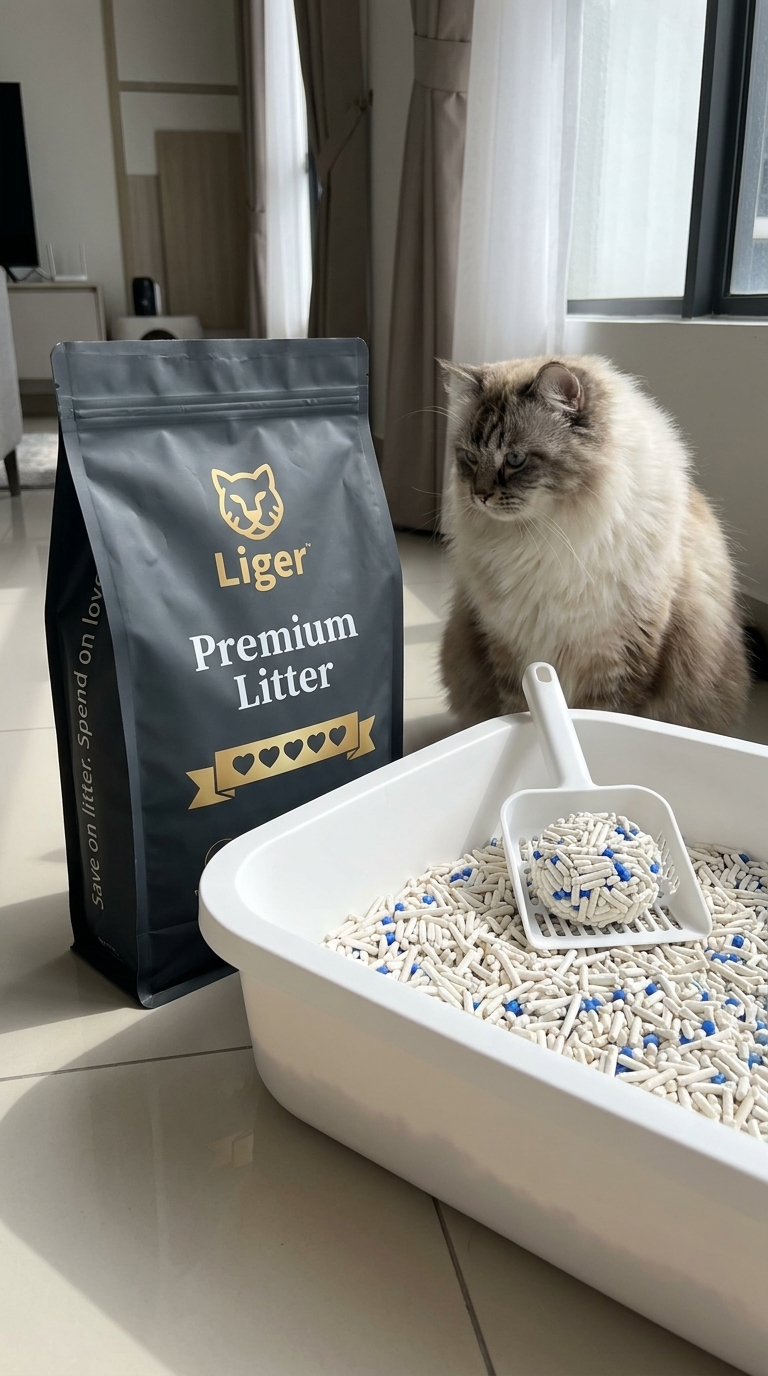
A cat this large, living exclusively indoors in a sealed, air-conditioned condo, produces a meaningful volume of waste every day. Litter quality matters more than people expect for an indoor-only breed. Low dust is the critical spec: airborne litter particulate is a respiratory irritant in a closed room, and a cat that buries waste in a dense cloud of talc-like dust is inhaling it every time. For a plush-coated cat, dust that settles into the coat is also harder to groom out.
Liger Premium Tofu Cat Litter is a soy-based, naturally clumping, low-dust, flushable litter that suits the Ragamuffin's all-indoor lifestyle well. It clumps firmly for quick scooping, which matters when a 9 kg cat is using the box multiple times a day. The natural tofu base produces minimal airborne dust, and flushing the clumps is a clean, low-effort disposal method for condo owners without garden access.
Current 2026 Liger pricing: RM21.90 for a single 1/2 kg pack, RM53.90 for 3 packs, RM89 for 5 packs, and RM169 for the 10-pack (20 kg total), which works out to just RM8.45 per kg with free shipping to Peninsular Malaysia. For a large Ragamuffin, the 5-pack or 10-pack is the practical choice. To work out your exact monthly usage based on your cat's size and how many cats you have, run our litter calculator.
Health Risks: HCM, PKD and What to Ask Your Breeder
The Ragamuffin's greatest vulnerability is genetic, and it comes directly from its Ragdoll ancestry. There are two primary hereditary conditions to understand before buying.
Hypertrophic Cardiomyopathy (HCM) is the most common heart disease in cats, and Ragamuffins share the Ragdoll's predisposition to a mutation in the MYBPC3 gene linked to HCM. The condition causes the heart muscle walls to thicken, reducing the heart's efficiency and potentially leading to congestive heart failure or fatal blood clots. The particularly cruel aspect, as the Cornell Feline Health Center explains, is that many cats are completely asymptomatic until the disease is well advanced. The gold standard for detection is an echocardiogram performed by a veterinary cardiologist. A DNA test for the known mutation is also available. For cats that test positive for the gene, annual echocardiogram screening starting at two to three years of age is the recommended protocol.
Polycystic Kidney Disease (PKD) is the second concern. An inherited disorder that causes fluid-filled cysts to develop on the kidneys, PKD grows slowly and symptoms such as increased thirst, weight loss, and lethargy often do not appear until middle age, by which point significant kidney damage may have occurred. According to the Cornell Feline Health Center's PKD guide, a definitive DNA test can identify carrier cats, allowing breeders to remove the gene from their lines. An abdominal ultrasound can detect cysts in cats over 10 months old.
The practical implication for Malaysian buyers is this: ask every breeder for documented proof of HCM and PKD screening for both parents before you commit. Reputable breeders screen their breeding cats as standard practice. Also note the PetMD overview of feline HCM flags that obesity compounds cardiac risk, so managing your Ragamuffin's weight from the start is doubly important for this breed. Build annual vet checks and a realistic health budget into your ownership plan from day one.
What a Ragamuffin Costs in Malaysia (2026)
Ragamuffins are genuinely rare in Malaysia. Unlike British Shorthairs or Persians, which have established local breeding communities, the Ragamuffin has a small footprint in the region. Finding a reputable local breeder takes research, and waiting lists are not unusual. As rough 2026 market guidance (not Liger figures), a registered Ragamuffin kitten from a health-screened breeder in Malaysia typically falls in the RM2,500 to RM6,000 range, with show-quality lines and rarer colour patterns pushing toward the top of that range. Be cautious of "Ragamuffin" kittens priced well below this; they are frequently unregistered longhaired crosses sold under the Ragamuffin name.
The purchase price is the smallest number in the lifetime equation. Factor in quality high-protein food for a cat that will eat like a large cat (because it is one), year-round parasite prevention, annual echocardiograms once the cat reaches screening age, and occasional specialist vet costs. The Ragamuffin's typical lifespan of 12 to 16 years makes this a decade-plus financial commitment. Use our cat breed cost calculator to build a realistic budget and see how the Ragamuffin compares with other breeds in our 2026 cat breed price guide. For those considering the Ragdoll as an alternative, our Ragdoll guide for Malaysia covers that breed's costs, health profile, and care needs side by side.
Buy from a breeder who screens for HCM and PKD, commit to a cool indoor environment with consistent grooming, manage the weight carefully, and give this gentle giant the social attention it genuinely needs. Do that, and the Ragamuffin will reward you with up to 16 years of spectacularly affectionate, floppy-cat companionship.