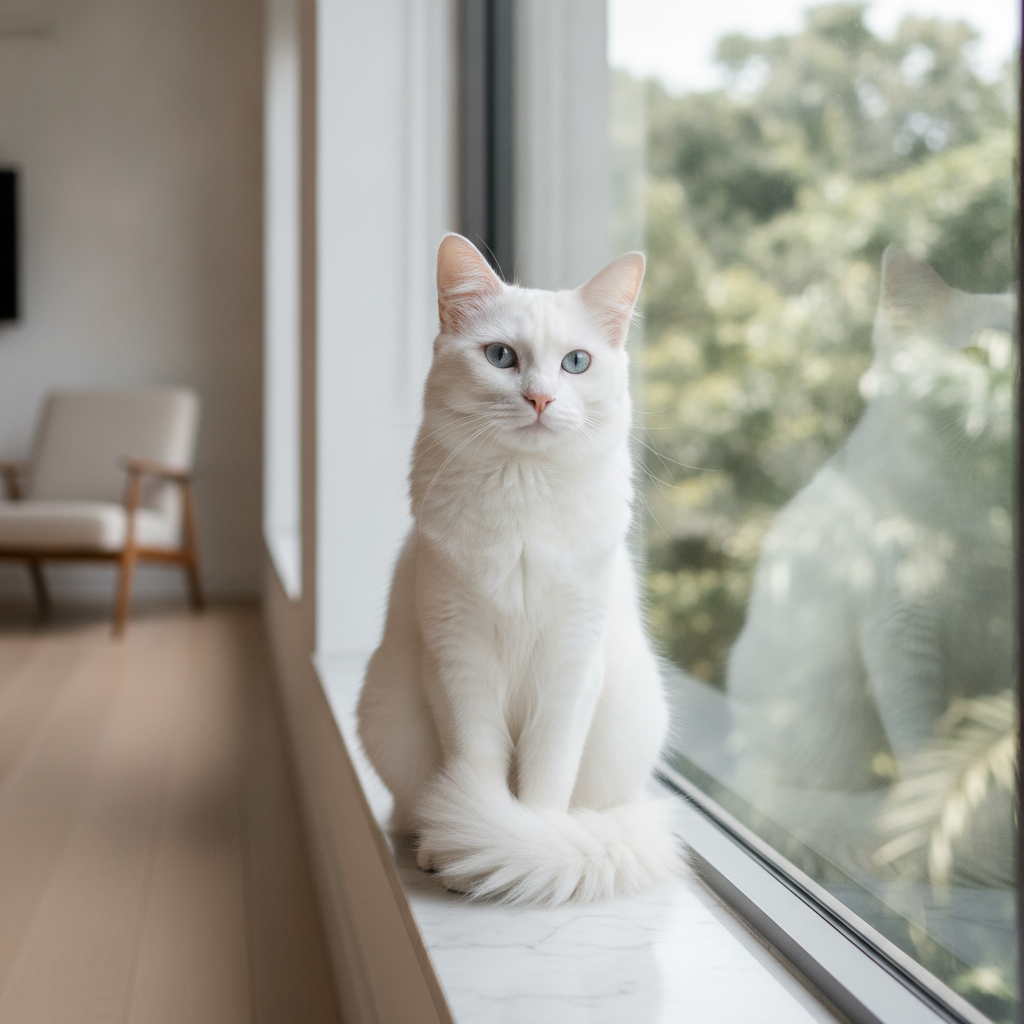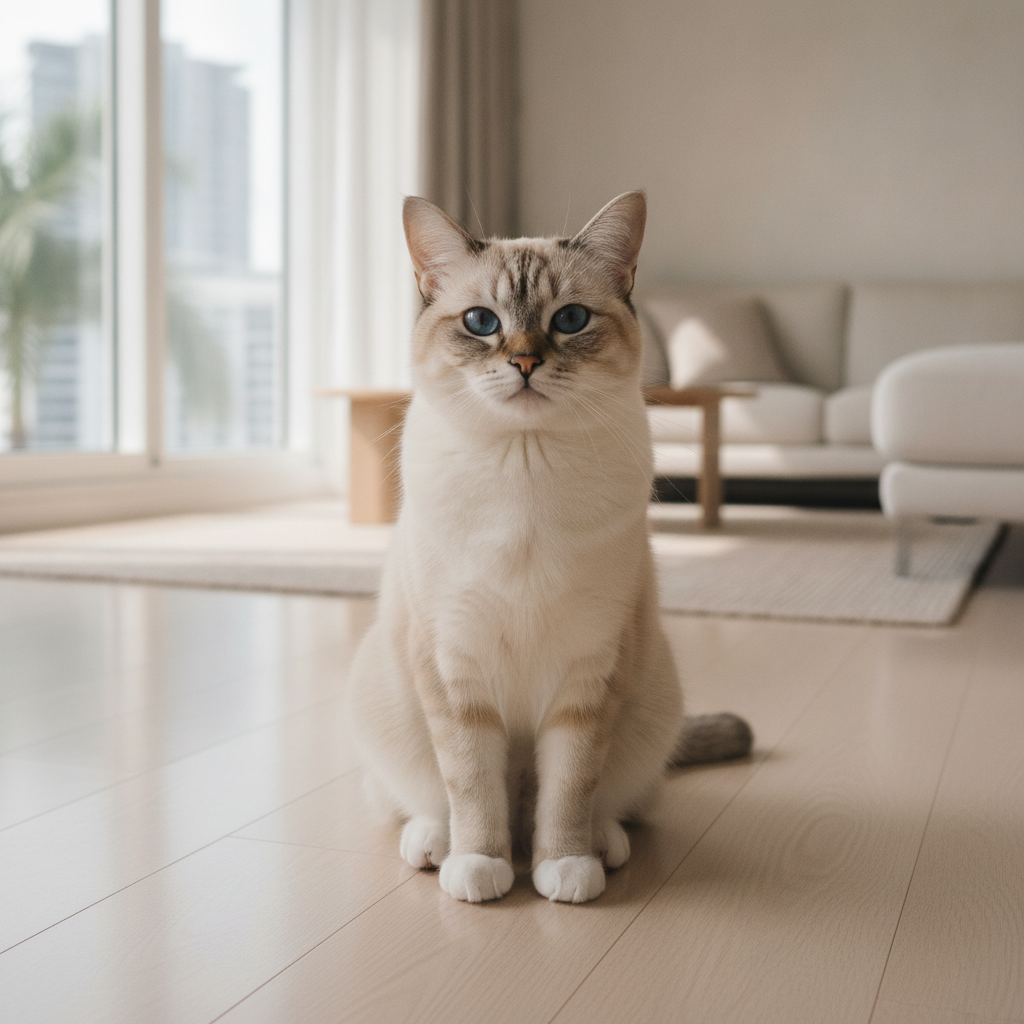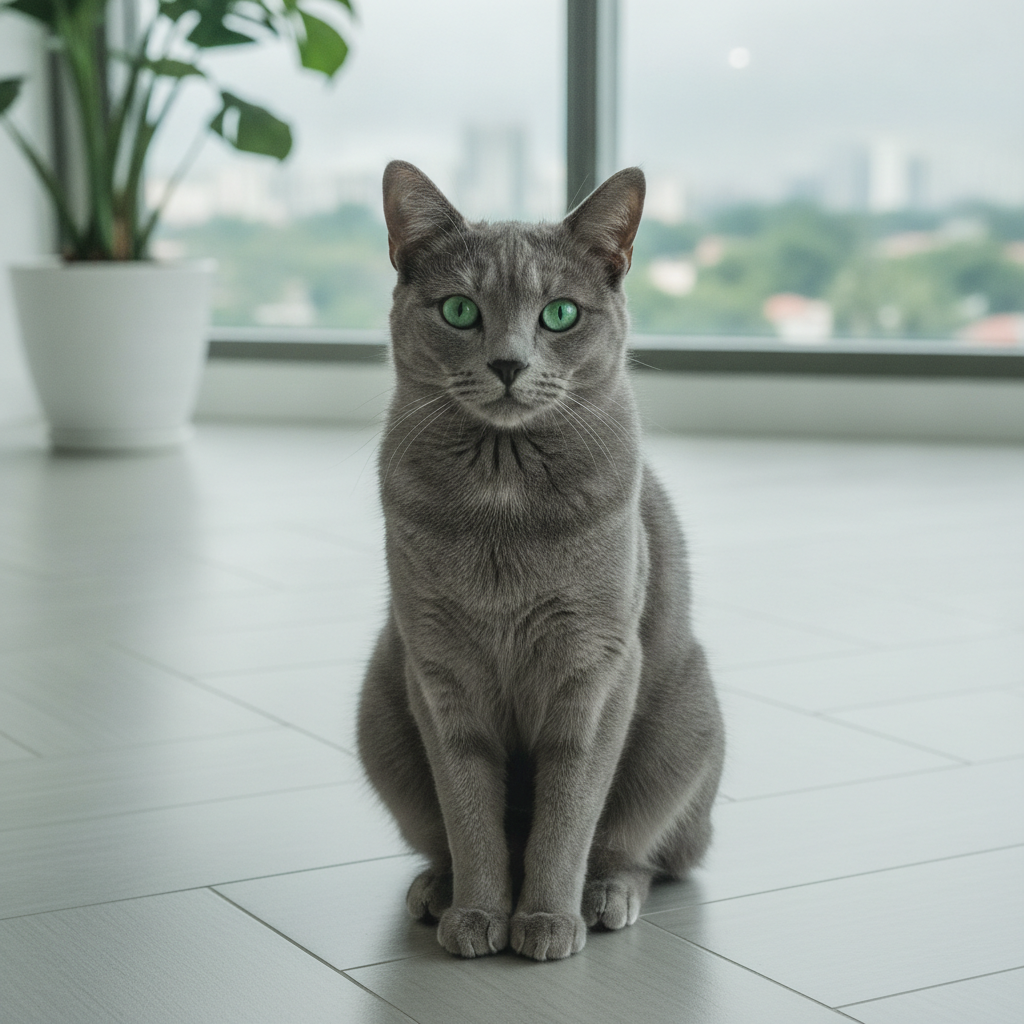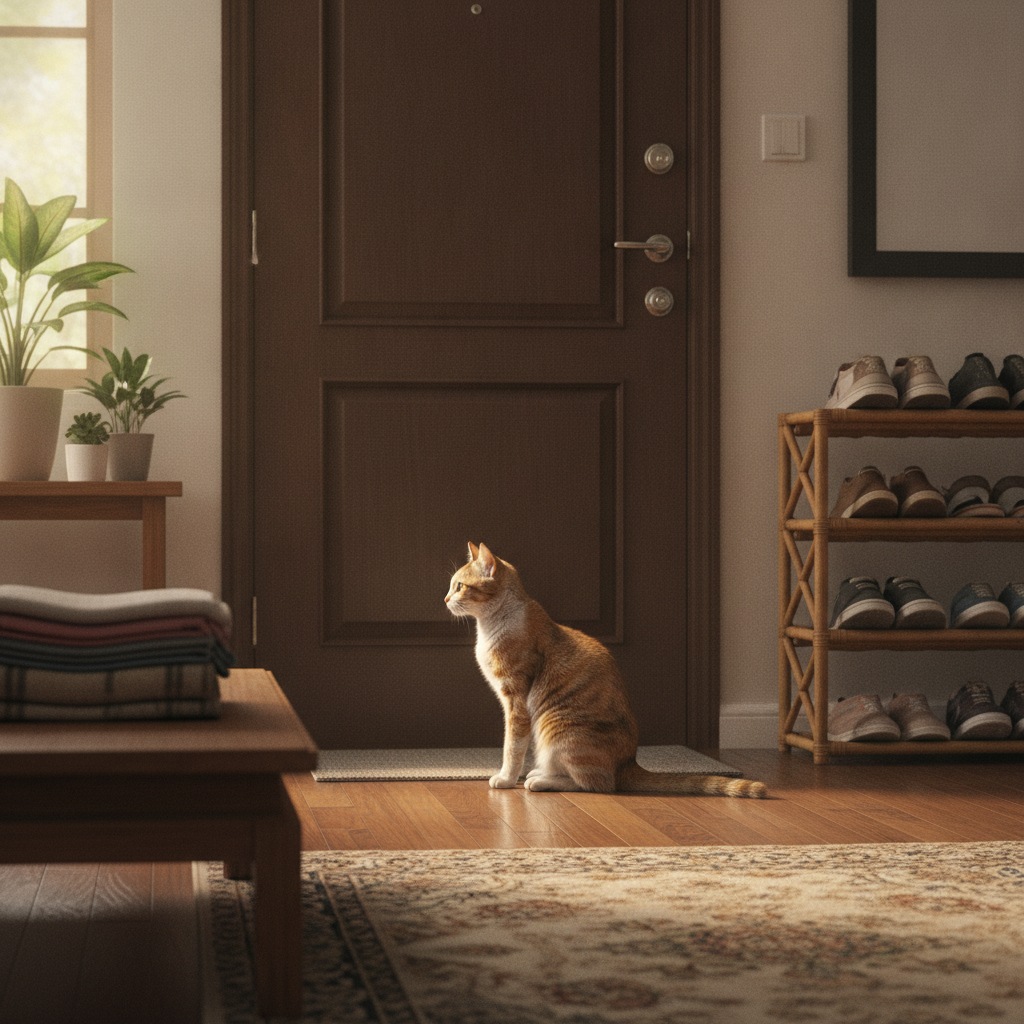
It takes one second. The Grab driver knocks, you crack the door to grab your parcel, and a streak of fur is gone down the corridor. For an indoor cat that has never crossed a road or met a stray, the outside world is not freedom — it is a maze of dangers it has no idea how to survive. Door-dashing is one of the most common and most frightening things that happens to Malaysian cat parents, and the good news is that almost all of it is preventable.
This guide covers why cats bolt, how to train and barrier-proof your home, and exactly what to do in the first 48 hours if your cat does get out. It is part of our cat home safety guide for Malaysian condos, alongside our pieces on window and high-rise safety and balcony cat-proofing.
Why Indoor Cats Try to Escape
Escape attempts are almost never about an unhappy home. They are instinct. Even a spoiled condo cat carries the wiring of a small wild predator, and three urges push it toward the door:
- Territory. A cat sees the corridor and the world beyond the window as land it should be patrolling and defending.
- Hunting. A gecko, a bird, a moth — the predatory drive fires regardless of whether the cat is hungry, and it is strongest at dawn and dusk.
- Mating. This is the big one. An unneutered cat is governed by hormones that will drive it to bolt and roam for kilometres in search of a mate.
That last point is also the easiest fix. The American Veterinary Medical Association notes that spaying or neutering is one of the single most effective ways to kill the urge to roam. A fixed cat from Ohio State's Indoor Pet Initiative is far less driven to escape — and in Malaysia, where free-roaming toms face traffic and disease, that one decision protects your cat enormously.
Train the Door-Dash Out of Your Cat
You can teach a cat that the door is boring and the inside is where good things happen. The most effective method, recommended by shelters like the Humane Society of Huron Valley, is station training:
- Pick a "station" away from the door — a cat tree, mat or perch. Make it the best spot in the house with treats and toys.
- Reward your cat the instant it goes there, then add a cue word like "place".
- Slowly add the trigger — touching the doorknob, opening the door a crack — rewarding the cat for staying put.
Two more habits help enormously. First, stop greeting your cat at the door; set up a "hello and goodbye" spot deeper inside and reward there, so the entryway loses its excitement. Second, as a failsafe during training, toss a handful of treats away from the door as you come and go — it redirects the cat every single time. A strip of aluminium foil or a nubby mat near the threshold also gently discourages lurking.
Enrich So They Do Not Want to Leave
A bored cat is an escape-prone cat. The single biggest reason a cat fixates on the door is that the inside is dull. Fix that and the motivation to bolt fades on its own. Give your cat height (cat trees, wall shelves, a window perch to watch birds), make it hunt for food with puzzle feeders instead of a bowl, and play with a wand toy daily to burn predatory energy. Our indoor enrichment guide for condos is built around exactly this, and a properly secured balcony (see the link above) gives the outdoor sights and smells without the risk.
Physical Barriers: Grilles, Screens and Airlocks
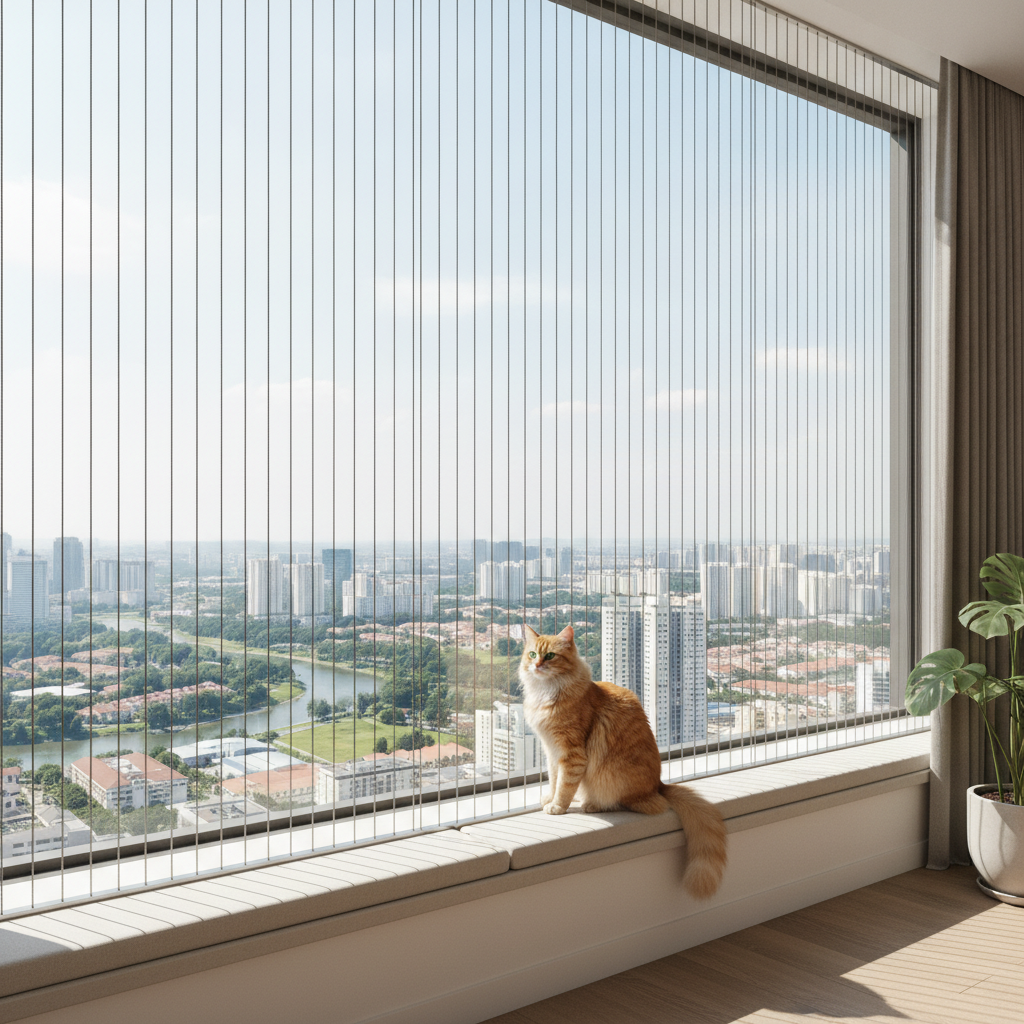
Training is layer one; physical barriers are the layer that catches the inevitable lapse. Malaysians actually have an advantage here, because grilles are part of how we build.
- Window and balcony grilles. Most flats already have them — use them. The increasingly popular "invisible grille" (tensioned stainless-steel cables) keeps the view while staying cat-secure, as long as the cable gap is no wider than about 2 inches (5 cm). For traditional bar grilles with wider gaps, line them with pet mesh.
- Pet-proof screens. A standard insect screen is shredded in seconds. Reinforced vinyl-coated polyester pet screens are up to seven times stronger and resist claws and tearing — a worthwhile swap on any window your cat can reach.
- An airlock at the front door. The most effective anti-dash trick is a two-gate buffer: a tall pet gate or a tension-mounted screen a metre inside the front door, so the cat is contained in a little vestibule before the outer door ever opens. Low-cost, hugely effective, and renter-friendly.
None of this needs to be expensive. A pet gate and a roll of pet mesh cost far less than a single emergency-vet bill for a cat hit by a car.
The Safety Net: Microchip and ID
No barrier is perfect, so prepare for the day one fails. This is where the numbers become impossible to argue with. According to data published in the Journal of the American Veterinary Medical Association and summarised by the Animal Rescue League of Boston, microchipped cats are returned to their owners more than 20 times as often as unchipped cats — a 38.5% return-to-owner rate versus just 1.8% without a chip.
A microchip is a rice-grain-sized RFID tag placed under the skin in a quick, vaccination-like jab. But the chip is useless if the registration is out of date, so two rules: chip your cat (any Malaysian vet does it), and keep your phone number current in the registry. Pair the chip with a breakaway collar and ID tag for instant, scanner-free contact. The chip is the permanent backup; the tag is the quick win.
If Your Cat Does Get Out: The First 48 Hours
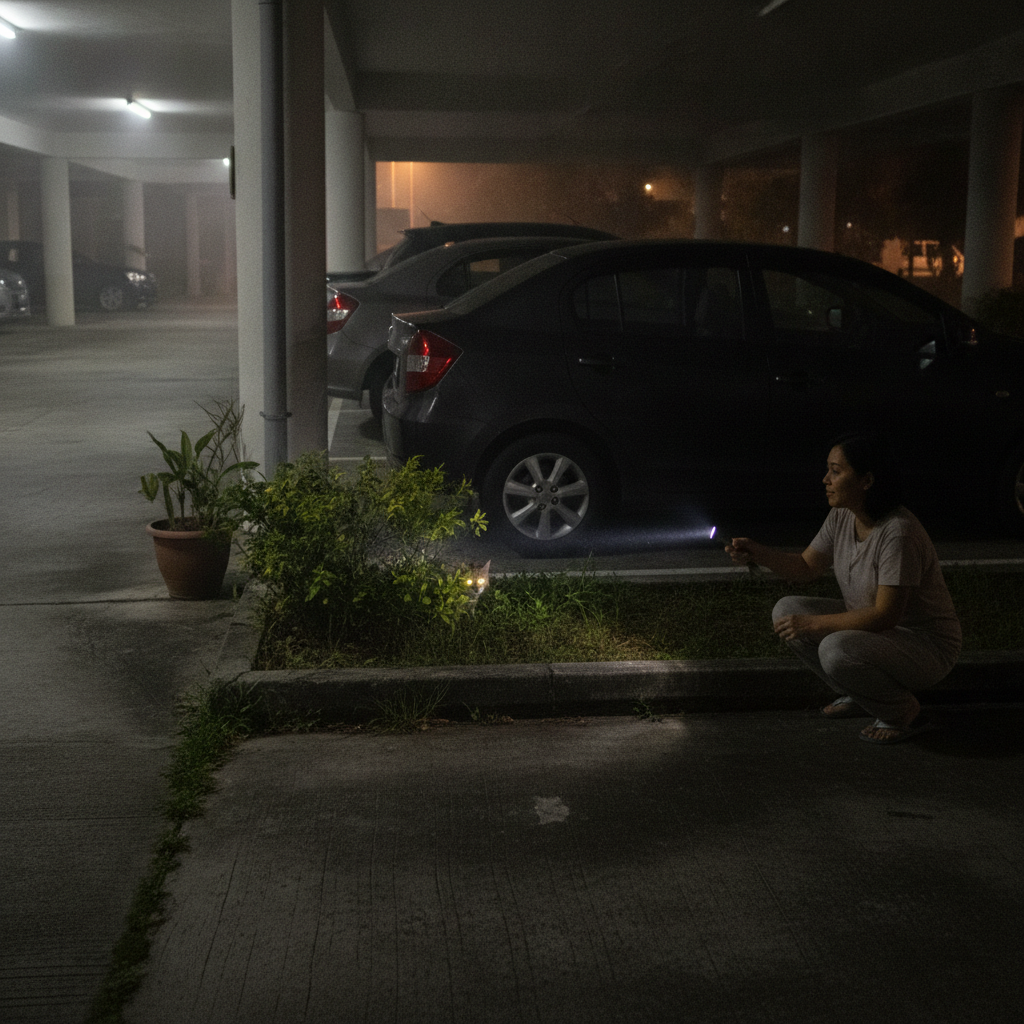
Here is the most reassuring fact in this whole article: escaped indoor cats almost never run far. A large 2018 study of over 1,200 lost cats, published on the US National Library of Medicine, found the median recovery distance was around 50 metres from home, with three-quarters of cats found within about 137 metres. A terrified indoor cat does not explore — it finds the nearest dark hiding spot and freezes. So:
- Search inside first, then immediately the 3–5 units in every direction — the same radius Best Friends Animal Society recommends for the first few days. Check under cars, in drains, behind aircon compressors, in dense bushes and storerooms. Use a torch even by day to catch eyeshine.
- Search at dawn and late night, when the corridors and car park are quiet enough for a scared cat to move.
- Build a scent hub near the escape point — their bed, a blanket, your unwashed shirt. But do not put the litter box outside: welfare experts warn its scent can actually attract territorial strays and frighten your cat further away.
- Tell everyone — neighbours, the guardhouse, building group chats, and local lost-pet Facebook groups — with a clear photo. Most cats are found because the owner searched relentlessly, not because the cat came home alone.
Speed matters: most lost cats that are recovered are found within the first week, and the odds drop after that. Move fast and stay systematic.
The Real Risks Outside for an Indoor Cat
Why all this effort? Because the street is genuinely lethal for a naive indoor cat that has never learned road sense or how to read another cat's body language. Traffic is the leading killer of outdoor cats, and a disoriented indoor cat freezing in a car park is in real danger. Fights with strays transmit incurable viruses like FIV and FeLV, and the outdoors swarms with fleas, ticks and worms. Some of what an escaped cat can pick up — rabies, toxoplasmosis — is zoonotic, meaning it can pass to your family too. This is the same reason the research consistently favours keeping cats indoors in Malaysia: a contained cat simply lives longer.
Keep the Indoor Life Worth Staying For
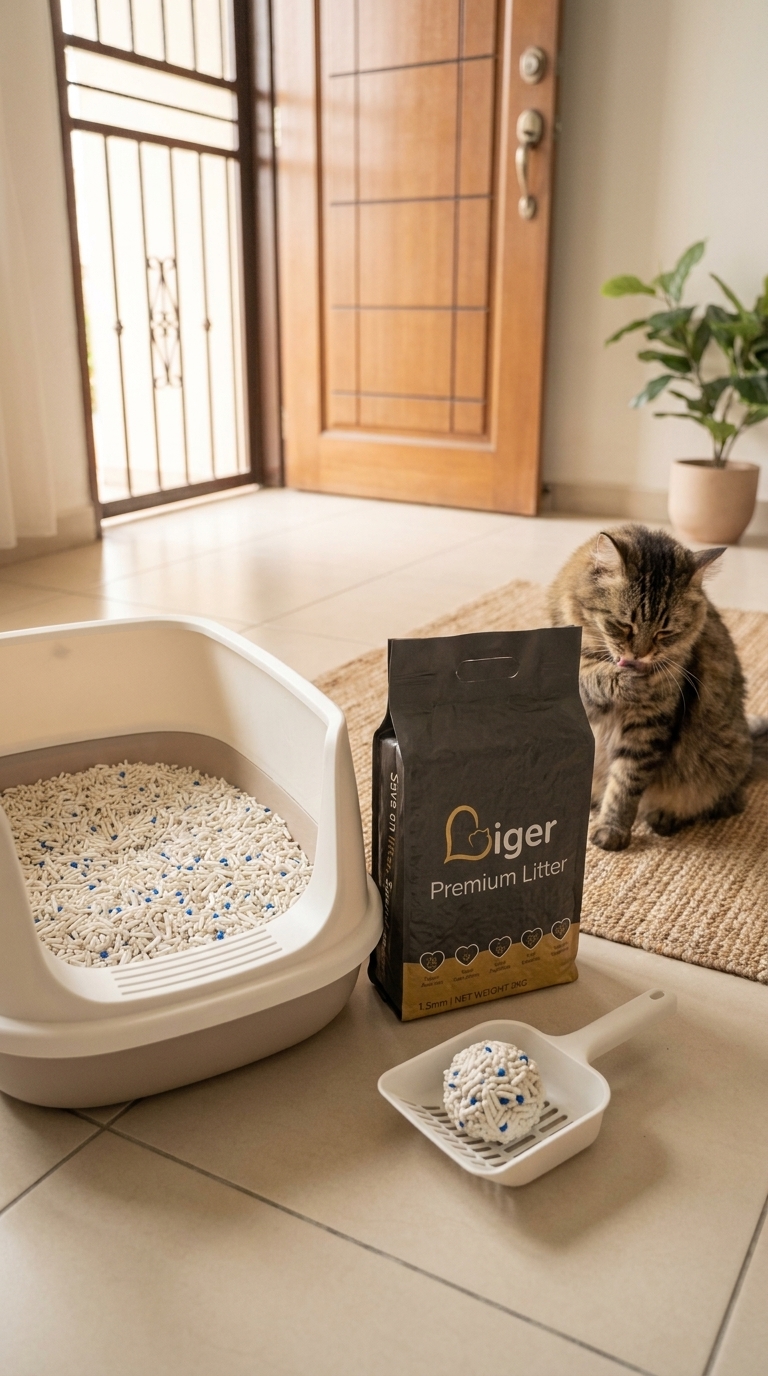
Every barrier in this guide works better when your cat genuinely prefers being inside — and a big, quiet part of that is a clean, reliable litter box. An indoor cat depends on its box completely, and in a sealed Malaysian condo a smelly or dusty litter pushes a cat toward the door (and toward you, complaining). We use Liger Premium Tofu Cat Litter for our own four cats: low-dust so it is gentle on feline lungs in a closed unit, naturally clumping, flushable, and lightly milk-scented so a small flat never smells like a toilet. The pricing is local and honest — from RM21.90 for a single 2 kg pack up to RM169 for a 10-pack (20 kg), about RM8.45/kg, with free shipping in Peninsular Malaysia (current Liger pricing, as of May 2026). Work out how much your home needs with our litter calculator.
Train the dash, fortify the exits, chip your cat, and make inside the best place to be. Do that and the door stops being a threat. For the full room-by-room sweep, head back to our home safety checklist.