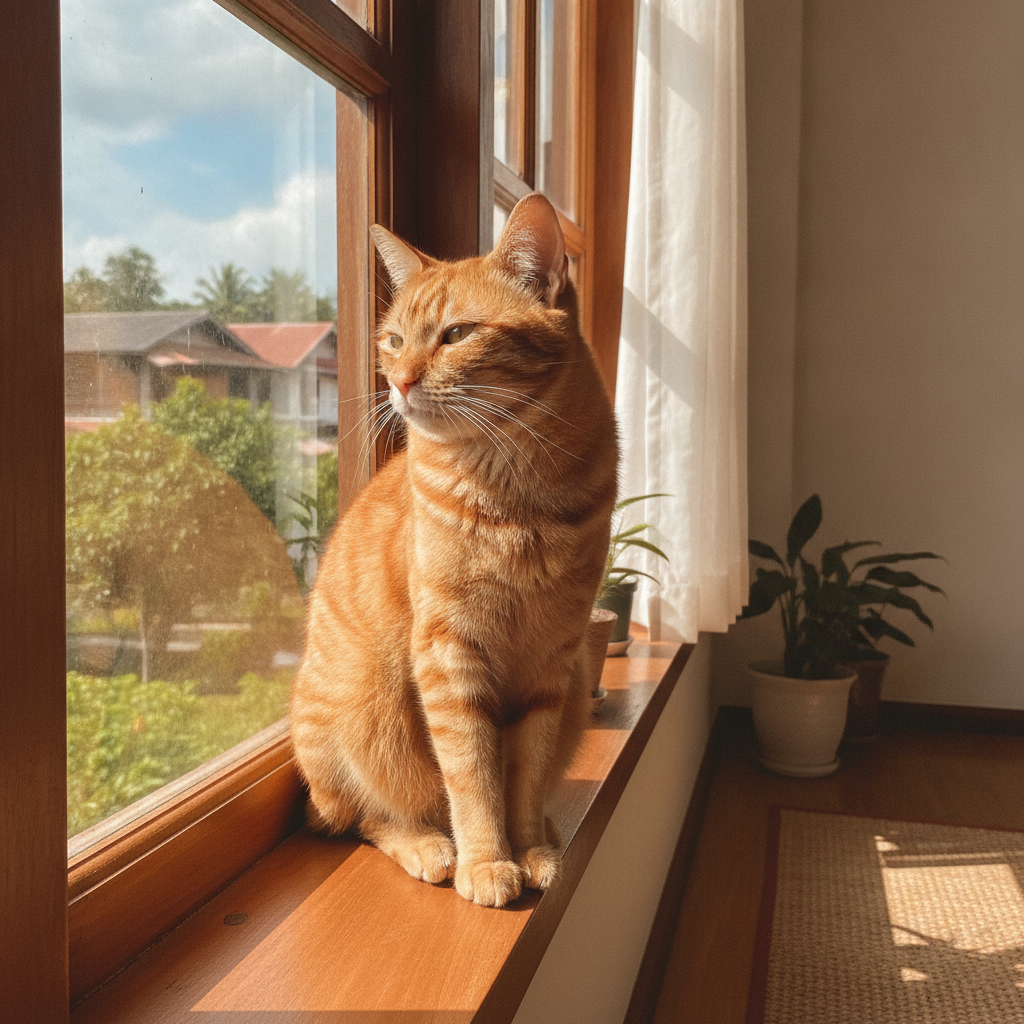
Ginger, marmalade, orange, "the cat with one brain cell" — whatever name you give them, orange cats have earned a reputation as the loveable, slightly chaotic goofballs of the feline world. They're also the subject of two genuinely fascinating bits of science: why the vast majority of them are male, and a 2025 discovery that finally cracked a genetic mystery over a century old. Let's separate what's genuinely proven from what's just very fun internet lore — because the real science is every bit as charming as the memes.
This is part of our cat colours and coat patterns guide. As always: orange is a colour, not a breed — you'll find ginger coats across many breeds and throughout Malaysia's kampung cats.
What Makes a Cat Orange?
An orange cat's coat is built almost entirely from phaeomelanin, the pigment behind every red, orange and cream tone in cats. A single gene — the "Orange" gene — flips a cat's pigment factories from making black (eumelanin) to making orange instead. Turn that switch on across the whole coat and you get a ginger cat. The shade ranges from deep red to soft marmalade to pale cream (that last one is just diluted orange), but it's all the same underlying instruction. Because the pattern shows up in moggies and pedigrees alike, "ginger" tells you about a coat, not a lineage — our cat breed identifier can help with the rest.
That single pigment, phaeomelanin, is the same one that paints the orange patches on a tortoiseshell or calico — an orange cat is simply one where it covers the whole coat instead of sharing space with black. It's also why the B locus gene that turns black into chocolate or cinnamon does nothing to a ginger cat: there's no black pigment there for it to act on. Orange is, in that sense, one of the "purest" coats a cat can wear.
Why Most Orange Cats Are Male
Here's the headline fact: roughly 80% of orange cats are male — a ratio of about 3:1 to 4:1. The reason is beautifully simple once you see it. The Orange gene sits on the X chromosome. Males are XY, so they have just one X — one copy of the gene. If that single X carries the orange instruction, the whole cat is orange; if it doesn't, he's black, brown or some non-orange colour. There's no in-between for a tom — he can't be patchy, because he has no second X to create a mosaic. Females are XX, so they need two orange copies (one from each parent) to be fully ginger; inherit just one and the famous X-inactivation process makes them tortoiseshell or calico instead.
Because one orange X is enough for a male but a female needs the rarer double dose, ginger toms vastly outnumber ginger queens. It's the mirror image of why calicos and tortoiseshells are almost always female — same gene, opposite outcome. Orange females absolutely exist; they're just outnumbered, and they need a ginger dad. A quick worked example: pair an orange tom with a tortoiseshell female and, on average, you'd expect orange and non-orange kittens of both sexes in roughly equal measure — but pair that same tom with a black female and you can't get a single orange daughter, only tortoiseshell girls and black boys. Across a whole random-breeding population, those odds stack up into the 3:1 to 4:1 male skew that cat coat genetics reliably predicts.
The 2025 Discovery: The Ginger Gene Finally Found
For over a hundred years — a puzzle that reportedly intrigued even Darwin — scientists knew the orange trait lived on the X chromosome but couldn't find the actual gene. That changed in 2024–2025, when teams at Stanford University and Kyushu University, publishing in Current Biology, identified it: a small DNA deletion that switches on a gene called ARHGAP36 inside pigment cells, turning them orange. It's a rare case of this particular gene being active in the skin at all, which is partly why it took so long to spot — researchers had to compare DNA from dozens of orange and non-orange cats to finally corner the culprit. A century-old feline mystery, solved — and a lovely reminder that the cat dozing on your sofa is still teaching scientists new things. Interestingly, the same gene is involved in human development too, which is part of why the finding made headlines well beyond the cat world. For owners, nothing changes day to day; but it does mean the old "Orange (O) locus" shorthand in textbooks now has a real molecular name behind it at last.
Why Every Orange Cat Is a Tabby
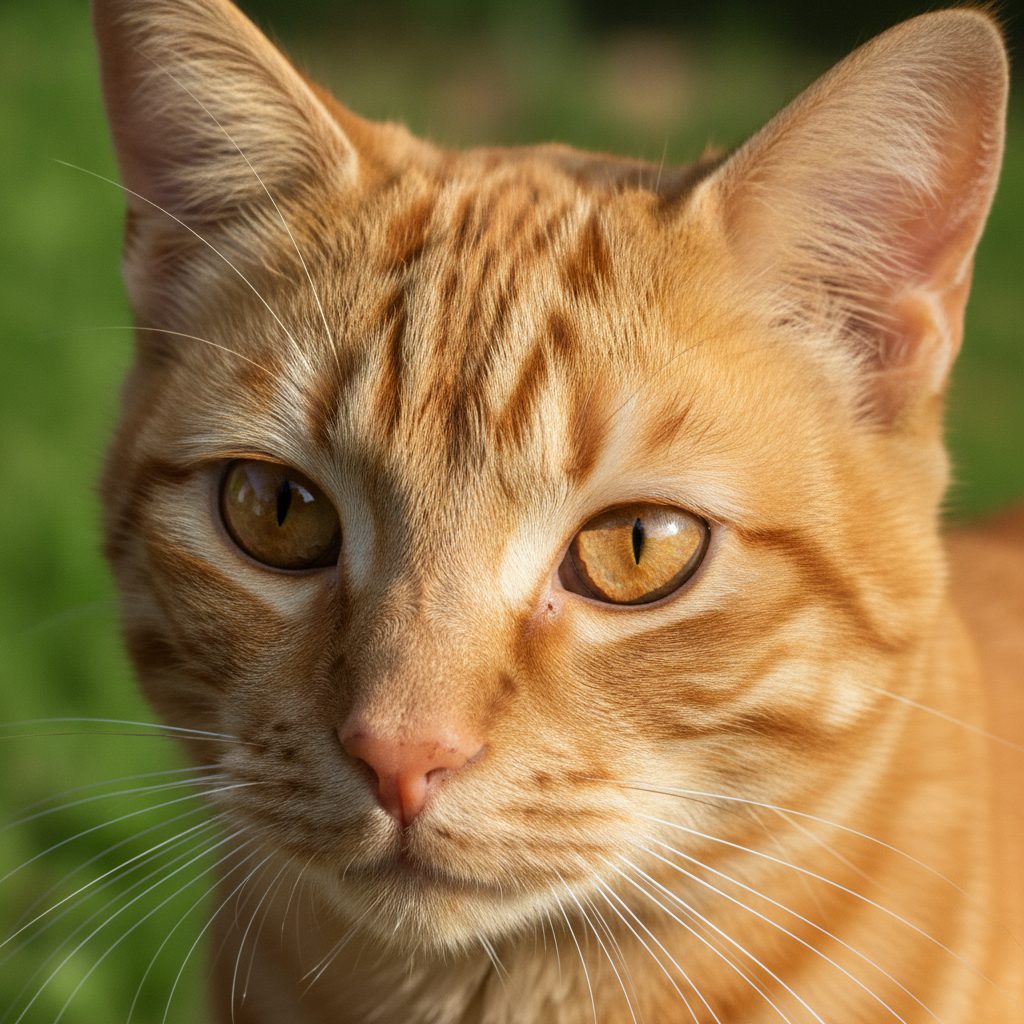
Look closely at any orange cat and you'll see stripes — on the legs, tail, and that signature "M" on the forehead. That's not a coincidence: every orange cat is a tabby, with no exceptions. The orange gene overrides the gene that would otherwise produce a solid coat, so the underlying tabby pattern always shows through. A "solid orange" cat simply isn't genetically possible — the stripes might be faint on a pale or fluffy cat, but they're always there if you look at the legs and tail. So your ginger cat is really a ginger tabby, every time. This also explains the four "looks" of orange cats: the stripes can run as narrow mackerel lines down the flanks, swirl into bold classic blotches, break into spots, or fade into the salt-and-pepper "ticked" look — but stripes of some kind are always present on the face, legs and tail even when the body looks nearly solid.
The "Orange Cat Energy" Myth
Now the fun part. Orange cats are famous online for being extra friendly, goofy, food-obsessed and not exactly the sharpest — the affectionate "they all share one brain cell" meme. So is it true? Honestly: there's no solid scientific evidence that coat colour causes personality. Veterinary authorities including International Cat Care and Cornell are clear that temperament comes from genetics, early socialisation and environment — not the colour of the fur.
So why does "orange cat energy" feel so real? The leading explanation is that most orange cats are male, and some of the boisterous, affectionate, food-driven behaviour people notice may track with sex and individual temperament rather than colour. Add a heavy dose of confirmation bias — we remember every goofy ginger and forget the calm ones — and a meme is born. The closest thing to evidence, a 2015 UC Davis owner survey, actually found sex-linked orange females scored slightly higher for aggression, not lower — hardly the laid-back-himbo image of the meme. The honest takeaway, echoed by Cornell's Feline Health Center: enjoy the lore for the laugh, but adopt the individual cat, not the stereotype. A shy, dignified ginger is every bit as likely as a clownish one, and the surest predictor of a friendly adult cat isn't colour at all — it's gentle handling in those first precious weeks of kittenhood.
Shades of Ginger: Red, Cream and Patterns
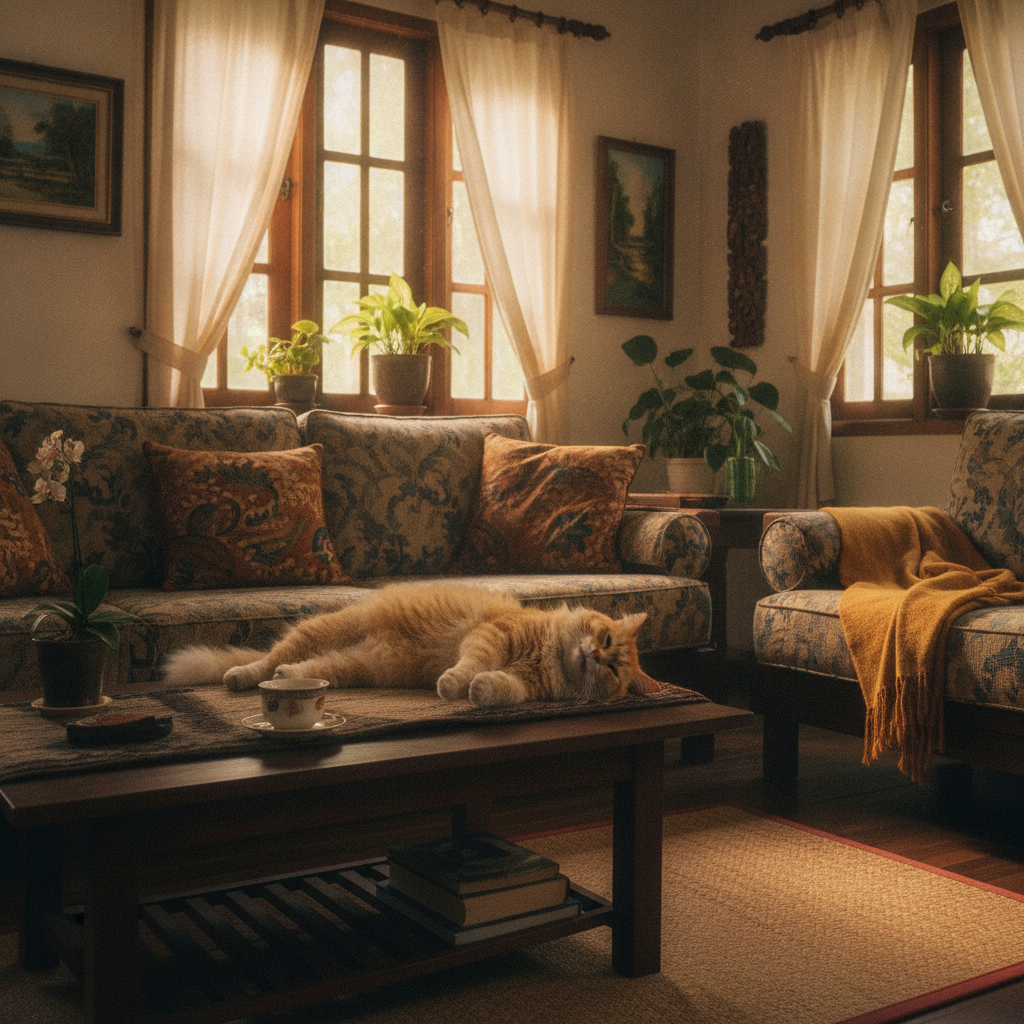
Not all orange cats look the same. The base colour can be a rich red or, with the dilution gene, a soft cream. And because every ginger is a tabby, you'll see them in the different tabby layouts — bold mackerel stripes, swirled classic, or spots. Some have lots of white (a ginger-and-white "bicolour"), and a female who's part-orange, part-black with stripes running through is called a "torbie" (a tortie-tabby). Many orange cats also sport charming dark "freckles" (lentigo) on the nose, lips and gums as they age — harmless, and rather endearing. One more quirk: because orange masks black so completely, an orange cat carrying "hidden" genes for other colours can still pass them to kittens, which is how two ginger parents occasionally produce a surprise non-orange daughter. The coat you see isn't always the whole genetic story — another reason these cats keep geneticists busy.
Caring for Your Ginger Cat
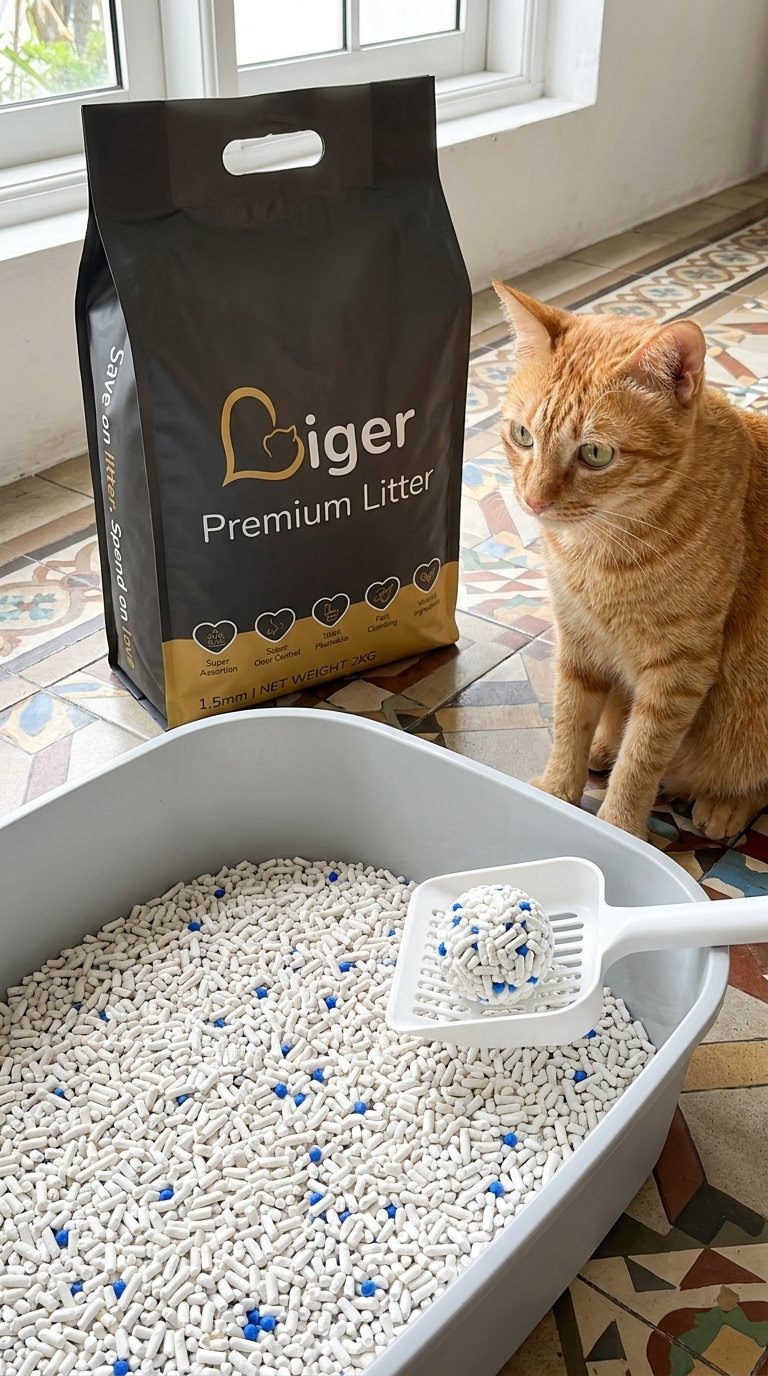
Good news: a ginger coat needs no special upkeep, and colour tells you nothing about a cat's health or lifespan. Quality food, regular vet checks, play and a clean litter box are all your orange cat needs to thrive — and since gingers have a bit of a reputation for loving their dinner, keeping an eye on the waistline is worth it (measure meals, don't free-feed all day). To keep that warm coat looking its best, a tidy, low-dust set-up helps — a natural, food-grade litter like Liger Premium Tofu Cat Litter keeps fine dust off the fur and the box fresh between scoops. It runs from RM21.90 for a single 2 kg pack to RM169 for the 10-pack (about RM8.45/kg), free shipping in Peninsular Malaysia (current Liger pricing, as of May 2026); size your supply with the litter calculator.
Want more coats? Meet the ginger's patchwork cousins in our tortoiseshell and calico guides, dig into tabby patterns, or head back to the colours and patterns hub. And if your marmalade boy still needs a name, our cat name generator has plenty of ideas.
Curious what colours your two cats could produce? Try our kitten coat colour predictor — it shows how likely an orange kitten is, and why sex matters.