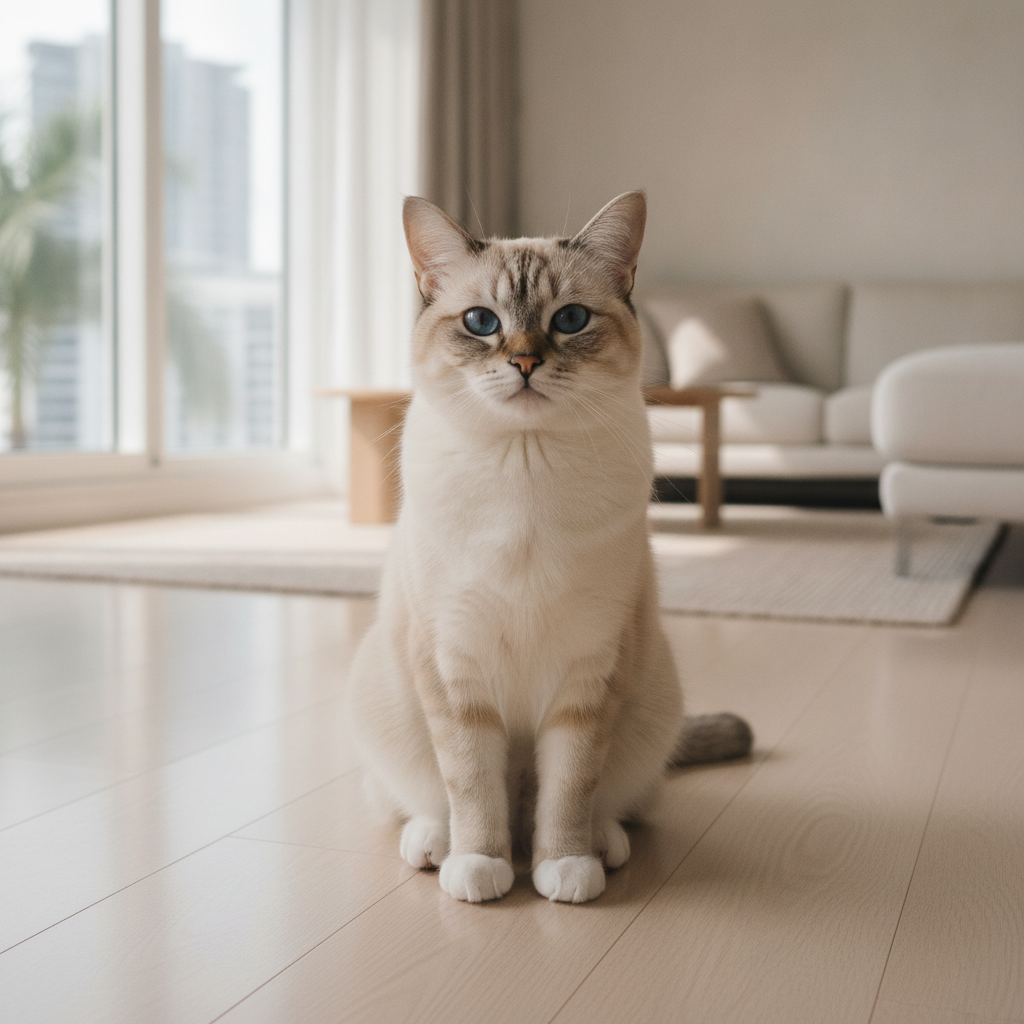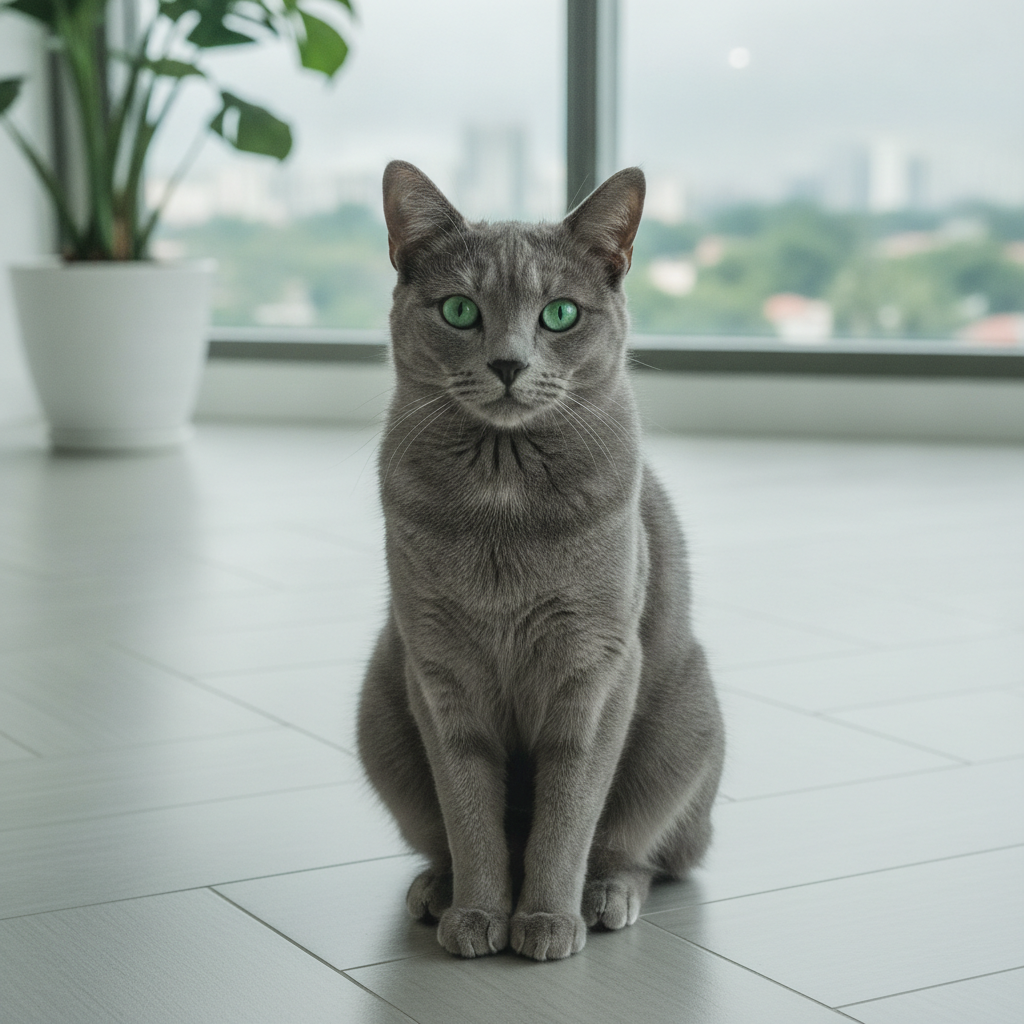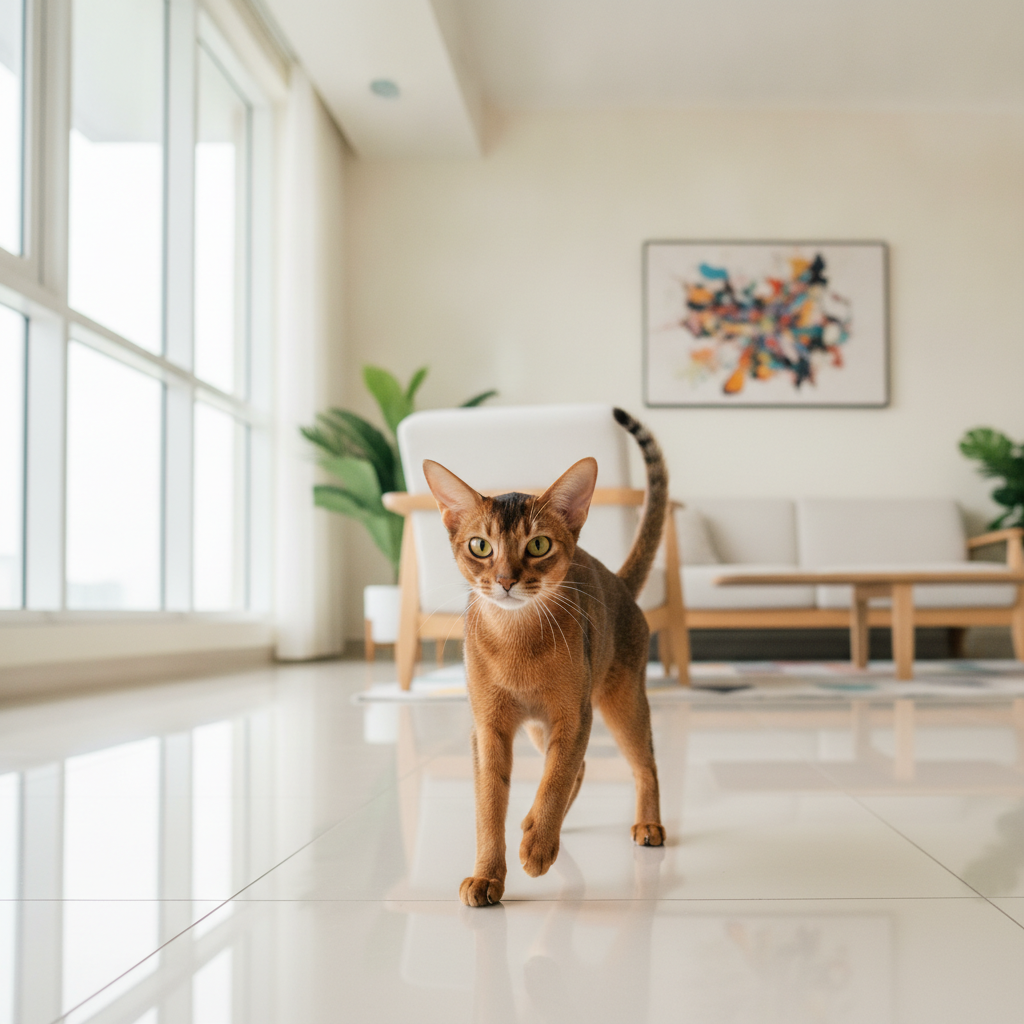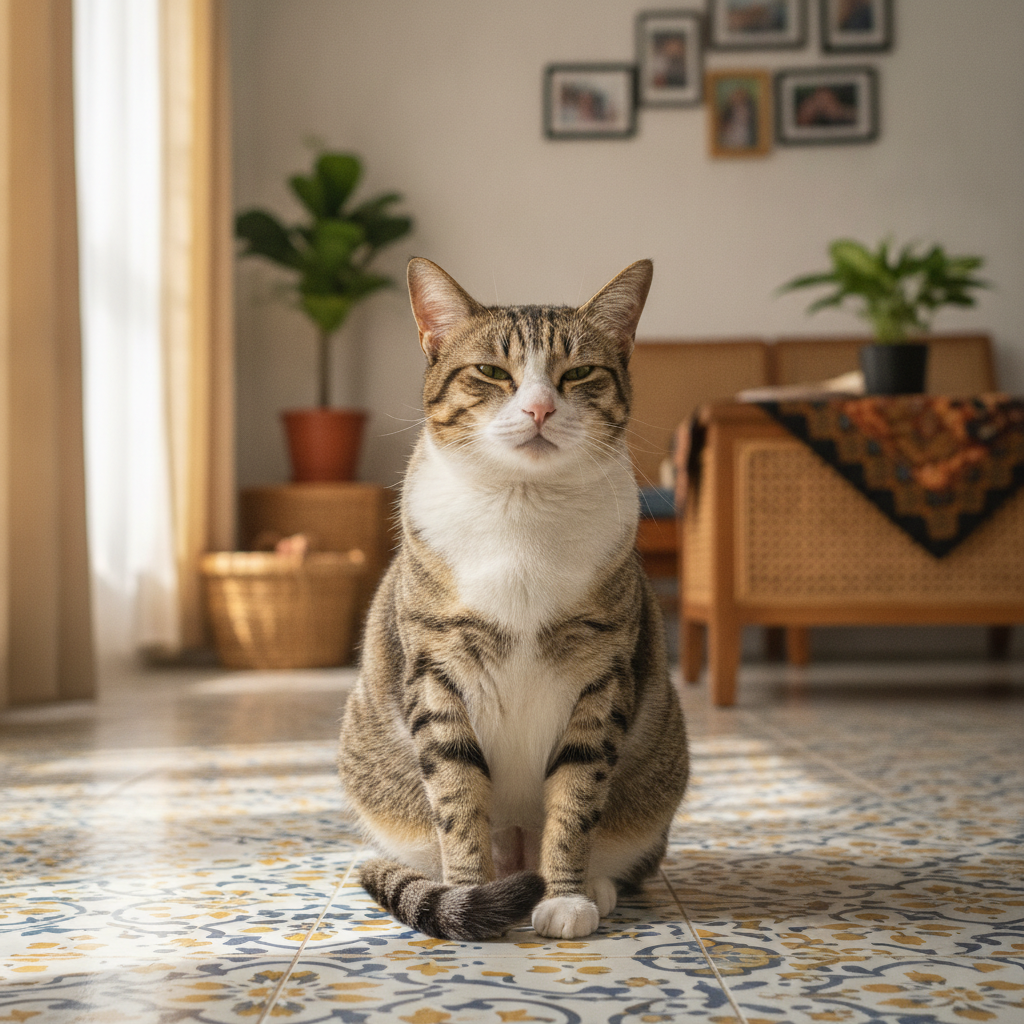
Everyone chases the pedigrees — the British Shorthairs, the Ragdolls, the Maine Coons. Meanwhile the smartest cat choice in Malaysia is sitting in a shelter (or by your kedai mamak) waiting for a home: the kucing kampung. The local domestic shorthair isn't a "lesser" cat — by the measures that actually matter (health, longevity, climate-fitness, and cost), it often beats the pedigrees outright. Here's the full case, and how to adopt one well.
For the full breed landscape, see our complete cat breeds in Malaysia guide.
The Most Underrated Cat in Malaysia
The kucing kampung isn't a formal breed — it's a diverse population of mixed-ancestry cats shaped by generations of natural selection in our streets, kampungs and cities. That mixed heritage is precisely its superpower. Personalities run the full range, from bold lap-cats to independent hunters, so there's a kampung cat to suit almost anyone. And because they're everywhere and always need homes, you can choose the temperament that fits you rather than a look from a catalogue. The "adopt, don't shop" movement — championed by groups like PAWS (operating shelters since 1987) and the Malaysian National Animal Welfare Foundation — has rightly elevated the humble local cat from afterthought to first choice.
Hybrid Vigour: Healthier and Longer-Lived
This is the headline advantage, and it's backed by science. Purebred cats are bred from a limited gene pool to hit specific looks — a flat face, a particular coat — which concentrates harmful recessive genes and the inherited diseases that come with them. The kucing kampung's broad, diverse genetic makeup dilutes that risk — the genetic-diversity advantage that International Cat Care describes as the reason mixed-breed cats tend to avoid the concentrated inherited conditions of closed pedigree lines. The contrast is stark: Persians have a documented predisposition to Polycystic Kidney Disease (PKD) — historically affecting a third of the breed, with some studies citing 36–49% — plus brachycephalic breathing problems; British Shorthairs carry a real risk of Hypertrophic Cardiomyopathy. The kucing kampung is associated with none of these specific breed ailments.
That translates into a longer life. A major study by the Royal Veterinary College found mixed-breed cats live an average of 14 years, versus about 12.5 for purebreds, and a well-cared-for kampung cat in Malaysia commonly reaches 12–15 years. Fewer genetic conditions also means, on average, lower lifetime vet bills. They still need standard preventive care — vaccinations, deworming and flea control — but they start life with a genetic head start most pedigrees can't match. Compare typical lifespans in our cat lifespan by breed guide.
Born for the Tropics
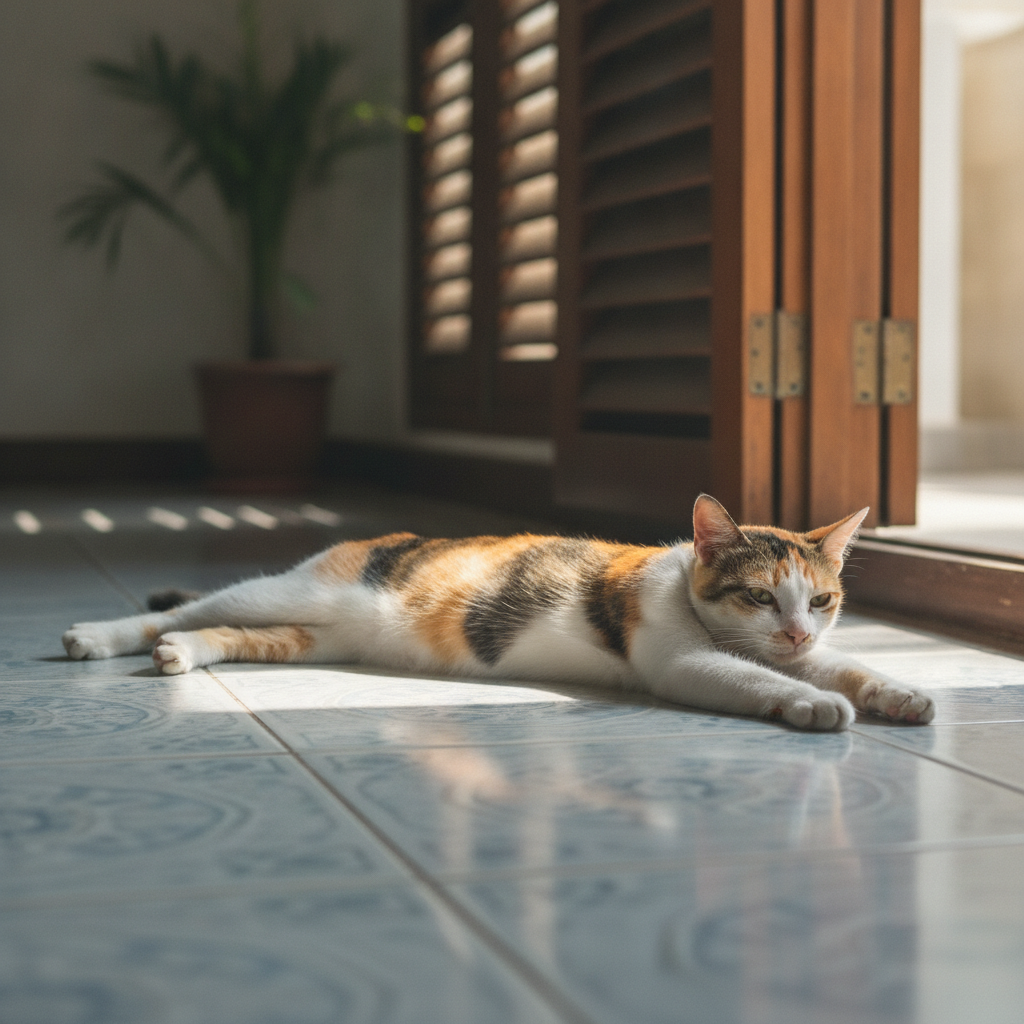
While Persians and Maine Coons need air-conditioning to survive our heat, the kucing kampung is built for it. Its short, low-maintenance coat sheds heat efficiently and needs little more than a weekly brush. There's no flat-faced breathing problem and no dense double coat trapping heat.
It also comes pre-loaded with the right instincts. To hold its normal 38–39°C body temperature, a kampung cat cools itself by grooming (saliva evaporates from the fur), seeks out cool tiled floors, dials down activity in the midday heat, and stretches out to shed warmth. A long-haired, flat-faced Persian has to be rescued from our climate with constant air-conditioning; the kampung cat simply gets on with it. For a Malaysian home — especially one without 24/7 air-conditioning — no cat is better adapted. It's the climate-appropriate choice, full stop.
Personality: Expect the Unexpected
Here's the one thing to truly understand before adopting: there is no single kucing kampung "personality." Shelter profiles describe them as everything from "feisty" and "full of energy" to "loving," "manja," and "smart and loyal." Some are devoted lap cats that bond fiercely with one person; others have a strong independent streak, channelling their intelligence into hunting household pests and ruling their territory like little "kings."
That independence is actually a plus for busy Malaysian households — many kampung cats enjoy your company without demanding constant attention, which suits a working owner. But the most important truth is that a cat's behaviour in a shelter — a stressful place — often isn't its true nature. A cat that seems shy behind bars frequently blossoms into an affectionate companion once it feels safe at home. Even littermates differ, one outgoing and one timid. So don't shop for a temperament label; meet the individual, give a nervous rescue patience and time, and let the real personality emerge. Malaysian vets consistently recommend the kucing kampung precisely for this combination of stable temperament and robust health.
How to Adopt One Responsibly (and What It Costs)
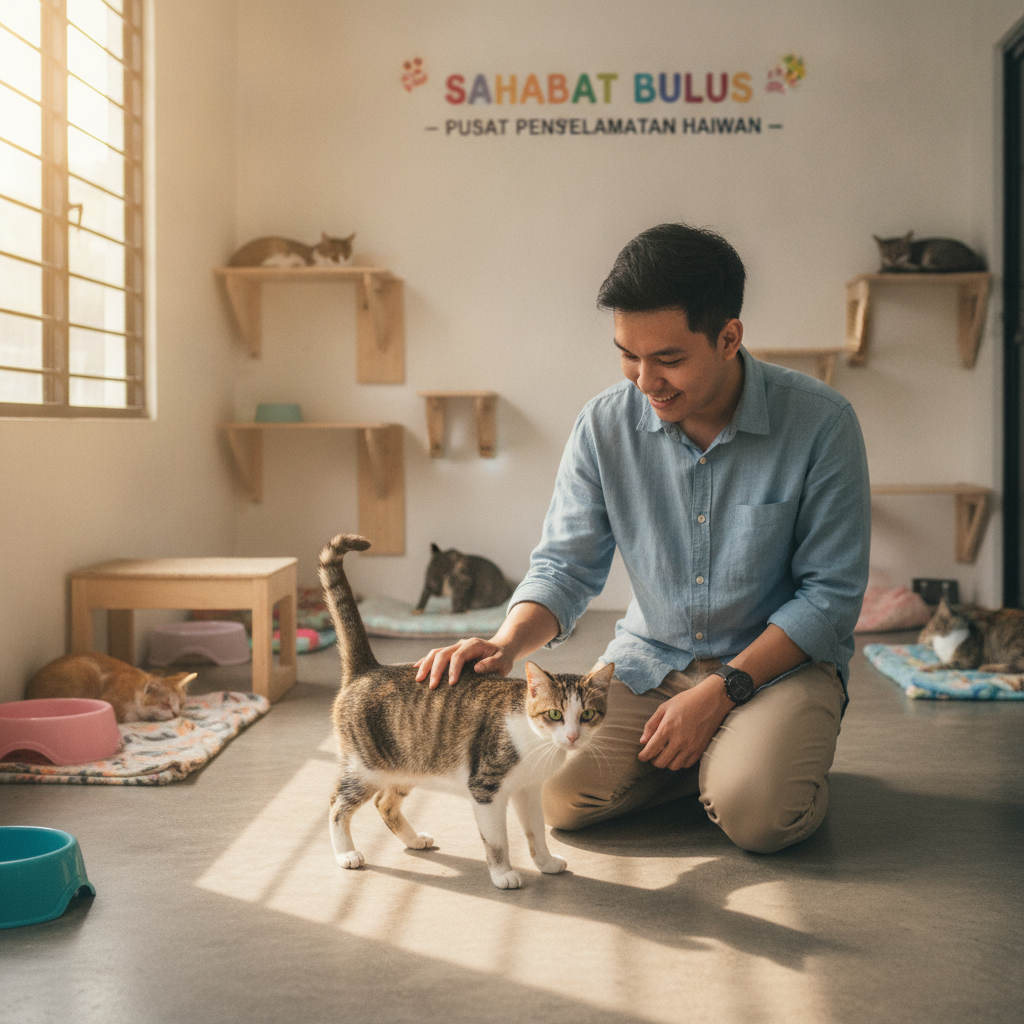
Adoption is refreshingly affordable and structured. Established shelters such as SPCA Selangor and PAWS run responsible adoption programmes with fees of roughly RM80–280 — and critically, that fee usually already includes neutering, vaccination and deworming, services that would cost several hundred Ringgit separately. So a "free" street kitten often works out more expensive once you've done the vet basics yourself.
The process typically involves an application, a short interview or home check, and signing an adoption agreement — all designed to make sure the match lasts and the cat doesn't end up back in a shelter. Choosing to adopt also makes a stand against unethical "kitten mills" that prioritise profit over welfare, and directly eases the stray crisis. If you'd rather rescue a stray directly, still budget for that first vet visit — vaccination, deworming, sterilisation and a parasite check — to give your new cat the same healthy start a shelter would.
Your Legal Duty of Care
Owning any cat in Malaysia is a legal commitment, not just a moral one. The Animal Welfare Act 2015, administered by the Department of Veterinary Services Malaysia, establishes a legal "duty of care" for pet owners and carries serious penalties — fines up to RM100,000 and up to three years' imprisonment — for cruelty or abandonment. In plain terms: providing food, shelter, vet care, and not dumping a pet when it becomes inconvenient is the law, not a favour.
This matters in the bigger picture too. Malaysia's stray population is a genuine crisis, and welfare organisations are united that the humane, effective answer is Trap-Neuter-Vaccinate-Return-Manage (TNVRM) — not the inhumane, ineffective catch-and-kill of the past. Every cat you adopt and sterilise is one less on the street and one less litter adding to the problem. Take the commitment as seriously as the cat deserves, and you become part of the solution.
Settling In and Everyday Care
A rescued kampung cat needs exactly the same good start as any pedigree. Our new cat owner checklist covers the essentials, and if your new cat is nervous at first, give it a quiet room, patience, and time — our indoor enrichment guide helps a timid rescue build confidence. Keep fresh water available and consider wet food for hydration, which protects against urinary issues (see keeping your cat hydrated).
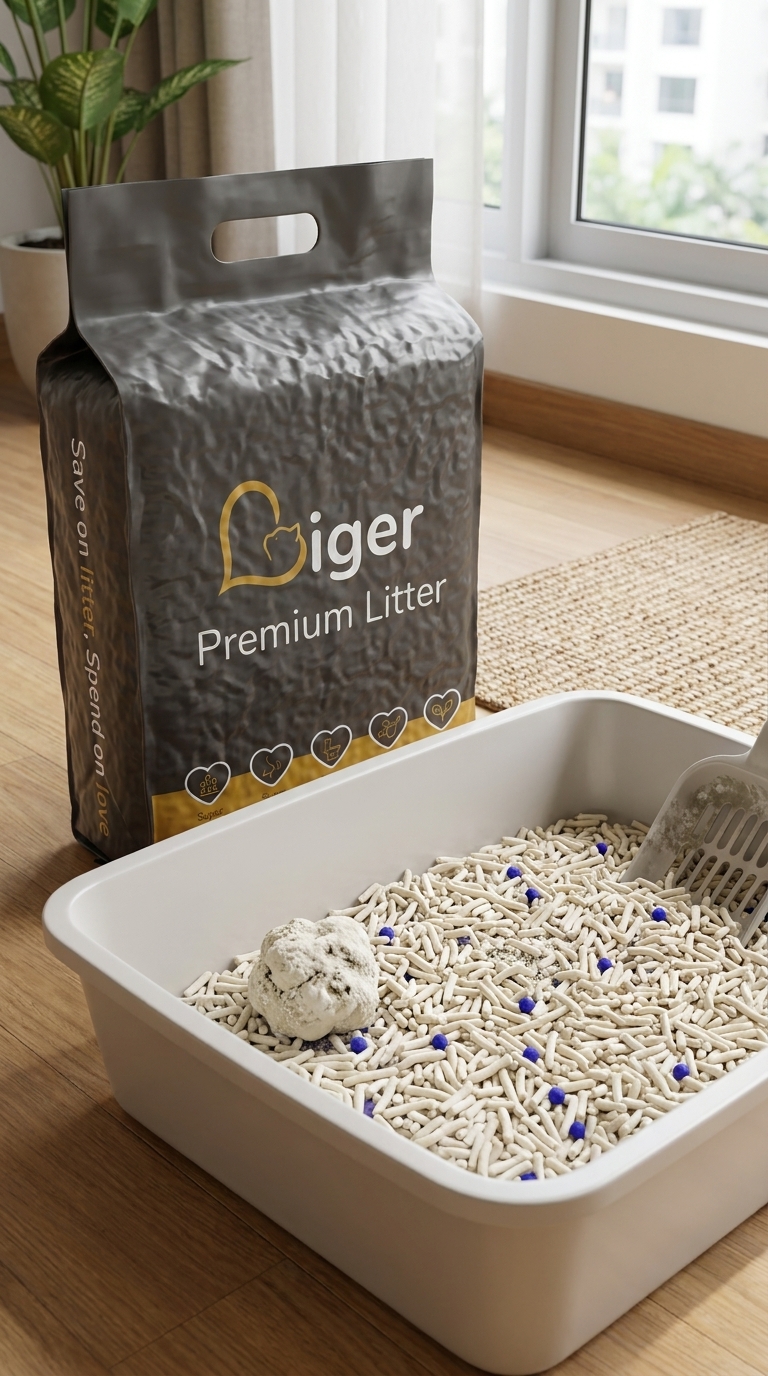
One area where "hardy" doesn't mean "no standards" is the litter box. A clean, low-dust, well-clumping litter keeps your home fresh and lets you monitor your new cat's health as it settles in — genuinely useful when you don't yet know its full history. A natural tofu litter like Liger Premium Tofu Cat Litter is low-dust, clumps firmly for easy scooping, and is gentle and plant-based. It's also wallet-friendly for a rescue household — buying in bulk works out cheaper per kilogram — and you can size your monthly need with our litter calculator. Your rescued cat may have come for a small fee, but giving it a clean, comfortable setup is how you honour the adoption.
Why the Kucing Kampung Is the Smart Choice
It's worth doing the lifetime maths, too. A pedigree's costs don't stop at a four- or five-figure purchase price: grooming, climate control, and the near-inevitable bills for breed-specific conditions (a Persian's kidney disease, a flat-faced cat's airway surgery) add up over 12-plus years. The kucing kampung skips most of that — a modest adoption fee that already covers sterilisation and vaccination, a short coat that needs no professional grooming, and a hardy constitution that keeps routine vet visits routine. Over a lifetime, the "free" cat is very often the cheaper and the healthier one.
Let's recap the case. The kucing kampung is hardier and longer-lived than most pedigrees, perfectly adapted to our climate, affordable to adopt, free of the expensive inherited diseases that haunt purebred lines, and in desperate need of homes. It asks little and gives a great deal. Before you spend thousands on a pedigree with built-in health problems, visit a shelter — you may well find that Malaysia's "ordinary" cat is the most extraordinary companion of all. Compare every option in the full Malaysia cat breeds guide, and if you're weighing the costs, our cat breed price guide shows just how far ahead adoption puts you. Whichever cat you bring home, you'll be giving a deserving animal a second chance — and gaining a loyal companion for the next decade and more.