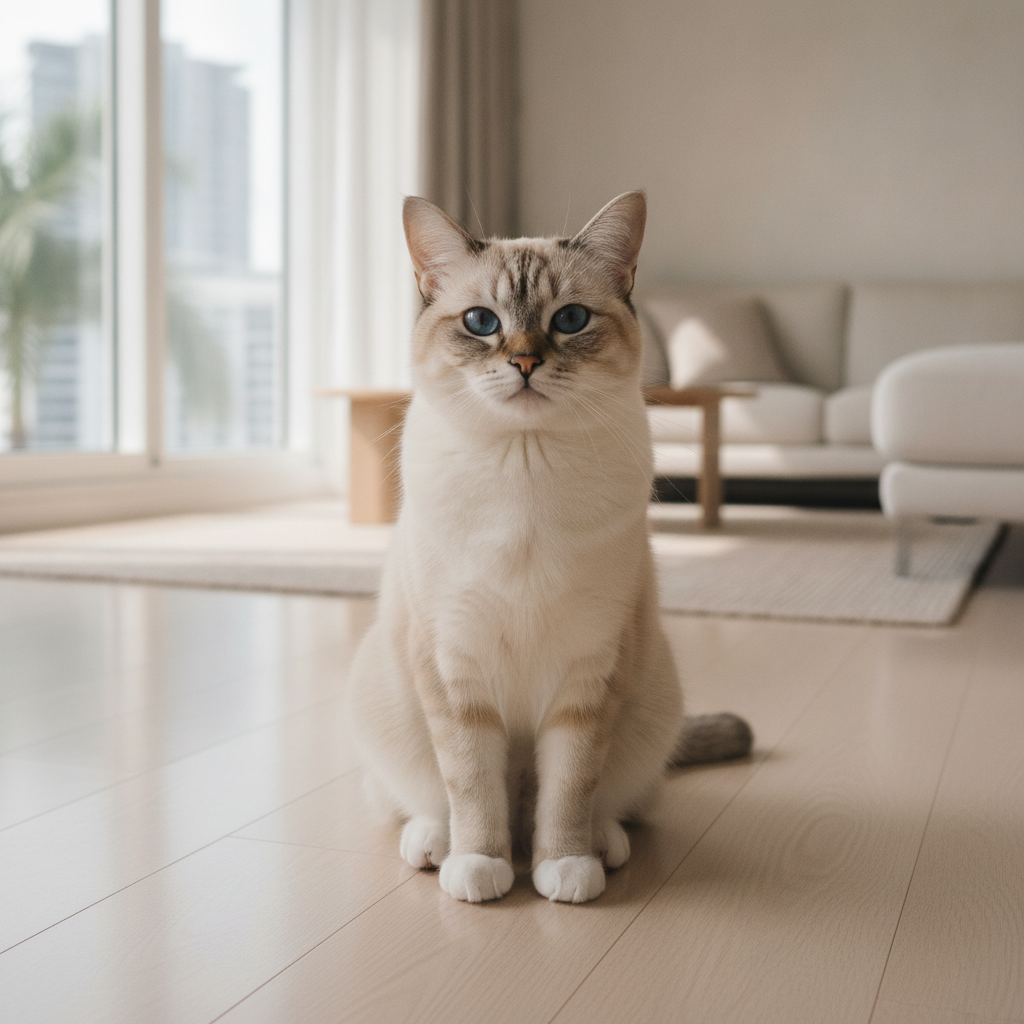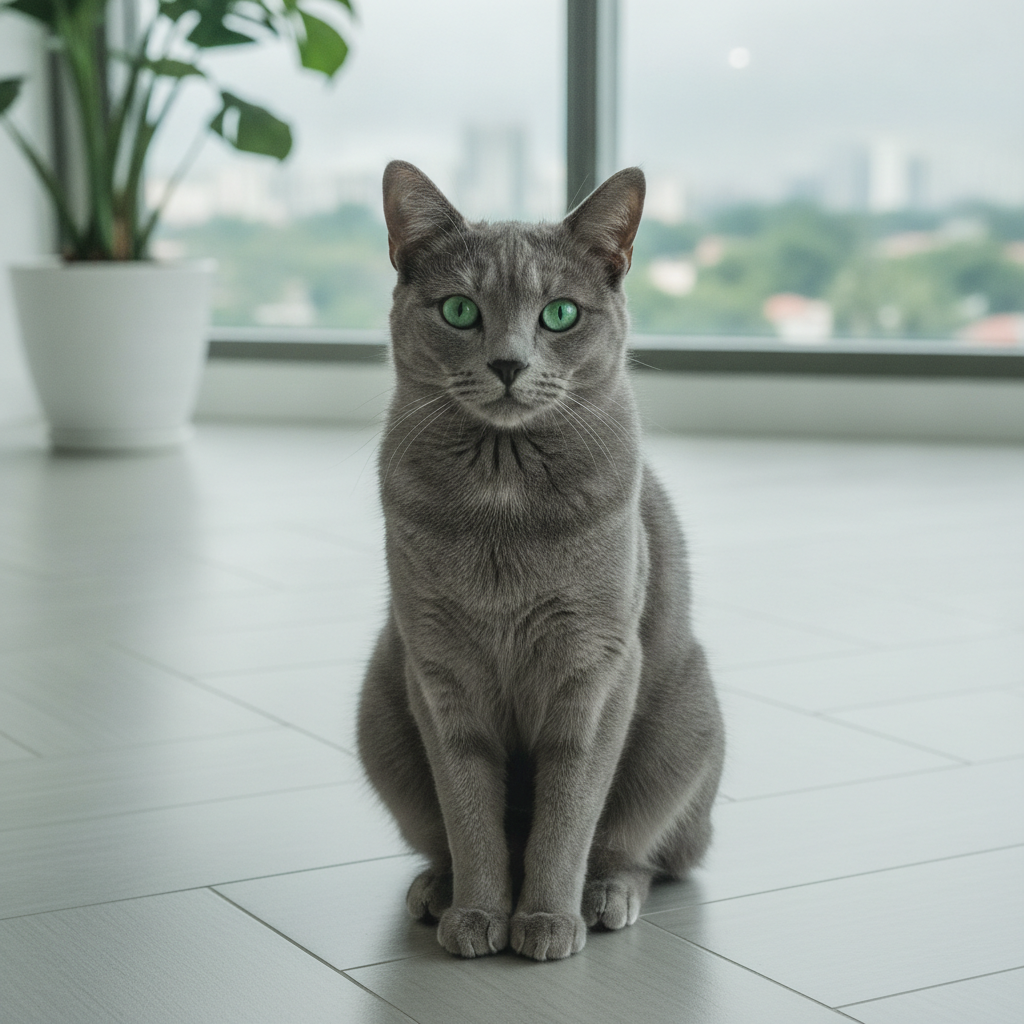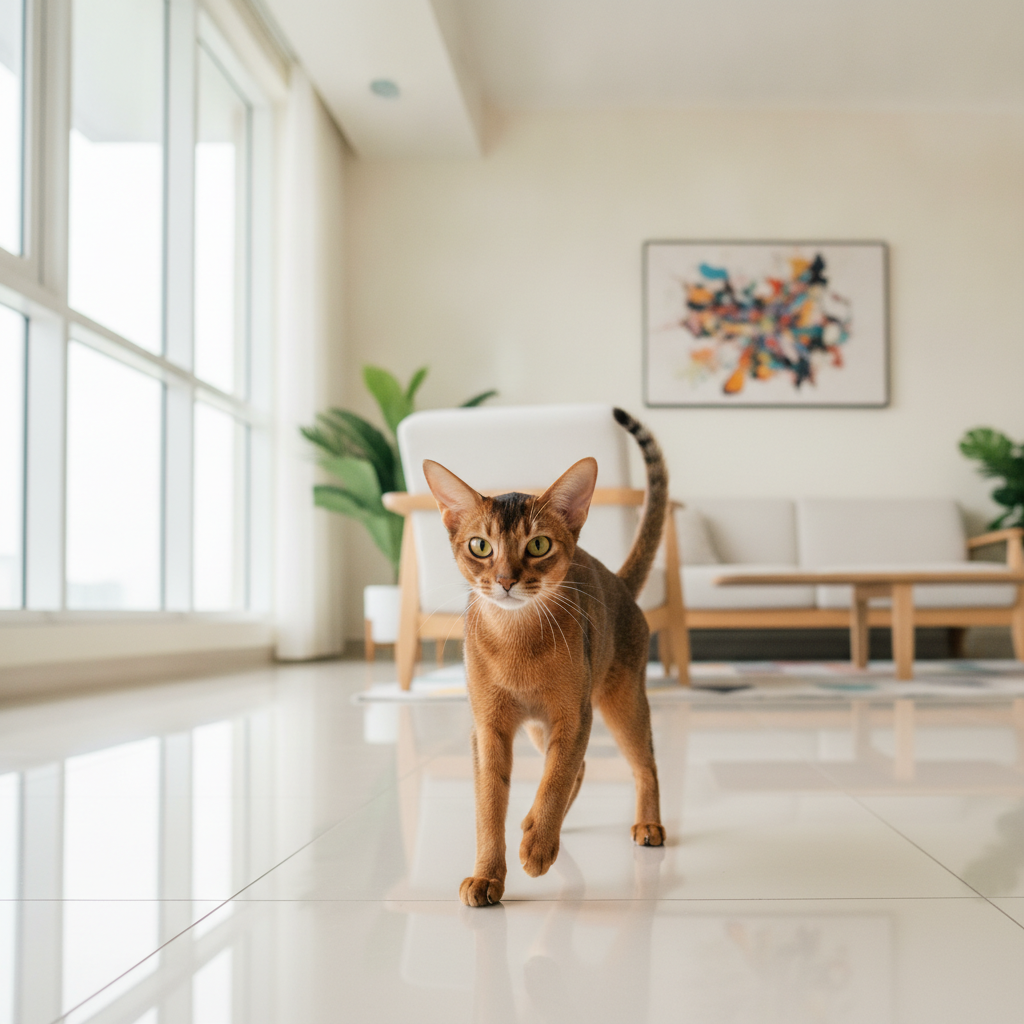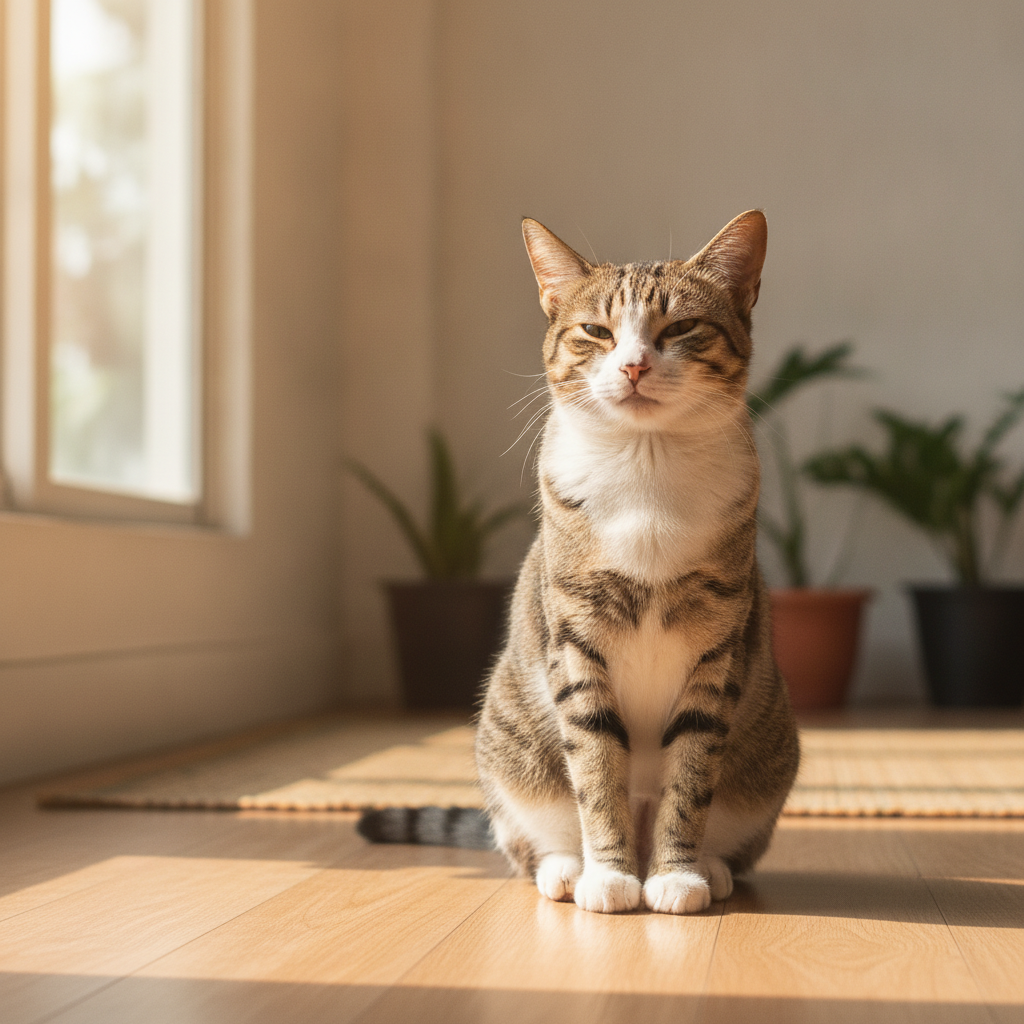
Let's be honest about what "cheap cat" really means. The kitten price is just the deposit — the real bill is the next 15 years of food, litter, vet visits and the occasional RM3,000 surprise. A "free" kitten with a dodgy heart can cost you far more than a sensible adoption fee. With cats now firmly "anak bulus" (fur children) in Malaysian homes — 77.7% of pet-owning households kept at least one cat in 2023 — more of us are facing that long-term maths than ever. So this guide answers the cheapest-cat question properly: the lowest-price breeds to buy in Malaysia in 2026, yes, but also the ones that stay cheap to own — because that's the number that actually matters.
If you want the full breakdown by breed, our cat breed price guide for Malaysia sits alongside this one nicely.
The Honest Answer: The Cheapest Cat Is Already Outside Your Door
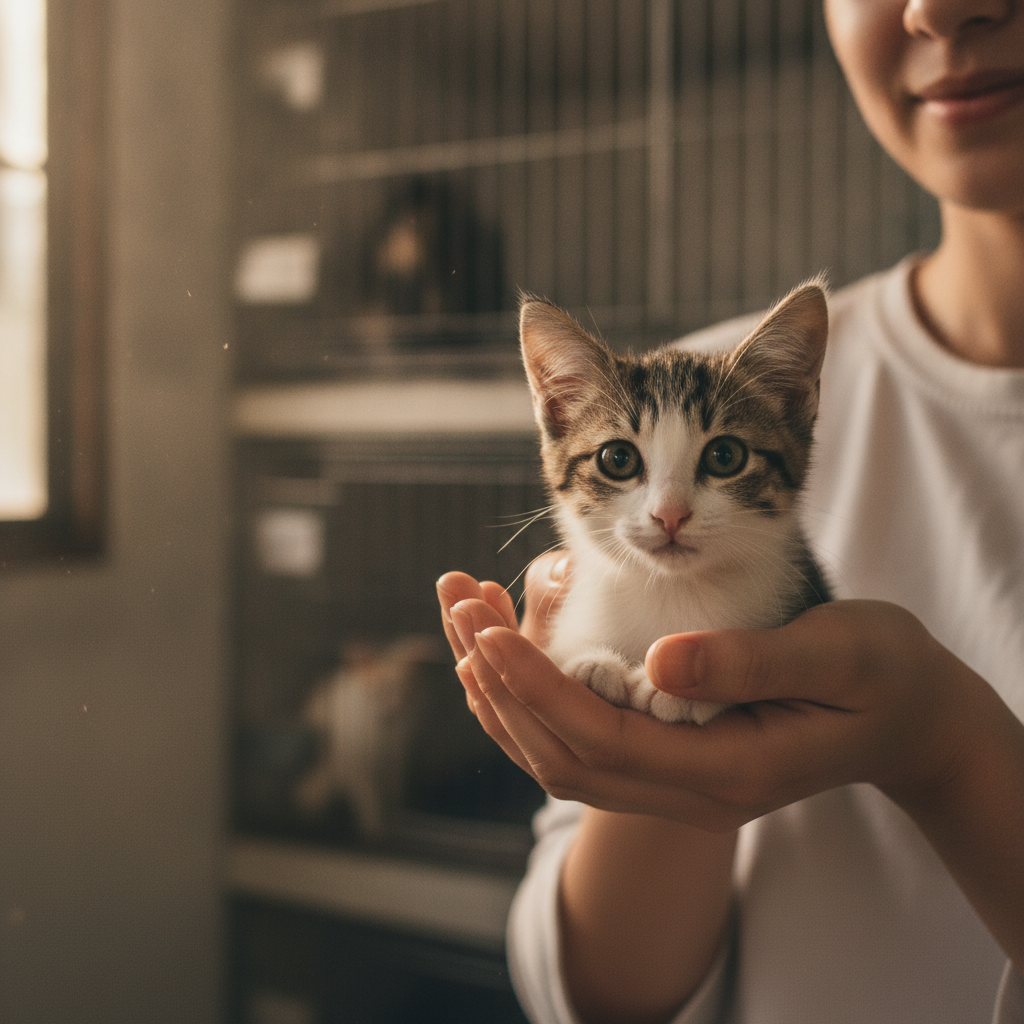
There's no contest here. The kucing kampung — our local domestic shorthair — is by a wide margin the cheapest cat to both get and keep in Malaysia. Adoption from a shelter runs from about RM100 at PAWS to RM280 at SPCA Selangor, and that fee isn't really a price — it usually bundles the first vaccination, deworming and neutering, which on their own would cost more than RM300 at a private clinic. Compare that to a pedigree kitten that starts in the low thousands, and you've saved four-figures before the cat has eaten a single meal.
The savings don't stop at the door, either. Generations of natural selection gave the kucing kampung a broad gene pool and genuine hardiness, which means it largely dodges the expensive inherited diseases that stalk many purebreds. Cheapest to buy, cheapest to feed, cheapest to keep healthy — and you're giving a home to a cat that actually needs one.
Adoption vs Buying: The Real Price Gap
The gulf between adopting and buying is the single biggest number in this whole article. Here's how 2026 acquisition costs stack up:
- Kucing kampung (adopt): RM100–RM280, typically including first jab, deworming and sterilisation.
- British Shorthair: roughly RM1,200–RM4,000 for pet quality, far more for rare colours.
- Persian: around RM2,000–RM4,000 for pedigree pet quality.
- Ragdoll: about RM2,500–RM4,000.
One firm warning the breeders themselves give: be deeply suspicious of "purebreds" sold cheap. A British Shorthair under RM500 or a Ragdoll under RM1,000 is almost certainly mixed-breed or from a backyard operation cutting corners on health and socialisation — the kind of corner-cutting that lands you with the vet bills later. (These are 2026 market estimates, not Liger figures, and vary by breeder and lineage.)
The Cheapest Pedigree Breeds — If You're Set on One
If your heart is set on a specific look, understand that no pedigree is truly "cheap" — you're choosing the least expensive end of an expensive category. Among the popular breeds, non-pedigree Persians and mixed domestic-shorthair types occasionally surface in the RM500–RM1,500 range, which is the closest a "breed-ish" cat gets to affordable. But pause before you chase the lowest sticker: with pedigrees, an unusually low price almost always signals a problem you'll pay for in heartache and ringgit down the line. If budget is the priority, the maths keeps pointing back to the shelter.
It helps to understand why pedigrees cost what they do. The price reflects lineage certification, the breeder's reputation, vaccination and early vet work, and — bluntly — status: owning a British Shorthair or Persian has become a visible marker of disposable income in urban Malaysia. None of that makes the cat a better companion than a moggie; it just makes it a more expensive one. If the look genuinely matters to you, save toward a healthy, well-bred kitten from a responsible breeder rather than rushing to the cheapest listing — a slightly higher upfront price from someone who health-tests their cats is far cheaper than a bargain kitten with an inherited condition.
The Hidden Cost Nobody Budgets For: Genetic Health
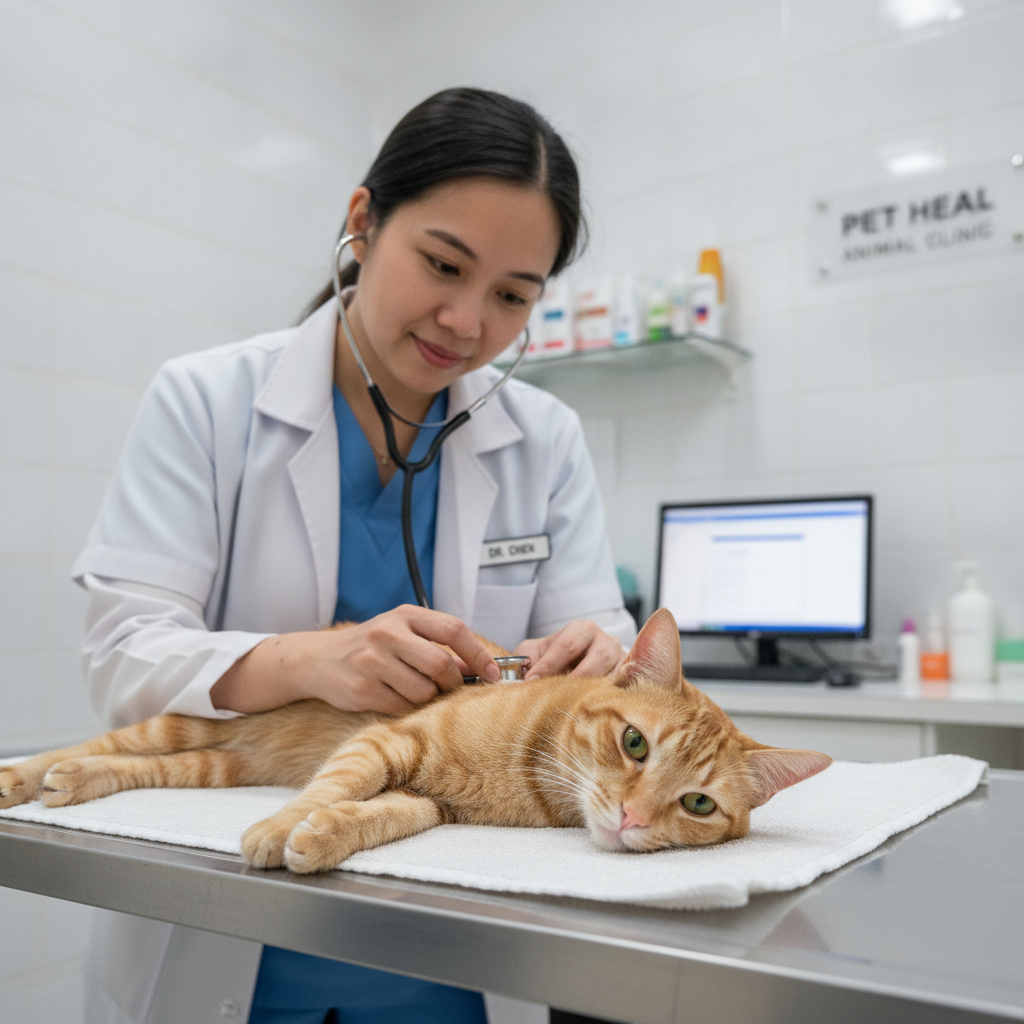
This is where "cheap" cats turn expensive. Many sought-after breeds carry inherited conditions that need lifelong, costly management:
- Scottish Fold: the folded ears come from a gene that also causes osteochondrodysplasia — painful degenerative joint disease that affects every Scottish Fold to some degree. The RSPCA and Cats Protection both flag the welfare problem; this is a lifetime of pain-management bills baked in from birth.
- Persian: its flat face brings breathing and dental issues (International Cat Care details the brachycephaly problems), and the breed is prone to Polycystic Kidney Disease (PKD), per PetMD.
- Maine Coon, British Shorthair and Ragdoll: all predisposed to Hypertrophic Cardiomyopathy (HCM), a heart disease whose ongoing management can run RM1,500–RM5,000 a year. Large breeds like the Maine Coon also risk hip dysplasia, with corrective surgery in the RM2,000–RM5,000 range.
The kucing kampung's mixed ancestry is its quiet financial superpower here: no breed-specific time bombs, far lower odds of a five-figure medical saga.
The Real Monthly Cost: Food, Litter and Vet
Once the cat is home, three recurring costs decide your monthly outlay. Food is the biggest: budget dry diets run roughly RM52–RM105 a month for one cat, while mid-range brands climb to RM260–RM390. Litter is the steady drip — a year of basic bentonite lands around RM240–RM300, and a better tofu or pine litter is comparable at roughly RM250–RM350 a year while controlling odour far better. Routine vet care (annual booster, check-up, parasite prevention) rounds it out. Note that costs have been climbing — pet food rose up to 30% and vet fees about 20% since 2022 — so build in a little headroom. A budget-conscious kucing kampung owner can run a comfortable first year near RM1,361; the same year with a purchased British Shorthair on mid-range care projects closer to RM6,185.
Don't forget the one-time starter kit, either. A basic setup — a simple litter pan, a brush, nail clippers and a few toys — comes in around RM60–RM100; go for a covered litter box and a fuller toy collection and you're closer to RM250. It's a small number next to the years that follow, but worth folding into your first-month budget so nothing catches you off guard. The pattern across every line item is the same: the local cat is cheaper to feed, cheaper to treat, and carries less financial risk — the pedigree premium shows up not once but every single month.
Slash Your Vet Bills: DVS Clinics and State Subsidies
Here's a money-saver too few owners use. Government veterinary clinics under the Department of Veterinary Services (Jabatan Perkhidmatan Veterinar) perform routine procedures at a fraction of private prices — a male neuter might be RM30–RM70 at a DVS clinic versus RM110–RM275 privately, with vaccinations similarly discounted. The trade-off is longer waiting times, not lower standards. Several states layer on subsidies too, such as Selangor's RM60 sterilisation rebate. Using DVS for routine sterilisation and jabs can pull a new owner's first-year vet bill from a possible RM1,000 down to RM300–RM500. Preventive care is itself a saving: a RM6.50 deworming tablet or a RM75 vaccination series is trivial next to the cost of treating the disease it prevents.
The Cheapest Litter That Doesn't Make a Mess
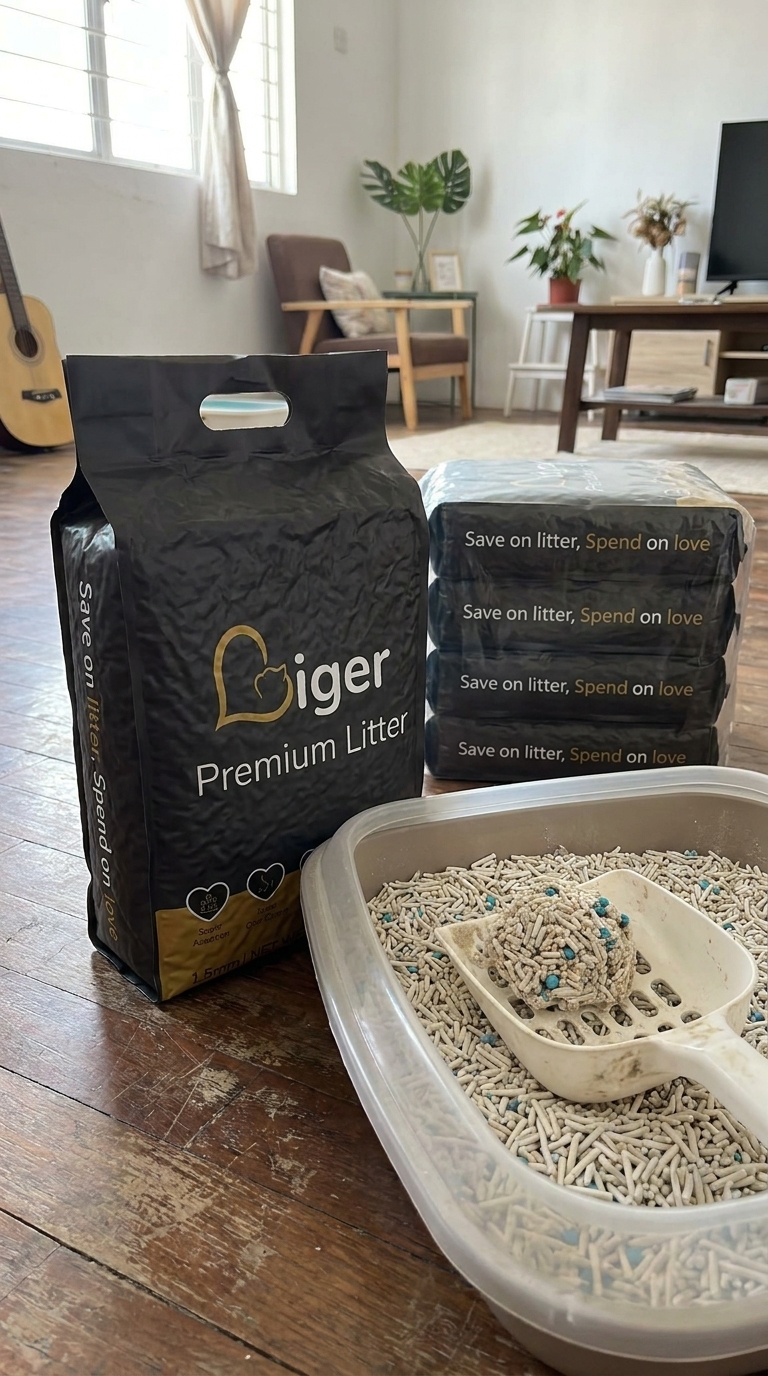
Since litter is a forever-cost, getting it right saves money and hassle. The trap is "cheapest per bag" — a flimsy litter you scoop through twice as fast isn't cheap at all. The smarter metric is cost-per-kilo paired with how little you waste, which we break down in our cheapest cat litter per kg in Malaysia guide. Liger Premium Tofu Cat Litter is built for exactly this: firm clumping means you remove only the soiled clump and leave the rest, so a bag lasts longer; strong odour control means you change the whole tray less often; and it's low-dust and flushable, sparing you both mess and disposal cost.
On the numbers: a single 2 kg pack is RM21.90, but the 10-pack (20 kg) drops to just RM8.45/kg — about 23% cheaper per kilo than buying singles, with free shipping across Peninsular Malaysia (current Liger pricing, as of 2026). To see exactly what you'll spend a month before you buy, run your cat count through the litter calculator.
The Verdict: Cheapest Cat to Own in Malaysia for 2026
Add up acquisition, food, litter, routine care and the lurking risk of inherited disease, and the answer is unambiguous: the adopted kucing kampung is the cheapest cat to own in Malaysia in 2026 — projected around RM5,445 over five years versus roughly RM18,965 for a purchased British Shorthair on mid-range care. If you genuinely want a pedigree, go in with eyes open: budget for the higher feeding and the genetic-health risk, never chase a suspiciously cheap "purebred", and lean on DVS clinics and a cost-efficient litter to keep the running costs sane. But if the brief is simply "cheapest cat that'll be healthy and happy", the shelter down the road has exactly what you're looking for — healthy, hardy, and already half the price before you've even brought it home.