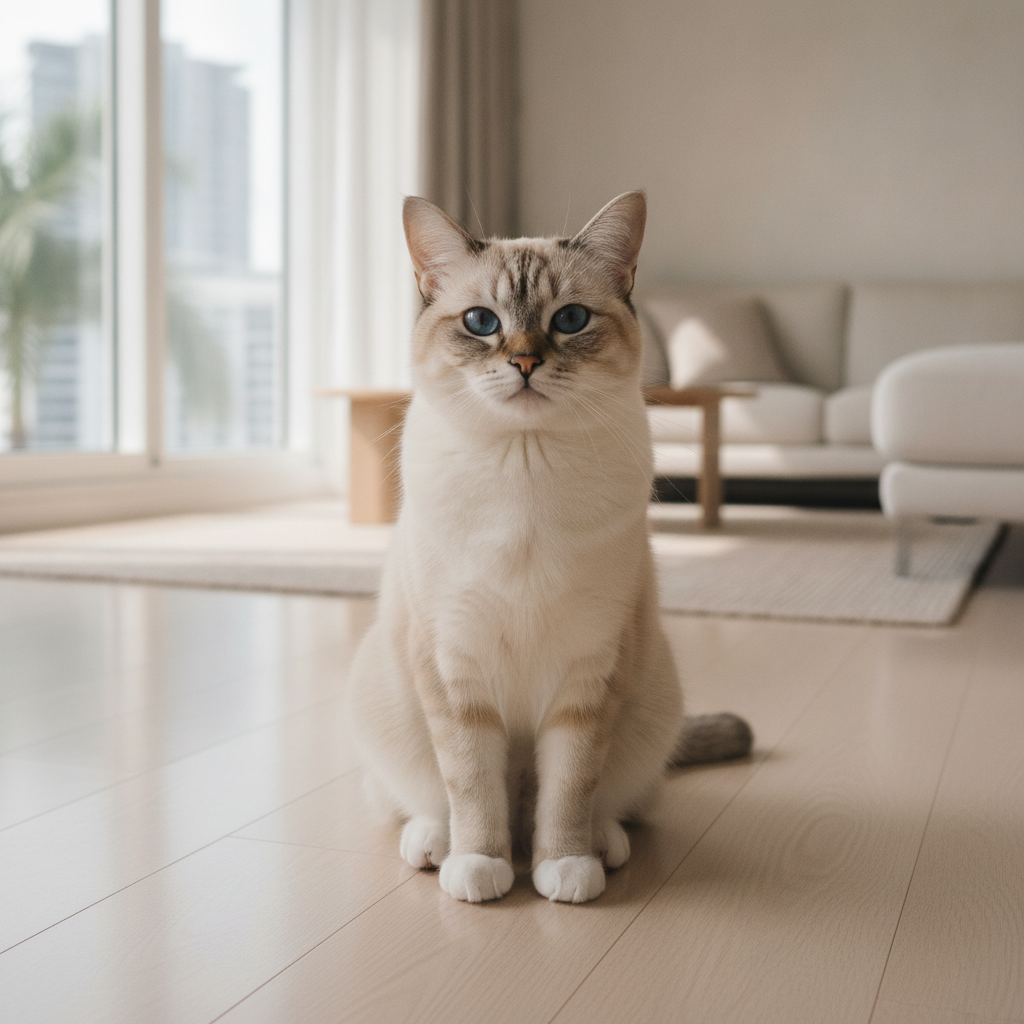
If most cats are aloof roommates, the Siamese is the chatty best friend who follows you into the bathroom. Elegant, blue-eyed, fiercely intelligent and famously talkative, the Siamese is one of the oldest and most distinctive breeds — and one of the better-suited pedigrees for Malaysia's climate. But that devotion has a flip side most first-time owners underestimate. Here's the full, honest guide.
Comparing breeds? See where the Siamese fits in our complete cat breeds in Malaysia guide.
Brains, Devotion and a Loud Opinion
The Siamese is defined by three things: a brilliant mind, a bottomless need for company, and a loud voice to tell you about both. Its history is well documented as one of the world's oldest recognised breeds, and it's so woven into the local fancy that when Malaysia developed its own national breed, the Kucing Malaysia, the standard (introduced to FIFe in 1996) specifically incorporated the Siamese colourpoint pattern. With cats now owned by an estimated 77.7% of pet-owning Malaysian households in the "anak bulu" era, the demanding Siamese has plenty of devoted fans here — but it is not a hands-off pet.
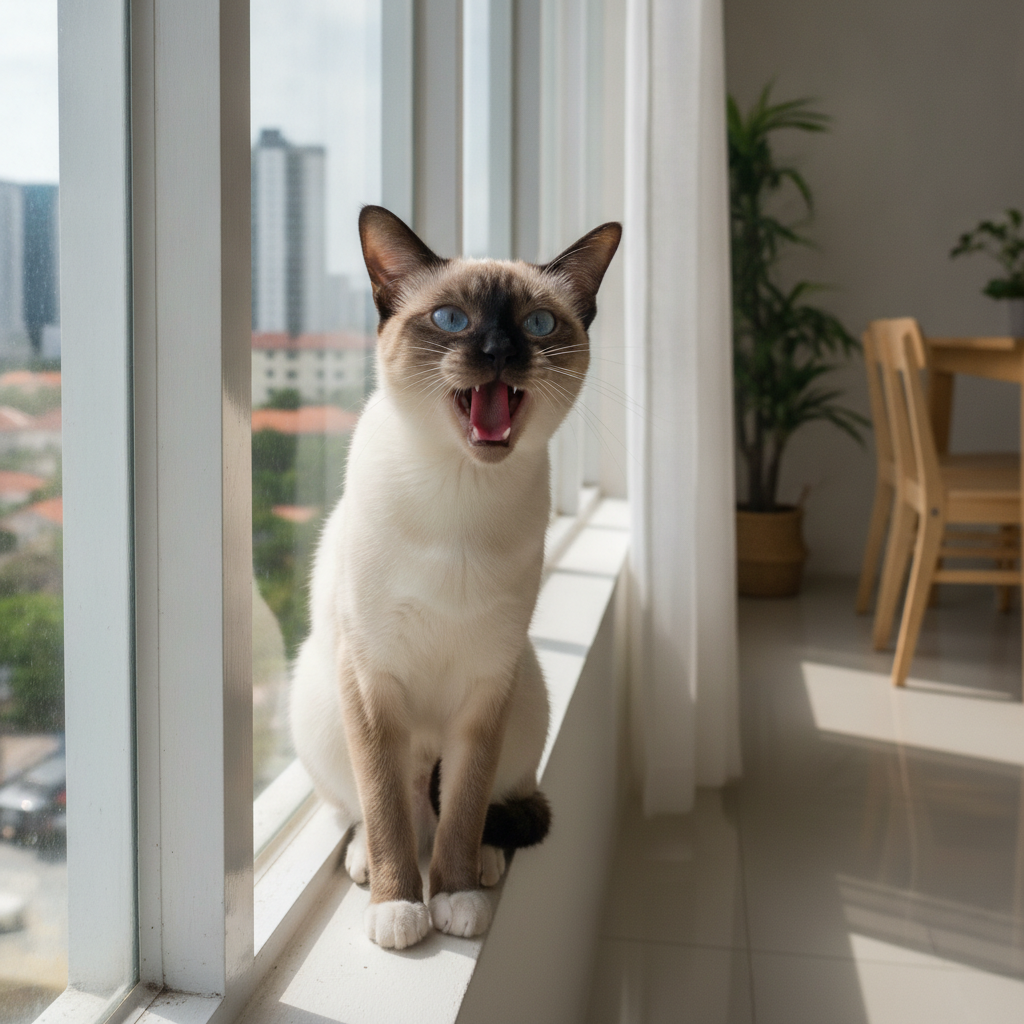
A quick word on that famous look: the Siamese's cream body with darker "points" on the face, ears, paws and tail comes from a temperature-sensitive enzyme — the cooler extremities grow darker fur, the warmer torso stays pale. It's why Siamese raised in cooler, air-conditioned homes often develop richer point colour than those kept warm, and why kittens are born almost white and "colour up" as they grow. Paired with those piercing blue almond eyes, it's one of the most recognisable coats in the cat world.
Often described as "dog-like" for their loyalty and interactivity, Siamese learn fast, solve problems, play fetch, and will happily open your cabinets. If you want an affectionate, engaged, almost canine companion, they're magic. If you want a quiet, low-key, independent cat — this is emphatically not your breed, and it's far kinder to both of you to choose differently.
The 'Velcro Cat': Why They Can't Be Left Alone
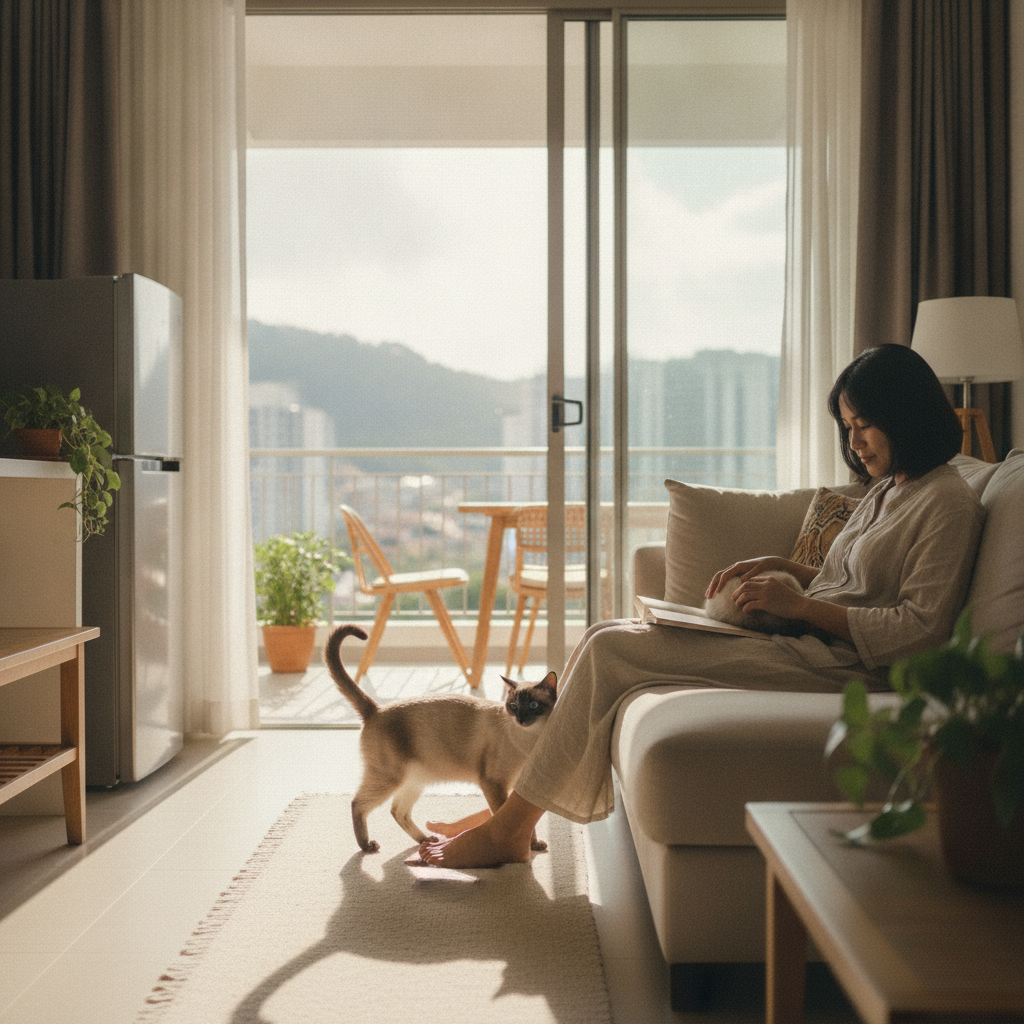
This is the deal-breaker, so be honest with yourself about it. The Siamese is the definition of a "velcro cat" — it wants to be with you, on you, and involved in everything you do, following its favourite person from room to room. As breed profiles like PetMD note, they bond intensely and crave constant interaction. Some are so socially dependent they'll refuse to eat unless someone is in the room.
The flip side is that they do not cope with being left alone all day. With the average Malaysian work week around 44 hours, a Siamese left solo for long stretches is at real risk of separation anxiety — leading to excessive vocalising, over-grooming, destructive behaviour, or a stressed, depressed cat. The breed shines in busy, multi-generational Malaysian households where someone is usually home. For a single working owner, the honest advice is simple: only get a Siamese if you can commit to a companion pet to keep it company. Our guides on cat separation anxiety and (if you'll add a dog) cats and dogs living together are essential reading before you commit.
The Vocal 'Meezer' in a Condo
The Siamese's most famous trait is its voice. That distinctive, persistent meow — owners affectionately call it the "meezer" — is a constant running commentary as the cat "talks" to demand food, attention, or just conversation. Testimonials describe it as sounding like a crying baby or even a "man-scream," and one rescued Siamese kitten reportedly screamed when left alone for just 20 minutes.
In Malaysia's high-rise living, that chattiness is a genuine practical consideration. Sound travels easily between condo units, and while Malaysian strata management rules generally permit cats, they're conditional on pets not causing a nuisance to neighbours. A Siamese yowling at 3am because it's lonely is exactly the kind of thing a neighbour might complain about. The fix isn't to suppress the cat — the chatter is a feature of the breed, not misbehaviour — but to meet its social and mental needs so it's content rather than protesting. A happy Siamese still talks; a neglected one screams.
Keeping a Feline Genius Busy
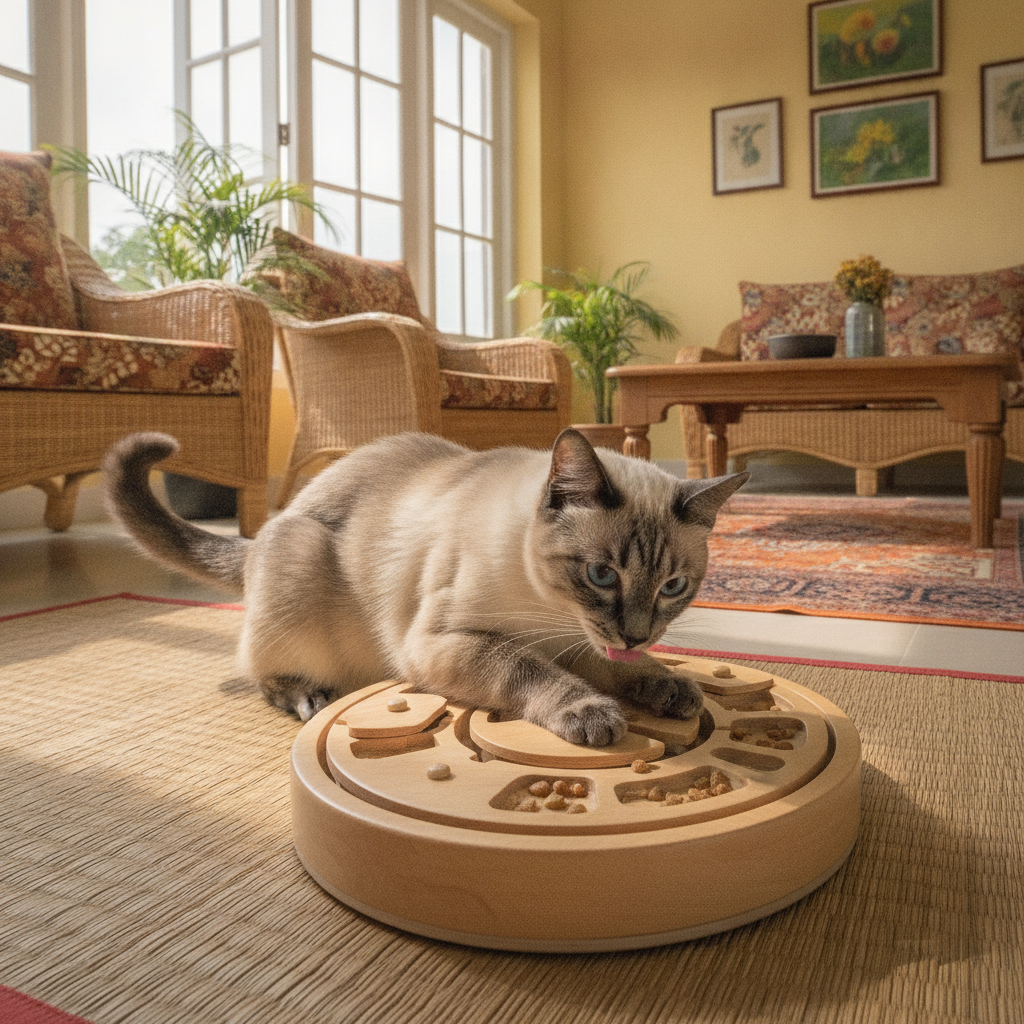
A Siamese's intelligence is a gift and a liability. Under-stimulate one and it will invent its own entertainment — unravelling prayer mats, opening doors, finding routes onto a high-rise balcony, or redecorating your living room. Channelled well, that same brain makes for a delightful, trainable companion.
Give it real mental work every day: interactive wand-play sessions, puzzle feeders that make it work for food, and vertical territory via cat trees and shelves. Many owners find teaching their Siamese to play fetch burns off mental and physical energy beautifully. Rotate toys to keep novelty high. Our indoor cat enrichment guide is tailor-made for keeping a clever cat busy in a Malaysian condo — and for a Siamese, enrichment isn't a nice-to-have, it's preventive behaviour care.
Built for the Tropics: Climate and Cooling
Here's the good news for tropical living: the Siamese is genuinely one of the more climate-appropriate pedigrees you can keep here. Its fine, sleek, short single coat — which Royal Canin describes as wash-and-wear — allows efficient air circulation and lets the cat cool itself through grooming far better than a fluffy breed. Its longer muzzle means no flat-faced breathing trouble either. Counter-intuitively, vets advise against shaving a short-coated cat; regular brushing is better, removing loose fur and promoting the airflow that aids natural thermoregulation.
Don't get complacent, though. A cat's normal body temperature is 38–39°C, and heatstroke — a life-threatening emergency — can set in above 40°C. Provide cool, shaded, well-ventilated indoor spots (tile floors, fans, air-conditioning), close the curtains during the hottest hours, and keep strenuous play to cooler mornings and evenings. Hydration is critical: offer multiple water stations and include wet food to boost moisture intake — our guide on getting your cat to drink enough water has the tactics. If you ever see panting, restlessness or frantic grooming, move the cat to a cool space, dampen its paws and body, and get to a vet.
Diet, Health and Lifespan
Siamese are lean, muscular and high-energy, so feed a diet built on quality animal protein — look for a named meat or fish as the first ingredient and a crude protein content of 35% or higher. A mix of wet and dry food works well (wet for hydration, dry for teeth). Royal Canin even makes a Siamese-specific kibble shaped for the breed's narrow muzzle; plenty of quality imported and local Malaysian foods meet the protein mark too — ask your vet to match the diet to your cat's age and budget.
On health, the Siamese is wonderfully long-lived — often 15–20 years — but budget for a few breed-specific risks. They're predisposed to respiratory infections (treatment can run RM100–1,000+), dental disease (professional cleaning RM300–700; dental disease is one of the most common feline problems), and the inherited eye condition Progressive Retinal Atrophy (PRA), which International Cat Care notes causes gradual vision loss. A good breeder will be open about these and screen accordingly. See how the Siamese's lifespan compares in our cat lifespan by breed guide.
Litter, Grooming and Daily Care
Grooming is easy — a weekly brush keeps that sleek coat gleaming and supports cooling, and there's no daily de-matting battle. The bigger daily job is mental and social engagement, covered above.
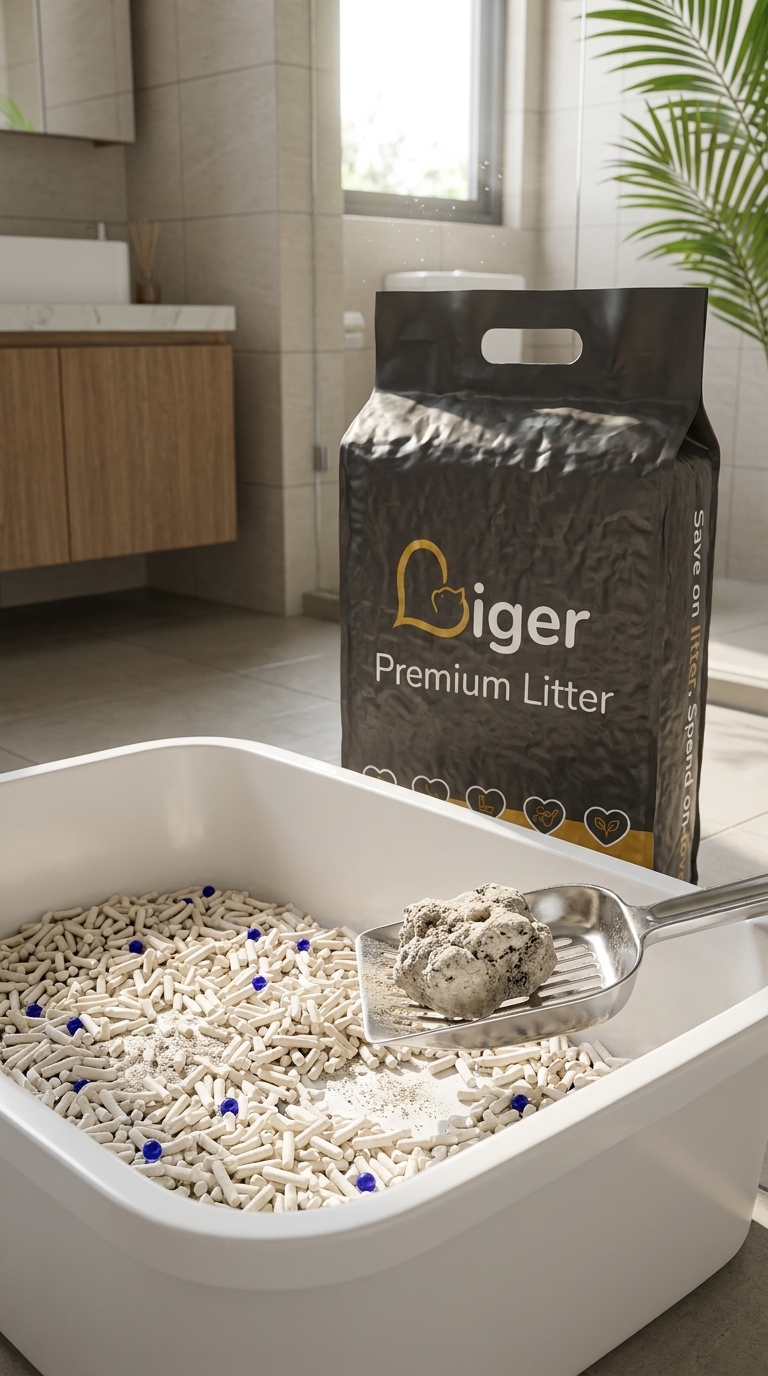
Litter care is straightforward, but this clean, fastidious breed rewards two habits. First, keep the box spotless — a picky Siamese may protest (loudly) about a dirty tray, or stop using it altogether. Second, use a low-dust, firmly-clumping litter so scooping is quick and the breed's dust-sensitive respiratory tract isn't irritated. A natural tofu litter like Liger Premium Tofu Cat Litter fits the bill — very low dust, tight clumps, and easy daily cleanup. Watching the clumps each day also lets you spot urinary or health changes early — a small habit that catches problems before they become expensive emergencies. Being plant-based, a tofu litter is also gentler if your meticulous self-groomer ingests a stray granule. Size your household's monthly need with our litter calculator.
Price and Buying in Malaysia (2026)
Good news for budgets: the Siamese is one of the more affordable pedigrees, with 2026 prices from reputable breeders around RM800–3,000. Remember the ongoing costs matter more for this social breed — initial setup runs roughly RM257–917, and monthly food and supplies RM45–340 depending on whether you choose local or premium imported brands, plus ideally a companion pet.
Buy responsibly: meet the kitten, ask about PRA and general health screening, check for clear eyes and easy breathing, and never take a kitten under 12 weeks. For how the Siamese compares on price and lifelong cost, see our cat breed price guide for Malaysia. Give a Siamese company, conversation, and a stimulating home, and you'll have the most engaged, talkative companion in the cat world for up to two decades. Still deciding? Browse the full Malaysia cat breeds guide.